Wearable Tech in Healthcare: Data Integration for US Providers 2026

Anúncios
The healthcare industry stands on the precipice of a technological revolution, and at its heart lies the pervasive influence of wearable technology. As we look towards 2026, the integration of data from these personal health devices into mainstream healthcare systems is no longer a futuristic concept but a rapidly approaching reality. For US healthcare providers, understanding the nuances of this integration is paramount to delivering cutting-edge, patient-centric care. This comprehensive article aims to provide educational insights into the transformative role of wearable tech healthcare data integration, exploring the opportunities, challenges, and strategic approaches necessary for success.
The ubiquity of wearable devices, from smartwatches tracking activity levels and heart rates to sophisticated patches monitoring glucose and sleep patterns, has generated an unprecedented volume of personal health data. This data, when properly harnessed, holds immense potential to shift healthcare from a reactive, episodic model to a proactive, preventive, and continuous care paradigm. However, realizing this potential requires a robust framework for seamless data integration, ensuring accuracy, security, and actionable insights for clinical decision-making. The journey towards this integrated future is complex, demanding a concerted effort from technology developers, healthcare institutions, policymakers, and individual providers.
Anúncios
Anúncios
The sheer volume and diversity of data generated by wearable devices present both a blessing and a curse. While offering a holistic view of a patient’s health outside the clinical setting, the challenge lies in filtering, validating, and integrating this data into existing electronic health record (EHR) systems without overwhelming providers or compromising patient privacy. The goal is not just to collect data, but to transform it into meaningful information that empowers providers to make more informed decisions, personalize treatment plans, and ultimately improve patient outcomes. This article will delve into these critical aspects, offering a roadmap for US providers navigating the evolving landscape of wearable tech healthcare data integration in 2026.
The Rise of Wearable Tech in Healthcare: A 2026 Perspective
The adoption of wearable technology in healthcare has seen an exponential rise, driven by advancements in sensor technology, miniaturization, and increased consumer health awareness. By 2026, these devices are projected to be an indispensable part of many individuals’ daily lives, collecting a continuous stream of physiological and behavioral data. This data includes, but is not limited to, heart rate, sleep quality, activity levels, oxygen saturation, temperature, and in more advanced devices, even ECG readings and blood pressure. The shift from episodic clinical measurements to continuous, real-time monitoring offers an unprecedented opportunity for early disease detection, chronic condition management, and personalized health interventions.
For US healthcare providers, this means a significant expansion of the patient data landscape. Instead of relying solely on periodic check-ups and patient-reported symptoms, providers will have access to longitudinal data sets that offer a more complete and accurate picture of a patient’s health trajectory. This continuous monitoring can help identify subtle changes that might indicate the onset of a condition, allow for timely interventions, and reduce the frequency of acute care episodes. The potential for proactive healthcare, driven by wearable tech healthcare data, is immense.
Moreover, the integration of wearables extends beyond just monitoring. Devices are increasingly being developed for therapeutic purposes, such as smart inhalers for asthma management, vibrating patches for pain relief, and even ingestible sensors for medication adherence. These innovations blur the lines between diagnostic tools and treatment modalities, further emphasizing the need for robust data integration strategies. As the market for medical-grade wearables expands, US providers must be prepared to incorporate these devices and their data into their clinical workflows, ensuring that the benefits of this technology are fully realized for their patients.
The regulatory landscape is also evolving to accommodate these advancements. The FDA has already approved several medical-grade wearables, signaling a growing acceptance and validation of their clinical utility. This regulatory clarity will further accelerate the adoption of wearable tech healthcare solutions, making it imperative for providers to stay informed and adapt their practices accordingly. The future of healthcare in 2026 will undoubtedly be defined by the intelligent use of data from these pervasive personal health technologies.
Challenges in Data Integration for US Providers
While the promise of wearable tech healthcare is compelling, the path to seamless data integration is fraught with challenges. US healthcare providers face several significant hurdles that must be addressed to unlock the full potential of these devices. One of the primary challenges is the sheer volume and heterogeneity of data generated. Wearables from different manufacturers often use proprietary formats and communication protocols, making it difficult to aggregate and standardize data for use within a unified EHR system.
Another major concern is data accuracy and reliability. While many consumer-grade wearables offer valuable insights, their clinical validation can vary. Providers need to be able to distinguish between data from FDA-approved medical devices and that from consumer gadgets, understanding the limitations and potential biases of each. Integrating unreliable data can lead to misdiagnoses, inappropriate treatments, and erode trust in the technology. Establishing clear guidelines and validation processes for wearable data is crucial.
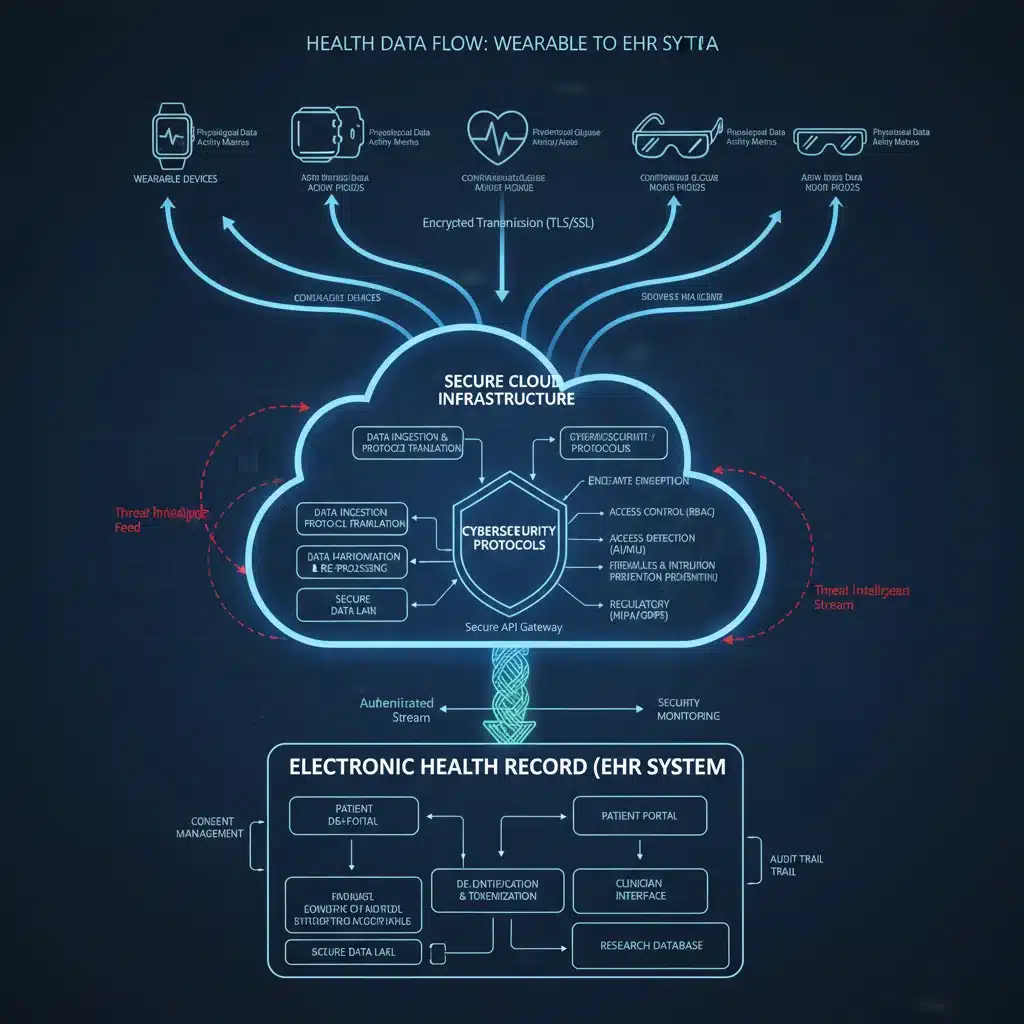
Security and privacy are paramount. Healthcare data is highly sensitive, and the integration of wearable data introduces new vulnerabilities. Protecting patient information from breaches, ensuring compliance with HIPAA regulations, and maintaining patient trust are non-negotiable. This requires robust cybersecurity infrastructure, stringent data encryption protocols, and clear policies regarding data ownership and consent. Providers must educate themselves and their patients on the security measures in place to safeguard their health data.
Furthermore, the interoperability of systems remains a significant hurdle. Many existing EHR systems were not designed to handle the continuous, real-time data streams characteristic of wearables. Integrating this data requires significant investment in IT infrastructure, software upgrades, and the development of standardized APIs (Application Programming Interfaces) to facilitate seamless data exchange between devices, health apps, and EHRs. The lack of universal standards for data exchange continues to impede widespread integration, creating silos of information that limit its utility.
Finally, the workflow burden on providers is a critical consideration. Without proper integration and intelligent filtering, the influx of data from wearables can lead to information overload, increasing administrative tasks and potentially contributing to provider burnout. The goal of wearable tech healthcare is to augment, not replace, clinical judgment, providing actionable insights rather than raw data dumps. This necessitates smart algorithms and user-friendly interfaces that present relevant information in a digestible format, enabling efficient clinical decision-making.
Strategies for Effective Wearable Data Integration
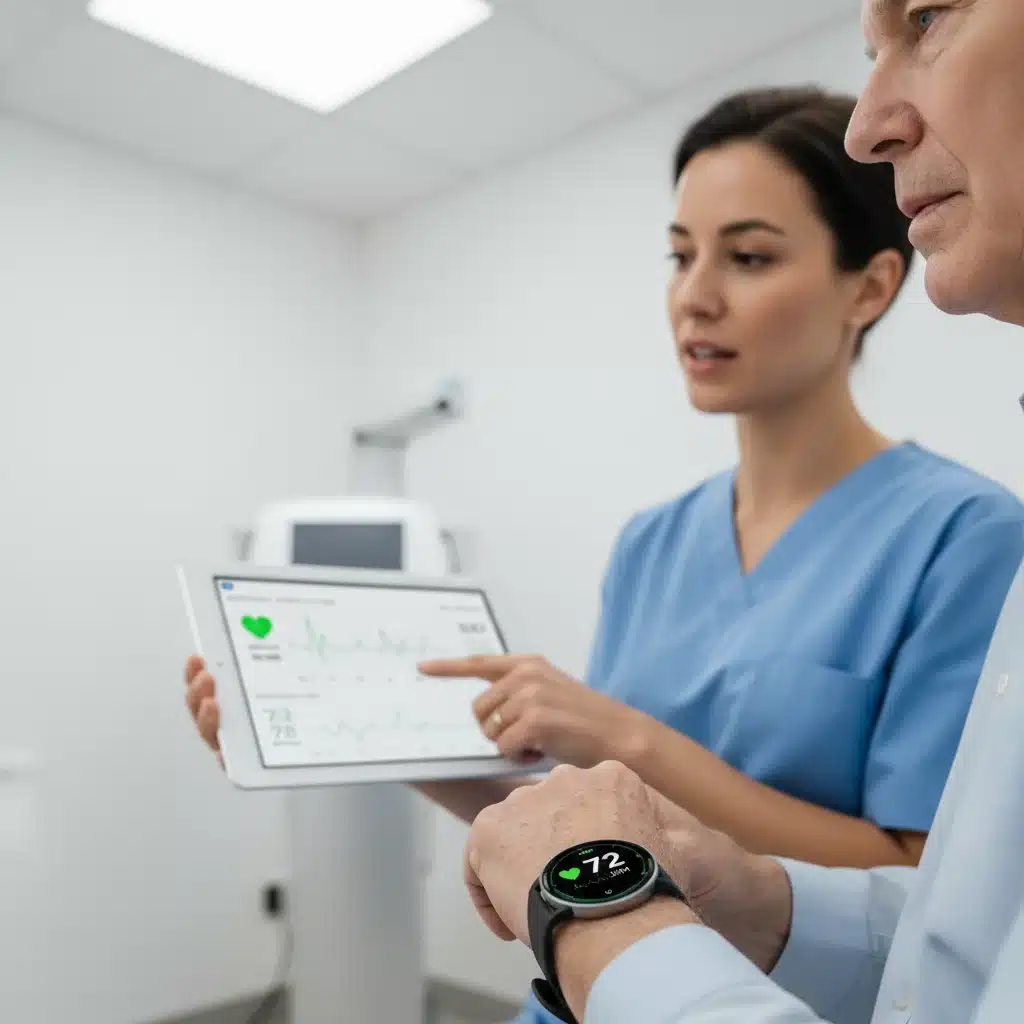
Overcoming the challenges of wearable data integration requires a multi-faceted strategic approach from US healthcare providers. The cornerstone of effective integration lies in establishing clear data governance policies. This includes defining what data will be collected, how it will be stored, who has access to it, and how it will be used in clinical practice. Standardizing data collection and formatting across different devices and platforms is also crucial. Initiatives like Fast Healthcare Interoperability Resources (FHIR) are promising in this regard, offering a standardized way to exchange healthcare information electronically.
Investing in interoperable technology is another key strategy. Providers should prioritize EHR systems and health IT solutions that are designed with open APIs and support integration with a wide range of third-party devices and applications. Cloud-based platforms can also facilitate data aggregation and provide scalability for handling large volumes of wearable data. The focus should be on creating a unified patient record that incorporates both traditional clinical data and continuous biometric data from wearables, offering a truly holistic view of patient health.
Establishing robust data validation and quality control processes is essential. Providers need to implement protocols for verifying the accuracy of wearable data, especially for critical health metrics. This might involve cross-referencing wearable data with clinical measurements or utilizing AI-powered algorithms to detect anomalies and potential errors. Educating both providers and patients on the capabilities and limitations of specific wearable devices will also contribute to more informed data interpretation.
Prioritizing patient engagement and education is also vital. Patients are more likely to adopt and consistently use wearable devices if they understand the benefits and how their data will be used to improve their health. Providers should actively involve patients in the data collection process, explaining how the information from their wearables contributes to their care plan and empowers them in managing their own health. Obtaining informed consent for data sharing and usage is a non-negotiable ethical and legal requirement.
Finally, developing clinical workflows that seamlessly incorporate wearable data is critical to prevent information overload. This involves designing intelligent dashboards that highlight relevant trends and alerts, leveraging AI and machine learning to identify actionable insights, and training staff on how to efficiently interpret and utilize wearable data. The goal is to transform raw data into clinically meaningful information that supports efficient and effective patient care, rather than adding to the administrative burden of healthcare professionals. By strategically integrating wearable tech healthcare data, providers can enhance their diagnostic capabilities, personalize treatment, and empower patients in their health journey.
The Role of AI and Machine Learning in Wearable Data Integration
The sheer volume and complexity of data generated by wearable tech healthcare devices make manual analysis impractical, if not impossible. This is where artificial intelligence (AI) and machine learning (ML) become indispensable tools. AI and ML algorithms can process vast datasets, identify patterns, detect anomalies, and extract actionable insights that would otherwise be missed by human observation. For US providers, these technologies are crucial for transforming raw wearable data into intelligent, clinically relevant information.
One of the primary applications of AI in wearable data integration is predictive analytics. By analyzing historical data from wearables, EHRs, and other sources, ML models can predict the likelihood of disease onset, exacerbations of chronic conditions, or adverse health events. For example, continuous heart rate variability data, combined with sleep patterns and activity levels, could be analyzed by AI to predict the risk of a cardiovascular event or a decline in mental health, allowing for proactive interventions. This shift from reactive to predictive care is a cornerstone of future healthcare delivery.
AI can also play a significant role in data validation and anomaly detection. Given the variability in data quality from different wearables, ML algorithms can be trained to identify erroneous readings, sensor malfunctions, or inconsistencies that might indicate data integrity issues. This ensures that providers are working with reliable information, enhancing confidence in the insights derived from wearable devices. Furthermore, AI can help filter out irrelevant noise, presenting only the most critical data points to clinicians, thereby reducing information overload.
Moreover, personalized medicine stands to benefit immensely from AI-driven analysis of wearable data. By understanding an individual’s unique physiological responses, behavioral patterns, and health trends, AI can help tailor treatment plans, medication dosages, and lifestyle recommendations. For instance, an AI model could analyze a patient’s activity levels and sleep quality from their wearable to optimize their medication schedule for diabetes or hypertension, leading to better therapeutic outcomes. This level of personalization is difficult to achieve with traditional, generalized healthcare approaches.
The integration of AI and ML also extends to improving interoperability. AI can help in standardizing disparate data formats from various wearable devices, translating them into a common language that can be understood by EHR systems. Natural Language Processing (NLP), a subfield of AI, can also be used to extract meaningful information from unstructured data, such as patient notes or self-reported symptoms, and combine it with structured wearable data for a more comprehensive patient profile. As we approach 2026, the synergy between wearable tech healthcare and AI will be a driving force behind intelligent, efficient, and personalized patient care.
Ethical and Regulatory Considerations in Wearable Data
As wearable tech healthcare data becomes more integrated into clinical practice, a host of ethical and regulatory considerations come to the forefront. US providers must navigate these complex issues to ensure patient trust, maintain compliance, and uphold professional standards. Central to these considerations is patient privacy. The continuous collection of highly personal health data raises concerns about who owns the data, who can access it, and how it is used beyond direct patient care. Robust consent mechanisms are essential, ensuring patients fully understand and agree to the terms of data collection and sharing.
Data security, as mentioned earlier, is a critical regulatory and ethical imperative. Compliance with HIPAA (Health Insurance Portability and Accountability Act) is non-negotiable for protected health information (PHI). This means implementing advanced encryption, secure data storage, and strict access controls. Providers must also consider the security implications of third-party apps and platforms that integrate with wearables, ensuring that any data shared externally adheres to the same stringent security standards. Regular security audits and vulnerability assessments are vital to protect against evolving cyber threats.
Another ethical concern revolves around data bias and algorithmic fairness. AI algorithms trained on unrepresentative datasets can perpetuate or even amplify existing health disparities. For example, if a wearable device or its associated AI is primarily validated on a specific demographic, its efficacy and accuracy might be compromised for other populations. Providers must be aware of these potential biases and advocate for equitable development and deployment of wearable tech healthcare solutions, ensuring that all patients benefit fairly from these innovations.
The issue of liability also arises. If a diagnostic or treatment decision is made based on data from a wearable device, and that decision leads to an adverse outcome, who is held responsible? Is it the device manufacturer, the software developer, the healthcare provider, or a combination? Clear legal frameworks and professional guidelines are needed to address these complex liability questions. As wearable tech healthcare becomes more integral to clinical practice, the lines of responsibility will need to be clearly defined to protect both patients and providers.
Finally, the potential for digital divide is an important ethical consideration. Not all patients have access to or the technical literacy to effectively use wearable devices. This could exacerbate health inequalities, leaving vulnerable populations behind. Providers must consider strategies to ensure equitable access to these technologies and provide adequate support and education to all patients, regardless of their socioeconomic status or digital proficiency. Addressing these ethical and regulatory challenges proactively will be crucial for the successful and responsible integration of wearable technology into US healthcare by 2026.
Future Outlook: Wearable Tech in US Healthcare by 2026
Looking ahead to 2026, the future of wearable tech healthcare in the US is bright with transformative potential. We can anticipate several key developments that will further solidify the role of these devices in patient care. One major trend will be the increasing sophistication and miniaturization of sensors, allowing for the monitoring of a wider range of physiological parameters with greater accuracy and less invasiveness. Imagine smart fabrics seamlessly integrated with sensors that monitor vital signs without the need for conscious device wearing.
The regulatory landscape is also expected to mature, with clearer guidelines for the clinical validation, data security, and interoperability of medical-grade wearables. This will provide greater confidence for both providers and patients in the reliability and safety of these technologies, accelerating their adoption in mainstream healthcare. The FDA’s ongoing efforts to streamline the approval process for digital health tools will be instrumental in this evolution.
Furthermore, the integration of wearable data with other health data sources, such as genomics, proteomics, and environmental data, will create a truly holistic and personalized health profile for each patient. This comprehensive data ecosystem, powered by AI and advanced analytics, will enable precision medicine at an unprecedented scale, allowing for highly individualized prevention, diagnosis, and treatment strategies. The concept of a ‘digital twin’ of a patient, constantly updated with real-time wearable data, could become a reality, offering a powerful tool for simulating treatment outcomes.
The role of remote patient monitoring (RPM) will expand significantly, driven by wearable tech healthcare. For chronic disease management, post-operative care, and elderly care, RPM will become a standard of practice, allowing providers to continuously monitor patients outside the clinic, intervene proactively, and reduce hospital readmissions. This will not only improve patient outcomes but also contribute to a more efficient and cost-effective healthcare system.
Finally, patient empowerment will be a central theme. As individuals gain more access to their own health data through user-friendly dashboards and applications, they will become more active participants in their healthcare journey. This shared decision-making model, supported by insights from wearables, will foster greater adherence to treatment plans and promote healthier lifestyle choices. The evolution of wearable tech healthcare in 2026 promises a future where health is continuously monitored, care is personalized, and patients are empowered, leading to a healthier and more resilient US population.
Best Practices for Providers Integrating Wearable Data
For US healthcare providers to successfully integrate wearable tech healthcare data into their practices by 2026, adopting a set of best practices is crucial. These practices will help navigate the complexities and maximize the benefits of this evolving technology. Firstly, start small and scale up. Instead of attempting a broad integration across all patient populations and wearable types, begin with pilot programs targeting specific patient groups or conditions where the impact of continuous monitoring is most evident, such as diabetes management or post-cardiac event recovery. This allows for learning, refinement, and gradual expansion.
Secondly, prioritize interoperability and open standards. When selecting wearable devices, health apps, and EHR systems, choose those that support open APIs and adhere to industry standards like FHIR. This minimizes the risk of vendor lock-in and ensures that data can flow seamlessly between different platforms, creating a cohesive digital health ecosystem. Advocate for vendors to prioritize interoperability in their product development.
Thirdly, invest in staff training and education. Healthcare professionals at all levels – from front-desk staff to physicians – need to be educated on the capabilities and limitations of wearable devices, how to interpret the data, and the ethical considerations involved. Training should cover technical aspects of device usage, data security protocols, and effective communication strategies for discussing wearable data with patients. Continuous professional development in digital health will be paramount.
Fourthly, establish clear clinical pathways and protocols for wearable data. Define when and how wearable data will be reviewed, what thresholds trigger alerts or interventions, and how this data will inform diagnostic and treatment decisions. These protocols should be integrated into existing clinical workflows to avoid additional burdens and ensure that the data is acted upon appropriately. Leveraging AI-powered alert systems can help streamline this process, flagging only critical deviations.
Fifthly, maintain a strong focus on patient engagement and education. Provide patients with clear instructions on how to use their wearables, explain the purpose of data collection, and discuss how the data will contribute to their care plan. Offer support and resources for patients who may struggle with technology. Empowering patients to understand and utilize their own health data fosters a collaborative approach to health management, enhancing adherence and overall outcomes. Transparent communication builds trust, which is fundamental to successful wearable tech healthcare integration.
Finally, regularly evaluate and adapt your integration strategy. The field of wearable technology is rapidly evolving, with new devices, algorithms, and integration methods emerging constantly. Providers should commit to continuous evaluation of their chosen solutions, seeking feedback from both patients and staff, and being prepared to adapt their strategies to incorporate new advancements and address emergent challenges. By adhering to these best practices, US healthcare providers can effectively harness the power of wearable tech healthcare data to deliver superior, more personalized, and proactive patient care in 2026 and beyond.
Author