Telehealth Certification: Essential Education for U.S. Providers

Anúncios
Navigating Telehealth Certification: Educational Requirements for U.S. Providers in the Next 12 Months
The landscape of healthcare is undergoing a profound transformation, with telehealth emerging as a cornerstone of modern medical practice. As technology continues to bridge geographical divides and enhance access to care, U.S. healthcare providers are increasingly integrating virtual services into their daily routines. However, this evolution comes with a critical need for standardized knowledge and competency, making Telehealth Certification Requirements a paramount concern for professionals across all disciplines. Over the next 12 months, understanding and fulfilling these educational prerequisites will not just be beneficial but essential for maintaining compliance, ensuring quality care, and expanding practice opportunities.
This comprehensive guide delves into the current and anticipated educational demands for telehealth certification in the United States. We will explore the various pathways to certification, the core competencies required, and the regulatory environment shaping these standards. Our aim is to equip U.S. providers with the insights needed to navigate this dynamic field effectively, ensuring they are well-prepared for the future of digital health.
Anúncios
Anúncios
The Rise of Telehealth: A New Era in Healthcare Delivery
Telehealth, encompassing a broad range of technologies and services to provide care at a distance, has rapidly transitioned from a niche service to a mainstream component of healthcare delivery. The COVID-19 pandemic accelerated its adoption, revealing its immense potential for continuity of care, chronic disease management, and addressing health disparities. This surge has, in turn, highlighted the importance of specialized training to ensure providers can leverage these tools safely, effectively, and ethically. The emphasis on Telehealth Certification Requirements reflects a commitment to upholding high standards of care in a virtual environment.
For U.S. providers, this means a shift in professional development priorities. While foundational medical training remains indispensable, the nuances of virtual consultations, remote patient monitoring, and digital health platforms necessitate additional expertise. Certification programs are designed to fill this gap, offering structured education that covers the unique challenges and opportunities presented by telehealth.
Why Telehealth Certification Matters Now More Than Ever
Certification in telehealth is more than just a credential; it’s a testament to a provider’s commitment to excellence in digital health. Here’s why it’s gaining such significant traction:
- Enhanced Patient Safety and Quality of Care: Proper training ensures providers understand how to conduct virtual examinations, interpret remote data, and manage patient expectations in a digital setting, reducing risks and improving outcomes.
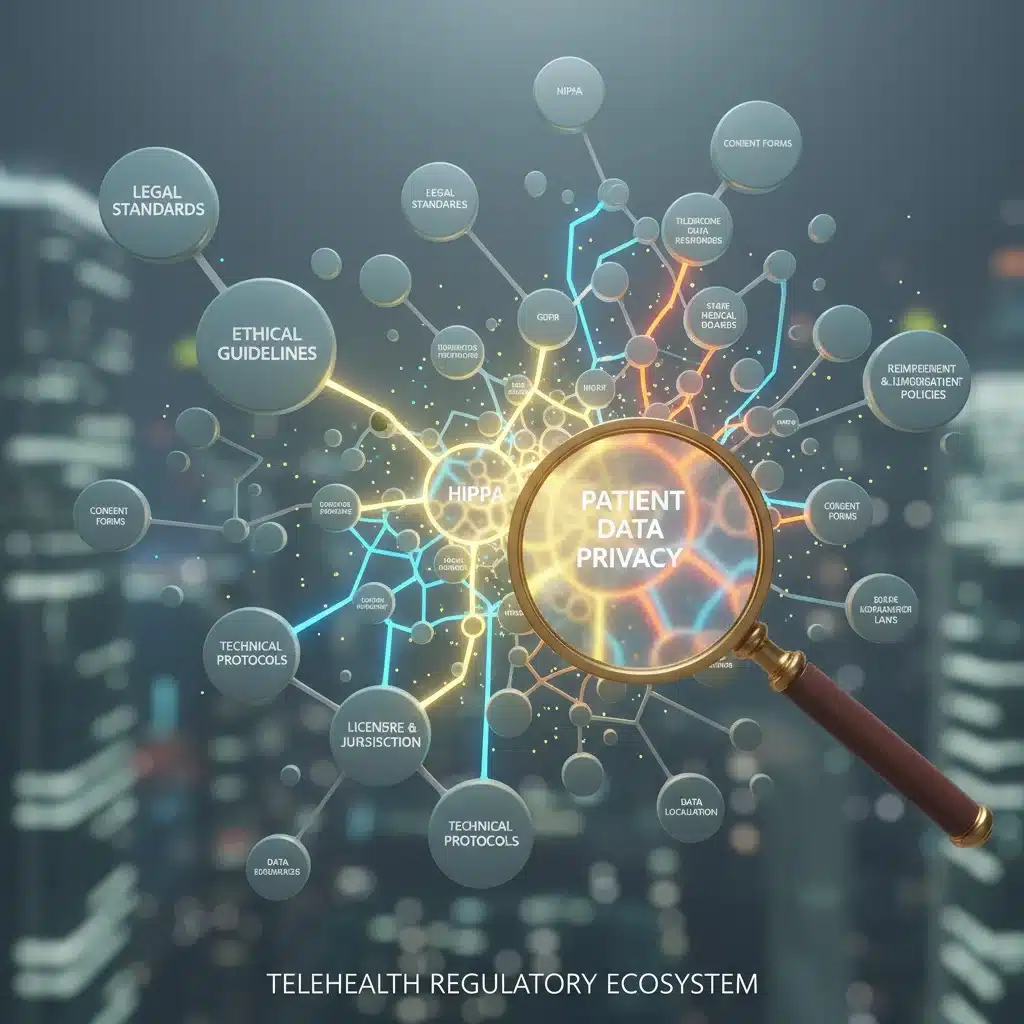
- Regulatory Compliance: The legal and ethical landscape of telehealth is complex and constantly evolving. Certification often covers crucial aspects like privacy (HIPAA), interstate licensing, and reimbursement policies, helping providers avoid legal pitfalls. Adhering to Telehealth Certification Requirements is key to lawful practice.
- Professional Credibility and Marketability: As telehealth becomes more ubiquitous, certified providers stand out. Certification signals a specialized skill set, making professionals more attractive to employers and patients seeking competent virtual care.
- Improved Efficiency and Workflow: Training often includes best practices for utilizing telehealth technologies, leading to more efficient workflows, reduced administrative burdens, and better integration into existing healthcare systems.
- Addressing Health Disparities: Telehealth has the power to reach underserved populations. Certified providers are better equipped to leverage this potential, ensuring equitable access to quality care for all.
Key Educational Components for Telehealth Certification
While specific curricula may vary between certifying bodies, several core areas consistently form the foundation of Telehealth Certification Requirements. U.S. providers should expect to encounter coursework and training in the following critical domains:
1. Telehealth Modalities and Technologies
Understanding the different ways telehealth can be delivered is fundamental. This includes:
- Synchronous Telehealth: Real-time interactive audio and video (e.g., live video consultations).
- Asynchronous Telehealth (Store-and-Forward): Transmission of recorded health information (e.g., secure messaging, image sharing for dermatological consultations).
- Remote Patient Monitoring (RPM): Use of digital technologies to collect health data from individuals in one location and electronically transmit that information securely to providers in a different location for assessment and recommendations.
- Mobile Health (mHealth): Healthcare practice supported by mobile devices, including health apps and wearable technology.
Providers will learn about the technical requirements, platform functionalities, and best practices for each modality to ensure seamless and effective virtual interactions. This also involves understanding the interoperability of systems and the secure exchange of patient data.
2. Legal and Regulatory Frameworks
This is arguably one of the most complex and rapidly changing aspects of telehealth. Education in this area covers:
- HIPAA and Patient Privacy: Ensuring the confidentiality, integrity, and availability of electronic protected health information (ePHI) in a virtual setting.
- State and Federal Regulations: Navigating the patchwork of state-specific licensing laws, prescribing rules, and federal guidelines (e.g., Medicare/Medicaid policies).
- Interstate Licensure: Understanding compacts and reciprocal agreements that allow providers to practice across state lines.
- Fraud, Waste, and Abuse: Compliance with billing and coding regulations specific to telehealth services.
- Informed Consent: Obtaining and documenting appropriate consent for telehealth services, which may differ from in-person care.
Staying current with these regulations is paramount, and certification programs provide the structured knowledge necessary to remain compliant. The dynamic nature of these laws means continuous learning is essential for all providers meeting Telehealth Certification Requirements.
3. Ethical Considerations and Professionalism
Telehealth introduces unique ethical dilemmas that require careful consideration:
- Boundary Setting: Maintaining professional boundaries in a less formal virtual environment.
- Cultural Competency: Delivering culturally sensitive care remotely, especially when visual cues might be limited.
- Emergency Protocols: Establishing clear procedures for managing emergencies during a virtual visit.
- Patient-Provider Relationship: Fostering trust and rapport without the benefit of physical presence.
- Equity and Access: Addressing digital divides and ensuring telehealth services are accessible to all patients, regardless of socioeconomic status or technological literacy.
Ethical training helps providers navigate these complexities, ensuring patient well-being remains at the forefront of virtual care delivery.

4. Clinical Best Practices in Telehealth
This domain focuses on adapting clinical skills to the virtual environment:
- Virtual Examination Techniques: Learning how to conduct effective history-taking and limited physical examinations remotely.
- Communication Skills: Mastering clear, empathetic, and effective communication through video and audio platforms.
- Documentation: Proper charting and record-keeping for telehealth encounters.
- Patient Selection and Triage: Identifying which patients and conditions are appropriate for telehealth versus in-person care.
- Technology Troubleshooting: Basic skills to address common technical issues during a virtual visit.
These practical skills are crucial for delivering high-quality, patient-centered care through telehealth. They directly contribute to meeting the practical aspects of Telehealth Certification Requirements.
5. Business and Administrative Aspects
For many providers, particularly those in private practice, understanding the business side of telehealth is vital:
- Reimbursement and Billing: Navigating insurance policies, CPT codes, and modifier requirements for telehealth services.
- Practice Integration: Strategically incorporating telehealth into an existing practice or establishing a new virtual practice.
- Marketing and Patient Engagement: Effectively promoting telehealth services and engaging patients in virtual care.
This knowledge ensures the sustainability and growth of telehealth services within a practice.
Major Certifying Bodies and Programs for U.S. Providers
Several organizations offer telehealth certification programs tailored for U.S. healthcare providers. While new programs may emerge, and existing ones evolve, here are some prominent examples that fulfill Telehealth Certification Requirements:
1. The American Telemedicine Association (ATA)
The ATA is a leading organization promoting telehealth. While they primarily focus on advocacy and guidelines, they often collaborate with educational institutions to endorse or develop curricula. Their resources are invaluable for understanding best practices and emerging trends, which can inform any certification pursuit.
2. American Academy of Family Physicians (AAFP) – Telehealth Certificate Program
The AAFP offers a comprehensive certificate program designed for family physicians and other primary care providers. It covers clinical, operational, and regulatory aspects of telehealth. This program is particularly relevant for those looking to integrate virtual care into a broad-based practice.
3. National Consortium of Telehealth Resource Centers (NCTRC)
While not a certifying body itself, the NCTRC provides extensive resources, training, and technical assistance across 12 regional and 2 national telehealth resource centers. They offer webinars, toolkits, and educational materials that can help providers prepare for certification exams or simply enhance their telehealth knowledge. Many certification programs align with the competencies promoted by the NCTRC.
4. Board Certifications (e.g., American Board of Preventive Medicine – Clinical Informatics)
For some physicians, board certification in Clinical Informatics can be highly relevant. While not exclusively telehealth-focused, it encompasses a broader understanding of health information technology, which is foundational to effective telehealth practice. This is a more extensive commitment but offers a deep dive into the technological underpinnings of digital health.
5. University-Based Programs and Continuing Education (CE)
Many universities and medical schools now offer specialized courses, graduate certificates, or even master’s degrees in telehealth, digital health, or health informatics. Additionally, various professional organizations and private companies offer Continuing Medical Education (CME) or Continuing Education (CE) credits specifically for telehealth topics. These can be excellent ways to meet educational requirements and demonstrate competency, often counting towards the overall Telehealth Certification Requirements.
Anticipated Changes in Telehealth Certification Over the Next 12 Months
The telehealth landscape is dynamic, and the next 12 months are likely to bring further refinements to certification standards. U.S. providers should keep an eye on:
- Increased Standardization: As telehealth matures, there will likely be a push for more unified national standards for certification, potentially reducing the current variability across different programs and states.
- Greater Emphasis on Cybersecurity: With increasing cyber threats, certification programs will likely place an even stronger emphasis on advanced cybersecurity protocols, data encryption, and breach prevention specific to telehealth platforms.
- Integration of AI and Advanced Technologies: The role of artificial intelligence, machine learning, and augmented reality in telehealth is growing. Future certifications may include modules on how to ethically and effectively integrate these technologies into practice.
- Specialty-Specific Telehealth Training: We may see a rise in certification programs tailored to specific medical specialties (e.g., tele-psychiatry, tele-dermatology, tele-rehabilitation), addressing the unique clinical needs of each field.
- Outcomes-Based Assessment: Beyond just knowledge acquisition, there might be a greater focus on assessing a provider’s ability to achieve positive patient outcomes through telehealth, possibly through simulated patient encounters or case studies.
Staying informed through professional organizations, regulatory bodies, and industry publications will be crucial for providers planning to meet evolving Telehealth Certification Requirements.
Steps for U.S. Providers to Achieve Telehealth Certification
For U.S. healthcare providers looking to obtain telehealth certification within the next year, here’s a recommended roadmap:
1. Assess Your Current Knowledge and Needs
Begin by evaluating your existing familiarity with telehealth. What are your strengths? Where are your knowledge gaps? This self-assessment will help you identify the most suitable certification program.
2. Research Certification Programs
Explore the various certification options available. Consider the program’s accreditation, curriculum, cost, time commitment, and relevance to your specific practice area. Look for programs that explicitly address U.S. regulatory and legal frameworks.
3. Fulfill Educational Prerequisites
Most certification programs require specific educational modules or a certain number of continuing education hours. This might involve online courses, workshops, webinars, or even hands-on training with telehealth platforms. Ensure the chosen program aligns with the essential Telehealth Certification Requirements.
4. Gain Practical Experience
While not always a formal prerequisite for all certifications, practical experience is invaluable. If possible, integrate telehealth into your current practice, even on a small scale. This hands-on experience will solidify your learning and prepare you for real-world scenarios.
5. Prepare for and Pass the Certification Exam
Many programs culminate in a certification exam. Dedicate time to reviewing the material, practicing with mock exams if available, and understanding the exam format. Success in the exam demonstrates mastery of the required competencies.
6. Maintain Your Certification
Telehealth is a field of continuous innovation and regulatory change. Most certifications require ongoing education or periodic recertification to ensure providers remain current with best practices and evolving standards. Plan for continuous professional development to keep your Telehealth Certification Requirements up-to-date.
The Future of Telehealth and Your Role
Telehealth is not a temporary trend; it is an integral part of the future of healthcare. As technology advances and patient expectations shift, the demand for skilled and certified telehealth providers will only grow. By proactively addressing Telehealth Certification Requirements, U.S. healthcare professionals are not just adapting to change; they are positioning themselves as leaders in a new era of patient-centered, accessible, and efficient care.
The next 12 months present a critical window for providers to invest in their telehealth education and secure the necessary certifications. This investment will not only enhance individual careers but also contribute significantly to the broader mission of improving health outcomes and expanding access to quality care across the nation. Embrace the opportunity to innovate, learn, and lead in the exciting world of digital health.
Conclusion
The journey to telehealth certification for U.S. providers is a strategic imperative in today’s rapidly evolving healthcare landscape. Understanding the core educational components, identifying reputable certifying bodies, and staying abreast of anticipated changes are all crucial steps. By prioritizing Telehealth Certification Requirements, healthcare professionals can ensure they are well-equipped to deliver high-quality, compliant, and compassionate care in the virtual space. The future of healthcare is undeniably digital, and certified providers will be at its forefront, shaping a more connected and accessible health system for all.
Author