Precision Medicine Funding Surges 20% in Early 2025

Anúncios
Venture capital funding for precision medicine startups is projected to increase by 20% in early 2025, reflecting growing investor confidence in personalized healthcare solutions and advanced biotechnologies.
Anúncios
Anúncios
The landscape of healthcare investment is undergoing a significant transformation, with precision medicine funding emerging as a dominant trend. Recent venture capital reports indicate a projected 20% increase in funding for precision medicine startups in early 2025, signaling robust investor confidence and a strategic shift towards personalized healthcare solutions. This surge is not merely a fleeting interest but a reflection of the profound impact these innovations promise for patient care and treatment outcomes.
Understanding the Precision Medicine Revolution
Precision medicine, often referred to as personalized medicine, is an innovative approach to disease treatment and prevention that takes into account individual variability in genes, environment, and lifestyle for each person. This contrasts with a ‘one-size-fits-all’ approach, where treatment strategies are developed for the average patient. The goal is to tailor medical decisions, treatments, practices, or products to the individual characteristics of each patient.
The revolution stems from advancements in genomics, proteomics, and bioinformatics, allowing for a deeper understanding of the molecular underpinnings of diseases. This granular insight enables the development of highly targeted therapies, diagnostics, and preventive measures that are more effective and have fewer side effects than traditional methods. As technology continues to evolve, the capabilities of precision medicine expand, opening new avenues for medical breakthroughs.
Key Drivers of Growth
- Genomic Sequencing Costs: The dramatic reduction in the cost of genomic sequencing has made it more accessible, driving research and clinical applications.
- Big Data Analytics: Advanced analytical tools can process vast amounts of patient data, identifying patterns and biomarkers for personalized treatments.
- AI and Machine Learning: Artificial intelligence is accelerating drug discovery, optimizing clinical trials, and improving diagnostic accuracy in precision medicine.
- Regulatory Support: Government initiatives and regulatory pathways are increasingly supporting the development and approval of personalized therapies.
The convergence of these factors creates a fertile ground for innovation, attracting significant capital. Investors are recognizing the long-term potential of precision medicine to revolutionize healthcare delivery, improve patient outcomes, and generate substantial returns. This foundational shift is what makes the 20% increase in funding so impactful.
Venture Capital’s Growing Appetite for Biotech
Venture capital firms are increasingly looking towards the biotech and healthcare sectors as fertile ground for high-growth investments. The promise of disruptive technologies and solutions that address unmet medical needs is a powerful magnet for capital. Precision medicine, with its potential to transform patient care, stands out as a particularly attractive segment within this broader trend.
Early-stage startups in precision medicine often require substantial capital for research and development, clinical trials, and market entry. Venture capitalists provide this crucial funding, acting as catalysts for innovation. Their investment not only provides financial resources but also brings strategic guidance, industry connections, and expertise, which are invaluable for nascent companies navigating complex scientific and regulatory landscapes.
Factors Attracting VC Investment
- High Growth Potential: The precision medicine market is projected to grow significantly, driven by an aging population and increasing prevalence of chronic diseases.
- Disruptive Innovation: Startups are developing novel therapies and diagnostic tools that can fundamentally change treatment paradigms.
- Strong Intellectual Property: Companies often possess unique patents and proprietary technologies, offering a competitive edge and high barriers to entry.
- Positive Clinical Outcomes: Early successes in personalized treatments for conditions like cancer and rare diseases demonstrate tangible benefits and market viability.
The reported 20% surge in early 2025 funding underscores a heightened confidence among VCs in the scalability and profitability of precision medicine ventures. This isn’t just about financial speculation; it’s about investing in the future of health, where treatments are tailored, effective, and ultimately, more humane. The collaboration between scientific innovation and smart capital is setting the stage for remarkable progress.
The Financial Impact: A 20% Funding Surge Explained
The projected 20% increase in venture capital funding for precision medicine startups in early 2025 represents more than just a numerical uptick; it signifies a robust validation of the sector’s potential. This significant financial injection is expected to have far-reaching implications, accelerating research, development, and commercialization efforts across the precision medicine landscape. It translates into more resources for innovative companies to bring their groundbreaking solutions to market faster.
This surge is not uniformly distributed but often targets specific sub-sectors within precision medicine, such as advanced diagnostics, gene therapies, personalized oncology, and digital health platforms that integrate genomic data. Investors are keenly aware of the areas with the highest potential for impact and return, channeling capital strategically. The competitive nature of this funding also means that only the most promising and well-vetted startups secure these crucial investments.
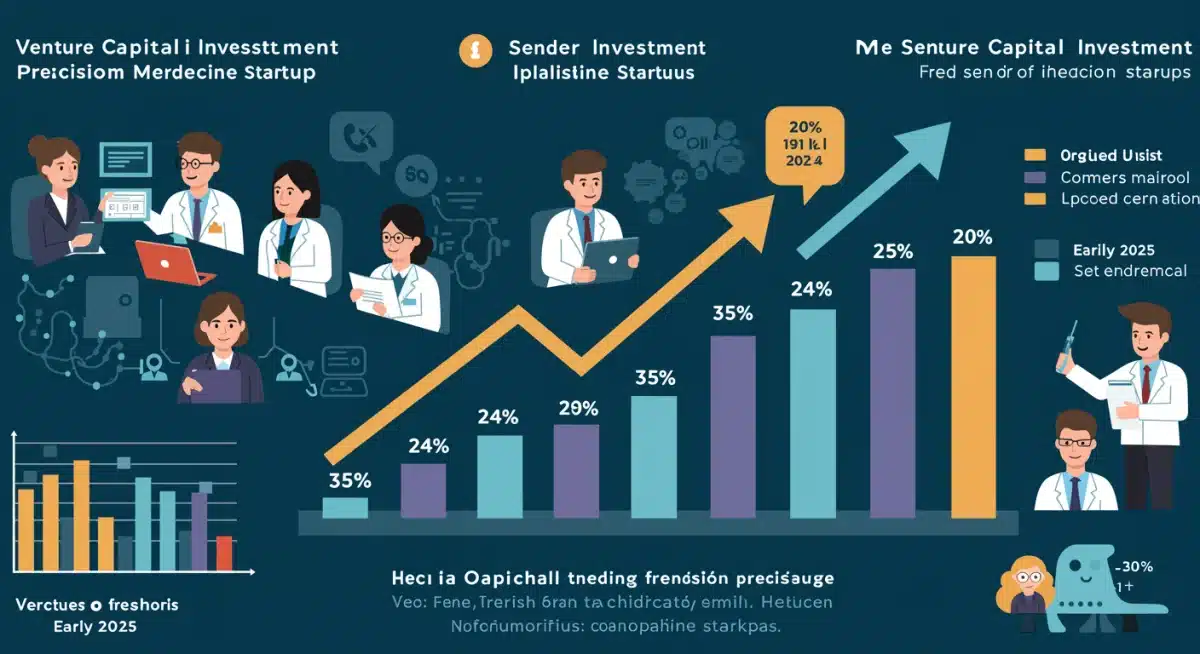
The ripple effect of this increased funding extends beyond the immediate recipients. It fosters a more dynamic and competitive ecosystem, encouraging further innovation and attracting top talent to the field. Larger pharmaceutical companies and established medical device manufacturers also keep a close eye on these trends, often looking for acquisition targets or strategic partnerships among successful startups. This creates a virtuous cycle of investment and growth.
Consequences of Increased Capital Inflow
- Accelerated R&D: More funds mean faster development of new drugs and diagnostic tools.
- Enhanced Clinical Trials: Increased capital can support larger, more comprehensive clinical trials, leading to quicker regulatory approvals.
- Market Expansion: Startups can scale operations and reach a wider patient base with adequate funding.
- Job Creation: Growth in the sector leads to new jobs in science, technology, and business development.
Ultimately, this 20% funding surge is a powerful indicator of the financial community’s belief in precision medicine’s capacity to deliver both significant health improvements and substantial economic value. It positions the sector for a period of intense growth and transformation, impacting everything from drug development pipelines to patient access to cutting-edge treatments.
Key Areas Benefiting from Enhanced Investment
The substantial increase in venture capital funding for precision medicine is not being spread thinly across the entire healthcare spectrum. Instead, investors are strategically targeting specific areas within precision medicine that show the most promise for innovation, market penetration, and significant returns on investment. These targeted investments are designed to accelerate breakthroughs where they can have the greatest impact.
One primary area of focus is personalized oncology. Cancer, with its vast genetic heterogeneity, is particularly well-suited for precision medicine approaches. Funding is flowing into companies developing companion diagnostics, targeted therapies based on specific genetic mutations, and advanced immunotherapies. These innovations promise to deliver more effective treatments with fewer side effects for cancer patients, moving away from broad-spectrum chemotherapy.
Targeted Investment Segments
- Gene and Cell Therapies: Companies working on CRISPR technology, CAR-T cell therapies, and other genetic interventions are attracting significant capital. These therapies offer the potential for one-time cures for previously incurable diseases.
- Advanced Diagnostics: Investment in liquid biopsies, multi-omics platforms, and AI-powered diagnostic tools helps identify diseases earlier and more accurately, guiding personalized treatment plans.
- Digital Health and AI Integration: Platforms that integrate genomic data with electronic health records, wearable device data, and lifestyle information are crucial for delivering personalized care at scale.
- Rare Disease Solutions: Precision medicine offers hope for patients with rare genetic disorders, a segment often overlooked by traditional pharmaceutical development due to small patient populations.
The strategic allocation of this 20% funding increase highlights a clear vision: to support technologies and therapies that offer truly transformative potential. By concentrating resources in these high-impact segments, venture capitalists are not only chasing financial gains but are also actively shaping the future direction of medical innovation, pushing the boundaries of what is possible in patient care.
Challenges and Opportunities in the Evolving Landscape
While the 20% increase in precision medicine funding is undoubtedly a positive development, the sector is not without its challenges. Navigating the complex regulatory landscape, ensuring equitable access to advanced therapies, and managing the high costs associated with personalized treatments remain significant hurdles. Startups must not only innovate scientifically but also develop robust business models that address these systemic issues.
However, these challenges also present unique opportunities for innovation and market differentiation. Companies that can develop cost-effective precision medicine solutions, streamline regulatory processes, and demonstrate clear clinical utility will be exceptionally well-positioned for success. Furthermore, the increasing integration of digital health tools offers a path towards broader accessibility and more efficient delivery of personalized care, potentially overcoming some of the traditional barriers.
Overcoming Obstacles, Seizing Opportunities
- Regulatory Pathways: Developing clear and efficient pathways for approval of novel precision medicine products is crucial.
- Reimbursement Models: Innovative payment models are needed to ensure these costly therapies are accessible to patients and covered by insurance.
- Data Security and Privacy: Robust frameworks for managing sensitive genomic and health data are essential to build patient trust.
- Interoperability: Ensuring different data platforms can communicate effectively is vital for integrated personalized care.
The evolving landscape of precision medicine demands agility and foresight from both startups and investors. The opportunities for significant breakthroughs are immense, but realizing them requires a concerted effort to address the inherent complexities. The increased funding provides the necessary fuel, but strategic execution will determine which ventures successfully navigate these challenges and ultimately bring their life-changing innovations to patients worldwide.
The Future Outlook for Precision Medicine Investment
The 20% surge in venture capital funding for precision medicine startups in early 2025 is a strong indicator of a positive future outlook for the sector. This trend is expected to continue, driven by ongoing scientific advancements, increasing clinical evidence of efficacy, and a growing demand for more personalized and effective healthcare solutions. Investors are recognizing that precision medicine is not just a niche but a fundamental shift in how medicine will be practiced.
Looking ahead, we can anticipate further consolidation in the market, with successful startups attracting larger funding rounds or becoming acquisition targets for pharmaceutical giants. This will lead to an acceleration of product development and wider adoption of precision medicine technologies. The focus will also broaden beyond oncology to other therapeutic areas, such as neurological disorders, autoimmune diseases, and infectious diseases, as our understanding of their molecular basis deepens.
Projected Trends and Growth Areas
- Increased Strategic Partnerships: More collaborations between biotech startups, large pharma, and academic institutions.
- Global Expansion: Precision medicine solutions will increasingly target international markets beyond the US.
- Patient Engagement Platforms: Development of tools that empower patients to understand and participate in their personalized treatment plans.
- Preventive Precision Medicine: Greater emphasis on using genomic data for early disease risk assessment and personalized prevention strategies.
The long-term vision for precision medicine involves a healthcare system where every patient receives treatment tailored to their unique biological makeup. This future is being actively shaped by the significant capital flowing into the sector. The sustained interest from venture capitalists underscores a collective belief in precision medicine’s ability to not only revolutionize healthcare but also to generate substantial economic value, making it a cornerstone of the medical landscape for decades to come.
| Key Aspect | Brief Description |
|---|---|
| Funding Surge | 20% increase in VC funding for precision medicine startups in early 2025. |
| Investment Drivers | Genomic advancements, big data, AI, and regulatory support fuel growth. |
| Key Beneficiaries | Personalized oncology, gene therapies, advanced diagnostics, and digital health. |
| Future Outlook | Continued growth, market consolidation, and broader therapeutic applications. |
Frequently Asked Questions About Precision Medicine Funding
The surge is primarily driven by rapid advancements in genomic sequencing, the power of big data analytics, the integration of artificial intelligence in drug discovery, and increasing regulatory support for personalized therapies. These factors collectively enhance the potential for significant medical breakthroughs and strong investment returns.
Key areas benefiting from enhanced investment include personalized oncology, particularly targeted therapies and diagnostics for cancer; gene and cell therapies like CRISPR; advanced diagnostic tools such as liquid biopsies; and digital health platforms that integrate comprehensive patient data for tailored care delivery.
Despite increased funding, startups face challenges such as navigating complex regulatory approval processes, developing sustainable reimbursement models for high-cost therapies, ensuring equitable access for all patients, and managing stringent data security and privacy requirements for sensitive health information.
Venture capital provides essential seed and growth funding for startups, enabling them to conduct extensive research, develop innovative products, and navigate clinical trials. Beyond capital, VCs often offer strategic guidance, industry connections, and market expertise, accelerating a startup’s journey from concept to commercialization and patient impact.
The long-term outlook is highly positive, with continued growth anticipated due to ongoing scientific advancements and expanding clinical applications. Expect further market consolidation, increased strategic partnerships, global expansion, and a broadening of precision medicine’s focus beyond oncology to other complex diseases, solidifying its role in future healthcare.
Conclusion
The projected 20% increase in venture capital funding for precision medicine startups in early 2025 marks a pivotal moment for personalized healthcare. This substantial investment reflects not only investor confidence in the sector’s financial viability but also a collective acknowledgement of its transformative potential for patient care. As capital continues to flow into innovative diagnostics, therapies, and digital health solutions, precision medicine is poised to redefine medical practice, offering more effective, tailored treatments and ultimately improving global health outcomes. The journey ahead will undoubtedly present challenges, but the robust financial backing ensures that the quest for truly personalized medicine will accelerate with unprecedented momentum.
Author