Staying Ahead: New US Medical Device Approvals Last 3 Months
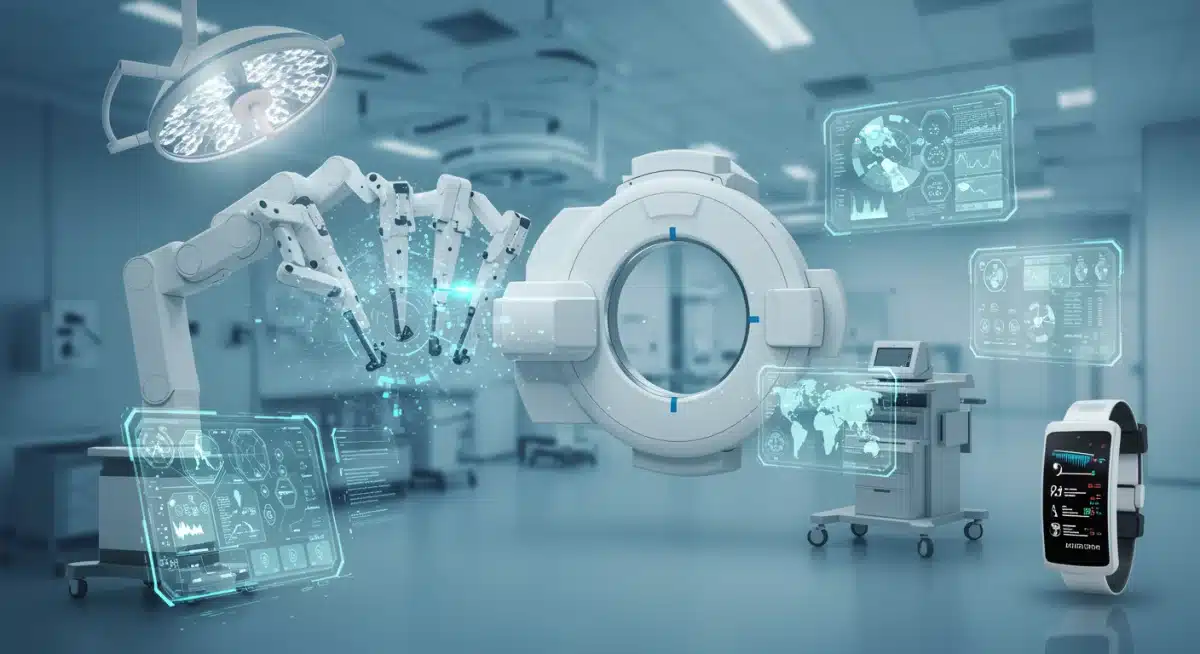
Staying ahead in healthcare requires continuous education on new US medical device approvals, as recent updates from the last three months significantly influence treatment paradigms and patient outcomes.
In the rapidly evolving landscape of healthcare, staying informed about US medical device approvals is not merely beneficial, but absolutely critical. The past three months have seen a wave of innovative devices gain clearance, promising to reshape diagnostic capabilities, treatment modalities, and patient management across various medical specialties. Understanding these recent updates is essential for clinicians, researchers, and industry professionals alike to remain at the forefront of medical advancement.
Understanding the FDA’s Role in Device Approvals
The U.S. Food and Drug Administration (FDA) plays a pivotal role in ensuring the safety and effectiveness of medical devices available to the American public. Its rigorous approval processes are designed to scrutinize new technologies, weighing their potential benefits against any associated risks. This oversight is fundamental to maintaining public trust and fostering responsible innovation within the medical technology sector.
The FDA employs several pathways for device approval, each tailored to the device’s risk level and novelty. For instance, high-risk devices, such as life-sustaining implants, typically undergo the most stringent Pre-Market Approval (PMA) process, demanding extensive clinical trial data. In contrast, lower-risk devices may qualify for 510(k) clearance if they are substantially equivalent to a legally marketed predicate device.
Navigating Regulatory Pathways
Understanding the specific regulatory pathway a device follows can offer insights into the evidence supporting its approval. This knowledge is crucial for healthcare professionals evaluating new technologies for adoption.
- Pre-Market Approval (PMA): Required for Class III devices, representing the highest risk. This pathway necessitates robust scientific evidence of safety and effectiveness from clinical investigations.
- 510(k) Clearance: Applicable to most Class I and II devices, where the manufacturer demonstrates substantial equivalence to a predicate device already on the market.
- De Novo Classification: For novel, low-to-moderate risk devices that do not have a predicate device and are not suitable for 510(k) clearance.
- Humanitarian Device Exemption (HDE): For devices intended to treat or diagnose diseases or conditions affecting fewer than 8,000 people in the U.S. per year, where profitability might not justify a full PMA.
The FDA’s commitment to transparency means that details of device approvals, including summaries of safety and effectiveness data, are often publicly accessible. This allows stakeholders to delve deeper into the scientific basis behind each new clearance, promoting informed decision-making and continuous education.
In conclusion, the FDA’s multifaceted approach to medical device approval is a cornerstone of patient safety and technological progress. Familiarity with these regulatory mechanisms is an indispensable part of staying abreast of new medical innovations.
Breakthroughs in Diagnostic Imaging and AI Integration
The past quarter has witnessed remarkable advancements in diagnostic imaging, particularly with the seamless integration of artificial intelligence (AI). These innovations are not just incremental improvements; they represent a paradigm shift in how diseases are detected, characterized, and monitored. AI algorithms are now enhancing the speed, accuracy, and interpretability of imaging results, leading to earlier diagnoses and more personalized treatment plans.
Several newly approved devices leverage AI to augment traditional imaging modalities like MRI, CT, and X-ray. These systems can identify subtle patterns and anomalies that might be missed by the human eye, reducing diagnostic errors and improving efficiency. For example, AI-powered software for MRI analysis can now rapidly segment anatomical structures, quantify disease progression, and even predict treatment response in certain neurological conditions.
AI-Enhanced Imaging Modalities
The FDA’s recent approvals highlight a growing trend towards intelligent imaging solutions that promise to revolutionize patient care.
- AI for Cardiac MRI: New software allows for automated, precise measurements of cardiac function, significantly cutting down analysis time for cardiologists.
- Deep Learning for Cancer Detection: Algorithms approved for mammography and lung CT scans are improving the detection rates of early-stage cancers, offering a crucial window for intervention.
- Neurological Imaging Solutions: AI tools for analyzing brain MRI scans are assisting in the diagnosis and monitoring of conditions like Alzheimer’s disease and multiple sclerosis.
These innovations extend beyond mere image interpretation. Some approved systems incorporate AI for optimizing image acquisition protocols, reducing scan times, and minimizing radiation exposure. This holistic approach ensures that the benefits of AI are realized throughout the entire imaging workflow, from patient preparation to final diagnosis.
The integration of AI into diagnostic imaging is a testament to the rapid pace of technological advancement in medicine. Healthcare providers must continually educate themselves on these new capabilities to fully harness their potential in improving patient outcomes.
Innovations in Surgical Robotics and Minimally Invasive Procedures
Surgical robotics continues to be a frontier of innovation, and the last three months have brought forth several significant US medical device approvals in this domain. These new robotic systems are designed to enhance precision, dexterity, and control for surgeons, ultimately leading to less invasive procedures, reduced recovery times, and improved patient safety. The focus is on expanding the applicability of robotic surgery to a wider range of specialties and complex procedures.
Recent approvals include robotic platforms with advanced haptic feedback, improved visualization capabilities, and greater articulation in their instruments. These features allow surgeons to perform intricate tasks with unparalleled accuracy, even in confined anatomical spaces. The goal is to minimize tissue damage, reduce blood loss, and shorten hospital stays, thereby improving the overall patient experience.
Advancements in Robotic Surgical Systems
The FDA has cleared devices that are pushing the boundaries of what’s possible in the operating room.
- Next-Generation Robotic Platforms: Systems offering enhanced maneuverability and finer instrument control, enabling more complex minimally invasive surgeries across various specialties.
- Image-Guided Robotic Surgery: Integration of real-time imaging with robotic arms, providing surgeons with augmented reality views and precise navigation during procedures.
- Specialized Robotic Instruments: New instruments designed for specific surgical tasks, improving efficiency and reducing the need for open surgery in areas like orthopedics and neurosurgery.
Beyond the surgical suite, some approvals also cover robotic systems for rehabilitation and interventional procedures. These devices aim to restore function more effectively post-surgery or to deliver therapies with greater precision, further demonstrating the versatile impact of robotics in healthcare.
The continuous evolution of surgical robotics underscores the importance of ongoing training and education for surgical teams. Mastering these advanced tools requires dedicated effort, but the benefits in terms of patient care and surgical outcomes are substantial.
Novel Therapies and Drug Delivery Systems
The recent landscape of US medical device approvals also includes a compelling array of novel therapies and sophisticated drug delivery systems. These innovations are critical for enhancing the efficacy of existing treatments, addressing unmet medical needs, and improving patient adherence. The focus is often on precision delivery, sustained release, and personalized medicine approaches that can transform how chronic and acute conditions are managed.
Among the approved devices are implantable drug delivery systems that provide controlled release of medication over extended periods, reducing the burden of daily dosing and improving therapeutic consistency. There are also new infusion pumps with advanced programming capabilities, allowing for highly customized and accurate drug administration in both hospital and home settings. These advancements are particularly impactful for conditions requiring long-term medication, such as diabetes, chronic pain, and certain cancers.
Key Innovations in Therapeutic Delivery
The FDA’s recent decisions highlight a drive towards more effective and patient-friendly therapeutic solutions.
- Implantable Bio-Resorbable Devices: Devices designed to deliver medication and then safely dissolve within the body, eliminating the need for removal surgery.
- Smart Infusion Pumps: Next-generation pumps with connectivity and AI features to monitor patient responses and adjust dosages in real-time, enhancing safety and efficacy.
- Transdermal Patches with Enhanced Delivery: New formulations and device designs for transdermal patches that improve drug absorption and extend wear time for various medications.
Furthermore, approvals have extended to devices that facilitate gene therapies and other advanced biological treatments, ensuring these cutting-edge interventions can be delivered safely and effectively. This includes specialized catheters and injection systems designed for precision in delicate procedures.
The evolution of drug delivery systems is profoundly impacting patient quality of life and treatment outcomes. Healthcare professionals need to stay informed about these new options to integrate them appropriately into patient care plans.
Wearable Technology and Remote Patient Monitoring
The past three months have solidified the vital role of wearable technology and remote patient monitoring (RPM) systems, with several key US medical device approvals in this sector. These innovative devices are transforming healthcare delivery by enabling continuous data collection outside of traditional clinical settings, facilitating early intervention, and empowering patients to take a more active role in managing their health. The push towards decentralized care and preventative medicine is heavily reliant on these technologies.
Newly approved wearables range from advanced smartwatches with enhanced physiological monitoring capabilities to specialized patches and sensors designed for specific conditions. These devices can track vital signs, activity levels, sleep patterns, and even detect subtle changes indicative of health deterioration. The data collected is often transmitted wirelessly to healthcare providers, allowing for proactive management and personalized feedback.
Emerging Trends in Remote Monitoring
The FDA’s recent clearances underscore the growing importance of continuous, patient-centric data.
- Advanced ECG Wearables: Devices capable of continuous electrocardiogram monitoring for early detection of arrhythmias and other cardiac anomalies.
- Glucose Monitoring Systems: Non-invasive or minimally invasive continuous glucose monitoring systems that provide real-time data for better diabetes management.
- Remote Respiratory Monitors: Wearable sensors designed to track respiratory rate and oxygen saturation, crucial for managing chronic respiratory conditions and post-operative recovery.
Beyond individual devices, integrated RPM platforms have also gained approval, allowing for seamless data aggregation, analysis, and secure sharing between patients and their care teams. These platforms often incorporate AI to flag potential issues and provide actionable insights, further enhancing the utility of remote monitoring.
The widespread adoption of wearable technology and RPM is reshaping the patient-provider dynamic. For healthcare professionals, understanding the capabilities and limitations of these newly approved devices is essential for effective integration into clinical practice and improving population health management.
Addressing Unmet Needs: Specialty Device Approvals
Beyond the broader categories, the last three months have also seen crucial US medical device approvals for specialty devices targeting specific, often unmet, medical needs. These innovations are vital for patient populations suffering from rare diseases, complex conditions, or those requiring highly specialized interventions. The FDA’s commitment to expediting the review of breakthrough devices plays a significant role in bringing these targeted solutions to market.
Recent approvals include devices for neurological disorders, advanced wound care, and specialized diagnostics for infectious diseases. For example, a new neurostimulator might offer hope for patients with intractable chronic pain or movement disorders who have exhausted other treatment options. Similarly, novel wound care devices incorporating bio-active materials or advanced healing technologies can significantly improve outcomes for complex, non-healing wounds.
Targeted Solutions for Specific Conditions
The FDA has cleared devices that offer hope and improved quality of life for specific patient groups.
- Devices for Rare Neurological Conditions: New stimulators or drug delivery systems designed to manage symptoms or slow progression in conditions like essential tremor or certain forms of epilepsy.
- Advanced Wound Healing Technologies: Innovations in negative pressure wound therapy, bio-engineered skin substitutes, and smart dressings that accelerate healing and prevent infection.
- Rapid Diagnostic Tests: Point-of-care diagnostic devices for emerging infectious diseases or specific cancer biomarkers, providing quick and accurate results to guide treatment.
Many of these specialty devices have benefited from expedited review programs, such as the Breakthrough Devices Program, which aims to provide patients with more effective treatment or diagnosis for life-threatening or irreversibly debilitating diseases or conditions. This program fosters innovation by offering manufacturers closer collaboration with the FDA throughout the development and review process.
These targeted approvals highlight the continuous effort within the medical device industry to address diverse patient needs. Healthcare professionals specializing in these areas must engage in ongoing education to effectively integrate these novel solutions into their practices.
Impact on Healthcare Delivery and Patient Outcomes
The cumulative effect of these recent US medical device approvals over the last three months is profound, promising to significantly reshape healthcare delivery and elevate patient outcomes across the nation. From enhanced diagnostics and precise surgical tools to innovative therapies and remote monitoring, these advancements contribute to a more efficient, personalized, and proactive healthcare system. The implications extend beyond individual patient care, influencing public health strategies and medical education.
Improved diagnostic capabilities, driven by AI integration in imaging, mean earlier disease detection and more accurate prognoses. This can lead to timely interventions, potentially preventing disease progression and reducing the overall burden of illness. Surgical robotics and minimally invasive techniques translate into less traumatic procedures, quicker recovery times, and fewer complications, allowing patients to return to their normal lives sooner.
Transformative Effects on Medical Practice
The synergy of these new devices creates a powerful impetus for change within healthcare.
- Enhanced Efficiency: Devices that automate tasks or provide rapid results reduce workload for clinicians and speed up patient throughput.
- Personalized Medicine: Advanced diagnostics and targeted therapies enable treatments tailored to individual patient profiles, maximizing efficacy and minimizing side effects.
- Proactive Care: Remote patient monitoring and wearable technologies shift the focus from reactive treatment to proactive health management and prevention.
Furthermore, these approvals drive continuous learning and adaptation within the medical community. Healthcare providers must continually update their knowledge and skills to effectively utilize these new tools, ensuring that patients receive the maximum benefit from technological progress. Educators in medical schools and professional development programs face the challenge of integrating these rapidly evolving technologies into their curricula.
Ultimately, the continuous stream of new medical device approvals underscores a dynamic and innovative healthcare landscape. Staying informed and educated about these developments is paramount for all stakeholders committed to advancing patient care and public health.
| Key Focus Area | Recent Impact |
|---|---|
| Diagnostic Imaging & AI | Enhanced accuracy and speed in disease detection, leading to earlier diagnoses and personalized treatment plans. |
| Surgical Robotics | Increased precision and dexterity in minimally invasive procedures, reducing recovery times and improving patient safety. |
| Novel Therapies | More effective and patient-friendly drug delivery, improving treatment adherence and efficacy for chronic conditions. |
| Wearable Technology | Continuous health monitoring outside clinical settings, enabling proactive management and patient empowerment. |
Frequently Asked Questions About New Medical Device Approvals
Staying updated is crucial for healthcare professionals to offer the most current and effective treatments. New devices can significantly improve diagnostic accuracy, enhance therapeutic outcomes, and revolutionize patient care, ensuring that practitioners can integrate cutting-edge solutions into their practice responsibly and effectively.
The FDA employs rigorous regulatory pathways, including Pre-Market Approval (PMA) for high-risk devices and 510(k) clearance for lower-risk devices. These processes demand extensive scientific evidence, often from clinical trials, to demonstrate a device’s safety and effectiveness before it can be marketed in the U.S.
AI-integrated diagnostic imaging devices enhance the speed, accuracy, and interpretability of imaging results. They can identify subtle patterns missed by human eyes, leading to earlier and more precise diagnoses, reduced errors, and more personalized treatment plans, ultimately improving patient outcomes.
While new surgical robotics excel in complex operations by enhancing precision and control, their design also aims to expand minimally invasive options for a wider range of procedures. This leads to less tissue damage, reduced blood loss, shorter hospital stays, and quicker patient recovery across various surgical specialties.
FDA-approved wearable technologies enable continuous health monitoring outside clinical settings, collecting vital data on physical activity, heart rate, sleep, and more. This empowers patients in managing their health, facilitates early detection of potential issues, and allows for proactive intervention by healthcare providers, promoting better long-term health.
Conclusion
The constant stream of new US medical device approvals underscores a vibrant and innovative healthcare ecosystem dedicated to improving patient care. The past three months have reinforced this trend, showcasing significant advancements across diagnostic imaging, surgical robotics, novel therapies, and remote patient monitoring. For all involved in healthcare, from practitioners to educators and industry leaders, continuous education on these developments is not just recommended, but essential. By embracing and understanding these technological leaps, we can collectively ensure that the benefits of innovation translate into tangible improvements in patient outcomes and a more robust healthcare system for the future. Staying informed is the bedrock of progress in this dynamic field.