MedTech Benefits 2026: Enhancing Employee Education & Training Programs

Anúncios
The landscape of medical technology (MedTech) is perpetually evolving, driven by groundbreaking innovations, shifting regulatory frameworks, and an ever-increasing demand for specialized expertise. As we approach 2026, a significant wave of policy changes is poised to reshape how MedTech companies approach employee benefits, with a particular emphasis on enhancing education and training programs. These changes are not merely administrative adjustments; they represent a strategic imperative to cultivate a highly skilled, adaptable, and compliant workforce capable of navigating the complexities of modern healthcare. Understanding these policy shifts and their implications for MedTech employee training is crucial for companies aiming to maintain a competitive edge and ensure long-term success.
At its core, the forthcoming policy revisions are designed to address several critical challenges within the MedTech sector. These include the rapid pace of technological advancement, the increasing complexity of medical devices, the stringent regulatory environment, and the persistent shortage of skilled professionals. By incentivizing and, in some cases, mandating more robust education and training initiatives, policymakers aim to foster a culture of continuous learning, thereby elevating industry standards and improving patient outcomes. This article delves deep into the specifics of these 2026 policy changes, exploring their impact on MedTech employee training, outlining strategies for effective implementation, and highlighting the profound benefits for both employees and organizations.
Anúncios
Anúncios
The Impetus Behind 2026 Policy Changes in MedTech
The journey towards the 2026 policy changes in the MedTech sector is paved with several compelling factors. The industry’s dynamic nature demands a workforce that is not only proficient in current technologies but also agile enough to adapt to future innovations. Consider the proliferation of artificial intelligence (AI) and machine learning (ML) in diagnostics, robotics in surgery, and advanced materials in implants. Each of these advancements necessitates a new set of skills and a deeper understanding of interdisciplinary concepts. Traditional training models, often reactive and episodic, are simply insufficient to keep pace.
Technological Acceleration and Skill Gaps
One of the primary drivers is the accelerating rate of technological innovation. New devices, software, and treatment modalities emerge with astonishing speed, often making existing skill sets obsolete. This creates significant skill gaps within the MedTech workforce. For instance, engineers who once focused solely on mechanical design now need proficiency in software development and data analytics. Clinical support staff must understand the intricacies of digital health platforms and cybersecurity. The 2026 policies aim to bridge these gaps proactively, ensuring that MedTech employee training programs are forward-looking and comprehensive.
Evolving Regulatory Landscape
The regulatory environment for MedTech products is becoming increasingly complex and globalized. Agencies like the FDA, EMA, and other national bodies are continuously updating their guidelines for device approval, post-market surveillance, and quality management. Compliance is not just a legal obligation; it’s a cornerstone of patient safety and market trust. The new policies are expected to place greater emphasis on continuous regulatory education, ensuring that all personnel, from R&D to sales, are fully conversant with the latest requirements. This directly impacts the design and delivery of MedTech employee training, making regulatory modules a mandatory and frequently updated component.
Patient Safety and Quality Assurance
Ultimately, the core mission of MedTech is to improve patient lives. Errors in design, manufacturing, or usage of medical devices can have severe, even fatal, consequences. Enhanced education and training are direct levers for improving patient safety and ensuring the highest standards of quality assurance. By investing in a well-trained workforce, companies can reduce the incidence of errors, improve product reliability, and foster a culture of excellence. The 2026 policies are designed to reinforce this commitment, making robust MedTech employee training a non-negotiable aspect of operations.
Workforce Attraction and Retention
In a competitive job market, companies that offer superior professional development opportunities are more likely to attract and retain top talent. The MedTech sector is no exception. Prospective employees, particularly those entering the workforce, prioritize continuous learning and career advancement. The new policies, by promoting enhanced training benefits, will empower MedTech companies to become more attractive employers, thereby addressing the ongoing talent shortage and fostering greater employee loyalty. This aspect of the policy changes is vital for the long-term sustainability of the industry and its ability to innovate.
Key Components of the 2026 Policy Changes Affecting MedTech Employee Training
While the precise details of all 2026 policy changes are still being refined, several key themes and directives are emerging that will significantly influence MedTech employee training programs. These changes are multifaceted, encompassing funding mechanisms, curriculum requirements, accreditation standards, and reporting obligations.
Increased Funding and Tax Incentives for Training
One of the most anticipated aspects of the 2026 policies is the introduction of new or expanded funding mechanisms and tax incentives for companies investing in employee education and training. Governments and regulatory bodies recognize the public benefit of a highly skilled MedTech workforce and are likely to offer financial encouragement. This could include grants for developing specialized training programs, tax credits for training expenditures, or subsidies for employees pursuing advanced certifications. Such incentives will significantly lower the financial barrier for companies to implement comprehensive MedTech employee training initiatives, making it a more attractive investment.
Mandated Continuous Professional Development (CPD)
It is highly probable that the new policies will introduce or strengthen mandates for Continuous Professional Development (CPD) across various roles within the MedTech industry. This means that employees will be required to complete a certain number of training hours or acquire specific certifications annually to maintain their professional standing and ensure up-to-date knowledge. For companies, this translates into the need for structured, ongoing MedTech employee training programs that can track and verify CPD compliance. This shift moves away from optional training to a more integrated, continuous learning model.
Standardization of Training Curricula
To ensure a consistent baseline of knowledge and skills across the industry, the 2026 policies may also push for greater standardization of training curricula, particularly in critical areas such as regulatory compliance, quality management, and cybersecurity. This doesn’t mean a one-size-fits-all approach, but rather the establishment of core competencies and learning objectives that all MedTech employee training programs must address. This could involve collaboration between industry associations, academic institutions, and regulatory bodies to develop universally recognized training modules and certifications.
Emphasis on Digital and Blended Learning Approaches
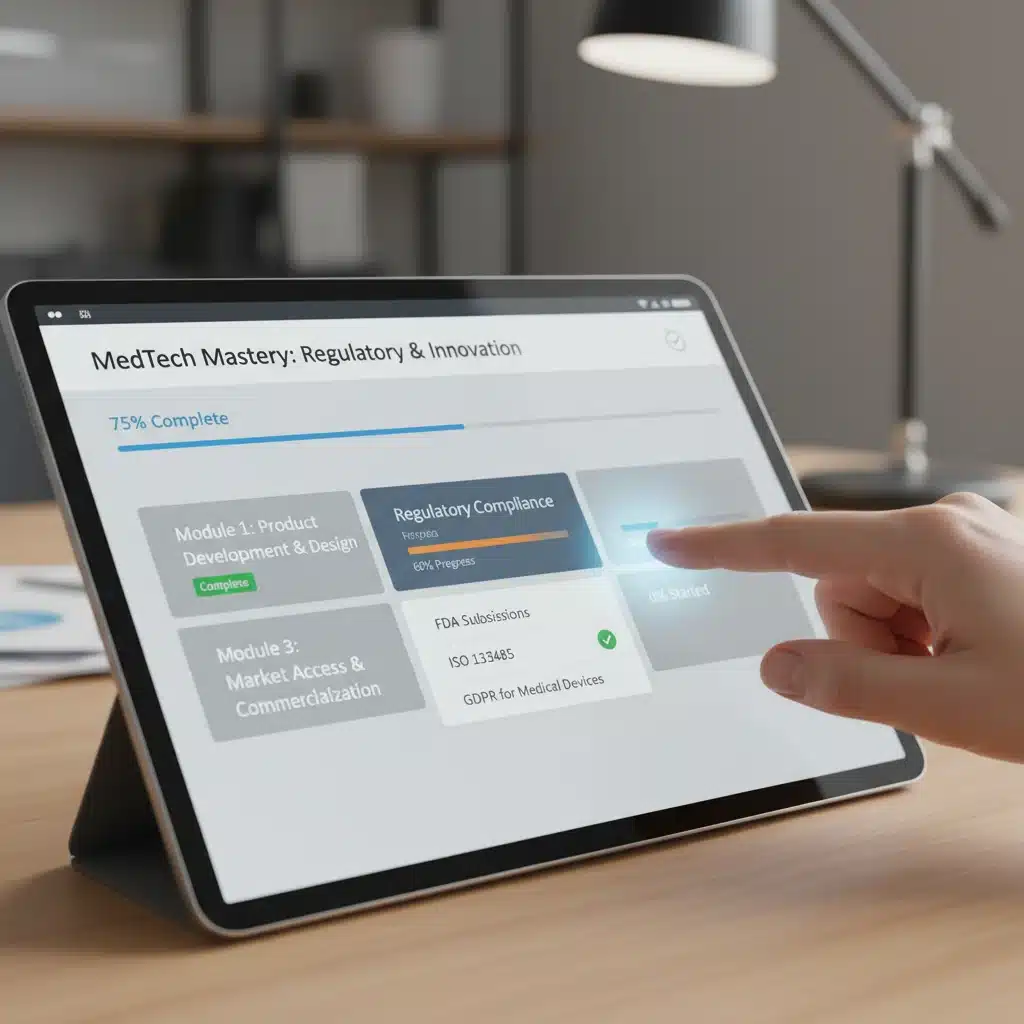
Recognizing the efficiency and scalability of modern learning technologies, the new policies are expected to encourage, if not mandate, the adoption of digital and blended learning approaches for MedTech employee training. This includes e-learning platforms, virtual reality (VR) and augmented reality (AR) simulations, interactive webinars, and online certifications. These methods offer flexibility, allow for personalized learning paths, and can be updated rapidly to reflect new technological or regulatory changes. Companies that have not yet fully embraced digital learning will need to invest in the necessary infrastructure and content development.
Data Reporting and Accountability
With increased investment and mandates, comes increased accountability. The 2026 policies are likely to require MedTech companies to report on their training efforts, including expenditure, participation rates, and the effectiveness of programs. This data will be used to assess compliance, identify areas for improvement, and demonstrate the tangible impact of enhanced MedTech employee training on operational efficiency, product quality, and patient safety. Robust learning management systems (LMS) capable of tracking and reporting comprehensive data will become indispensable tools.
Benefits of Enhanced Employee Education and Training Programs
The strategic investment in enhanced MedTech employee training programs, driven by the 2026 policy changes, yields a multitude of benefits that extend far beyond mere compliance. These advantages impact individual employees, the organization as a whole, and ultimately, the broader healthcare ecosystem.
For Employees: Career Growth and Job Satisfaction
- Skill Enhancement: Employees acquire new, in-demand skills, making them more versatile and valuable to the organization.
- Career Advancement: Specialized training and certifications open doors to promotions and leadership roles within the company.
- Increased Confidence: A deeper understanding of their roles and the products they work with boosts employee confidence and performance.
- Job Security: Staying current with industry trends and regulations enhances job security in a rapidly changing field.
- Higher Job Satisfaction: Employees who feel invested in and supported in their professional development are generally more satisfied and engaged with their work.
For Organizations: Operational Excellence and Competitive Advantage
- Improved Product Quality and Safety: A well-trained workforce is less prone to errors, leading to higher quality products and enhanced patient safety.
- Enhanced Regulatory Compliance: Continuous training ensures adherence to complex regulatory requirements, reducing the risk of penalties and legal issues.
- Increased Innovation: Employees with up-to-date knowledge are better equipped to contribute to innovation and problem-solving.
- Greater Efficiency and Productivity: Skilled employees perform tasks more efficiently, reducing waste and improving overall productivity.
- Stronger Talent Attraction and Retention: Companies known for their commitment to employee development become magnets for top talent and experience lower turnover rates.
- Adaptability to Market Changes: A continuously learning workforce can adapt more quickly to technological shifts, market demands, and competitive pressures.
- Reputational Enhancement: A commitment to high standards of training and employee development enhances a company’s reputation among customers, partners, and investors.
For the MedTech Industry and Patients: Advancing Healthcare
- Higher Standards of Care: A more knowledgeable and skilled MedTech workforce directly translates to better, safer, and more effective medical devices and solutions for patients.
- Accelerated Innovation Cycle: By fostering a culture of continuous learning, the industry can accelerate the development and adoption of new technologies that address unmet medical needs.
- Global Competitiveness: A highly skilled workforce strengthens the global competitiveness of the MedTech industry, ensuring its leadership in medical innovation.
Strategies for Implementing Effective MedTech Employee Training Programs
To effectively navigate the 2026 policy changes and maximize the benefits of enhanced MedTech employee training, companies must adopt strategic approaches to program design and implementation. This requires a holistic view that integrates learning with business objectives and leverages modern pedagogical tools.
Conducting a Comprehensive Training Needs Analysis
The first step is to perform a thorough training needs analysis. This involves identifying current skill gaps, anticipating future requirements based on technological roadmaps and regulatory forecasts, and assessing the existing capabilities of the workforce. Surveys, interviews, performance reviews, and consultations with department heads can provide valuable insights. This analysis should inform the development of targeted MedTech employee training programs that address specific needs rather than adopting a generic approach.
Developing Diverse and Flexible Learning Modalities
A one-size-fits-all approach to training is rarely effective. Companies should embrace diverse learning modalities to cater to different learning styles and schedules. This includes a blend of:
- Online Modules: For self-paced learning of foundational knowledge, regulatory updates, and software proficiency.
- Hands-on Workshops: For practical skills development with new devices, instruments, and manufacturing processes.
- Simulations (VR/AR): For immersive and safe practice of complex procedures, device operation, and troubleshooting.
- Mentorship Programs: To facilitate knowledge transfer from experienced professionals to newer employees.
- External Certifications and Courses: Partnering with universities or specialized training providers for advanced or niche skills.
- Cross-functional Training: To enhance understanding of different departments’ roles and foster collaboration.
Leveraging Technology for Learning Management
Investing in a robust Learning Management System (LMS) is no longer optional. An LMS can help manage course content, track employee progress, administer assessments, and generate compliance reports. Modern LMS platforms often integrate with HR systems, automate training assignments, and provide analytics on learning effectiveness. This technological backbone is crucial for managing the scale and complexity of enhanced MedTech employee training programs.
Integrating Training with Performance Management and Career Paths
For training to be truly impactful, it must be integrated into the broader performance management and career development frameworks. Training objectives should align with individual performance goals and contribute to clearly defined career paths. Recognizing and rewarding employees for completing training and acquiring new skills can significantly boost motivation and engagement. This creates a virtuous cycle where learning directly contributes to career advancement and organizational success.
Fostering a Culture of Continuous Learning
Beyond specific programs, the most successful MedTech companies will cultivate a pervasive culture of continuous learning. This involves:
- Leadership Buy-in: Executives and managers must champion learning and set an example by participating in their own professional development.
- Time Allocation: Employees should be explicitly allocated time for training and professional development, recognizing it as a critical part of their job.
- Knowledge Sharing: Encouraging employees to share insights, best practices, and lessons learned through internal forums, workshops, or communities of practice.
- Feedback Mechanisms: Regularly soliciting feedback on training programs to ensure their relevance, effectiveness, and continuous improvement.
Challenges and Considerations for MedTech Companies
While the benefits of enhanced MedTech employee training are clear, implementing these changes will not be without its challenges. Companies must proactively address these considerations to ensure a smooth and successful transition.
Resource Allocation and Budget Constraints
Even with potential tax incentives, developing and maintaining comprehensive training programs requires significant financial investment and human resources. Companies, particularly smaller and medium-sized enterprises (SMEs), may struggle with budget constraints. Strategic planning, prioritizing critical training areas, and exploring partnerships with external training providers or industry consortia can help mitigate these challenges.
Keeping Pace with Rapid Technological Change
The very problem that the policies aim to solve – rapid technological change – also presents a challenge to training programs. Curricula must be constantly updated, and training materials need frequent revision to remain relevant. This demands agile content development processes and a commitment to ongoing curriculum review.
Ensuring Engagement and Retention of Learning
Mandated training can sometimes lead to passive participation. The challenge is to design engaging, interactive, and relevant training experiences that genuinely capture employee interest and lead to long-term knowledge retention and application. Gamification, real-world case studies, and practical exercises can enhance engagement.
Measuring ROI and Demonstrating Impact
With increased investment, stakeholders will demand demonstrable returns. Companies need robust metrics and evaluation frameworks to measure the effectiveness of their MedTech employee training programs. This includes not just completion rates, but also skill acquisition, improved performance metrics, reduction in errors, and impact on business outcomes.
The Future of MedTech Benefits: A Holistic Approach
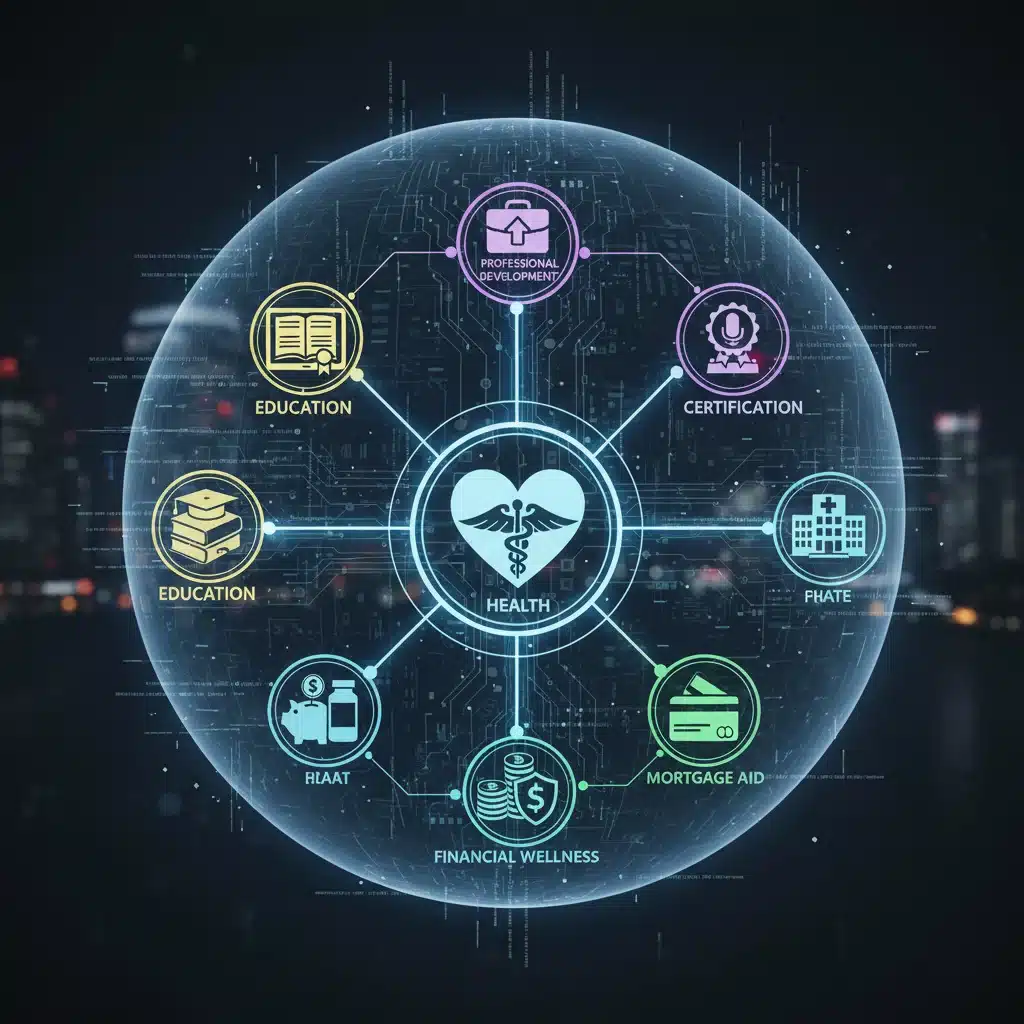
The 2026 policy changes are not just about training; they signify a broader shift towards a more holistic approach to employee benefits in the MedTech sector. Education and training are becoming central pillars, recognized as critical investments in human capital. This holistic view extends beyond traditional health and retirement benefits to encompass continuous professional development, mental wellness support, and flexible work arrangements that facilitate learning.
Companies that embrace this paradigm shift will not only comply with new regulations but will also build more resilient, innovative, and engaged workforces. By strategically integrating MedTech employee training into their core business strategy, organizations can foster a culture of excellence, drive innovation, and ultimately contribute to better patient outcomes globally. The future of MedTech is inextricably linked to the continuous growth and development of its people, and the 2026 policies are setting the stage for an exciting new era of professional empowerment and industry advancement.
Conclusion
The forthcoming 2026 policy changes represent a pivotal moment for the MedTech industry, particularly concerning employee education and training. These revisions underscore the critical importance of a highly skilled and adaptable workforce in an era of rapid technological advancement and complex regulatory demands. By incentivizing and mandating more robust MedTech employee training programs, policymakers aim to close skill gaps, enhance patient safety, and foster a culture of continuous innovation.
For MedTech companies, this is an opportunity to not only ensure compliance but also to strategically invest in their most valuable asset: their people. Implementing comprehensive, flexible, and technologically advanced training initiatives will lead to a myriad of benefits, from increased employee satisfaction and retention to improved product quality and a stronger competitive position. While challenges in resource allocation and rapid content updates exist, proactive planning and a commitment to a learning-centric culture will enable organizations to thrive. As the MedTech landscape continues to evolve, a well-educated and continuously trained workforce will be the ultimate differentiator, driving progress and shaping the future of healthcare for years to come.
Author