Future-Proof Your Health: Top 7 Digital Health Benefits for 2026
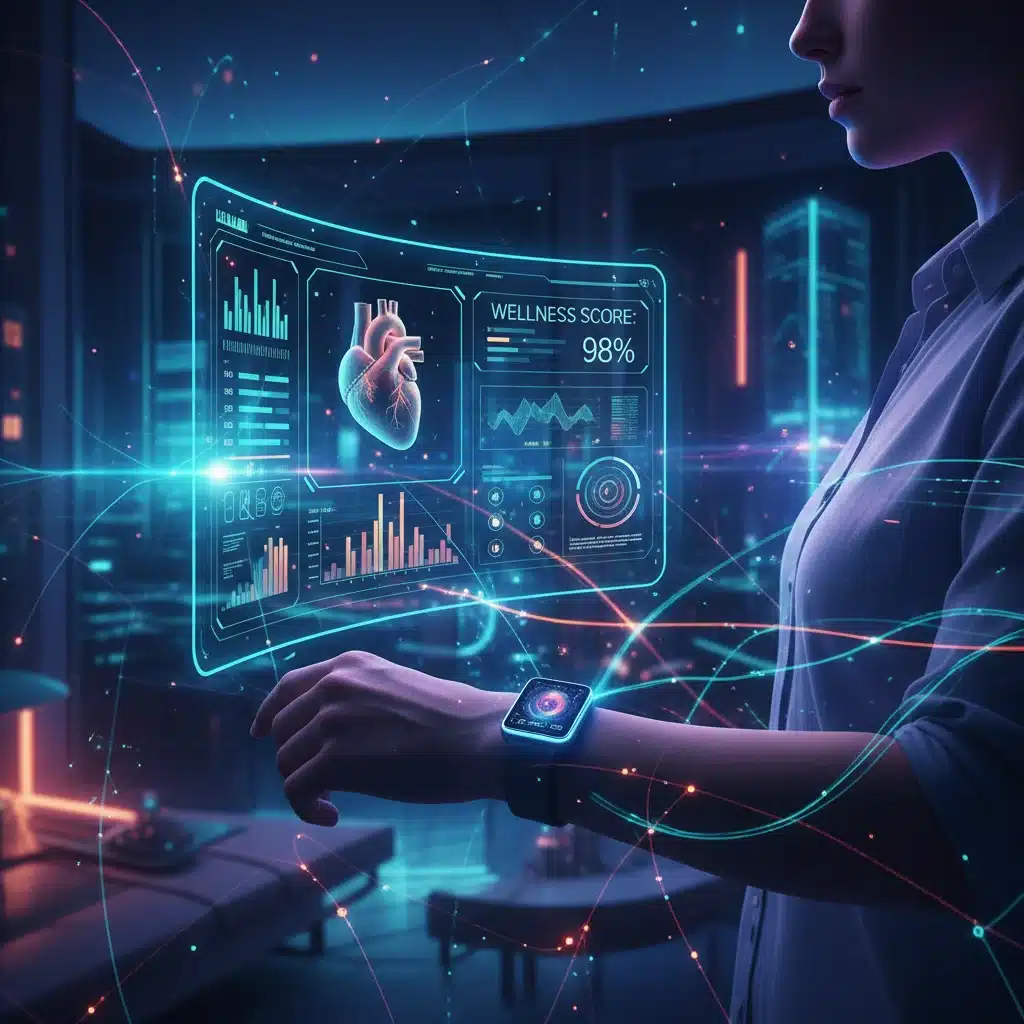
The landscape of healthcare is undergoing a profound transformation, driven by rapid advancements in technology. We are no longer confined to traditional brick-and-mortar clinics for every health concern. Instead, a new era of proactive, personalized, and accessible care is emerging, largely powered by the incredible digital health benefits. As we look towards 2026 and beyond, understanding these benefits is not just an advantage, but a necessity for anyone seeking to future-proof their health and wellness journey.
The concept of ‘digital health’ encompasses a vast array of technologies, from wearable sensors and mobile health applications to artificial intelligence (AI) and telemedicine platforms. These innovations are not merely gadgets; they are powerful tools fundamentally reshaping how we prevent, diagnose, treat, and manage health conditions. The shift is monumental, moving from a reactive, illness-centric model to a proactive, wellness-focused approach. This article will delve into the top seven essential digital health benefits that are set to redefine healthcare in the coming years.
For individuals, healthcare providers, and even policymakers, embracing these digital advancements is crucial. The potential for improved patient outcomes, reduced healthcare costs, and enhanced convenience is immense. Let’s explore how these game-changing technologies are paving the way for a healthier future for all.
1. Enhanced Accessibility to Care: Breaking Down Barriers with Digital Health
One of the most significant digital health benefits is the dramatic improvement in access to healthcare. Geographic location, socioeconomic status, and even physical mobility often present substantial barriers to receiving timely and effective medical attention. Digital health solutions are dismantling these barriers, making quality care more reachable than ever before.
Telemedicine and Remote Consultations
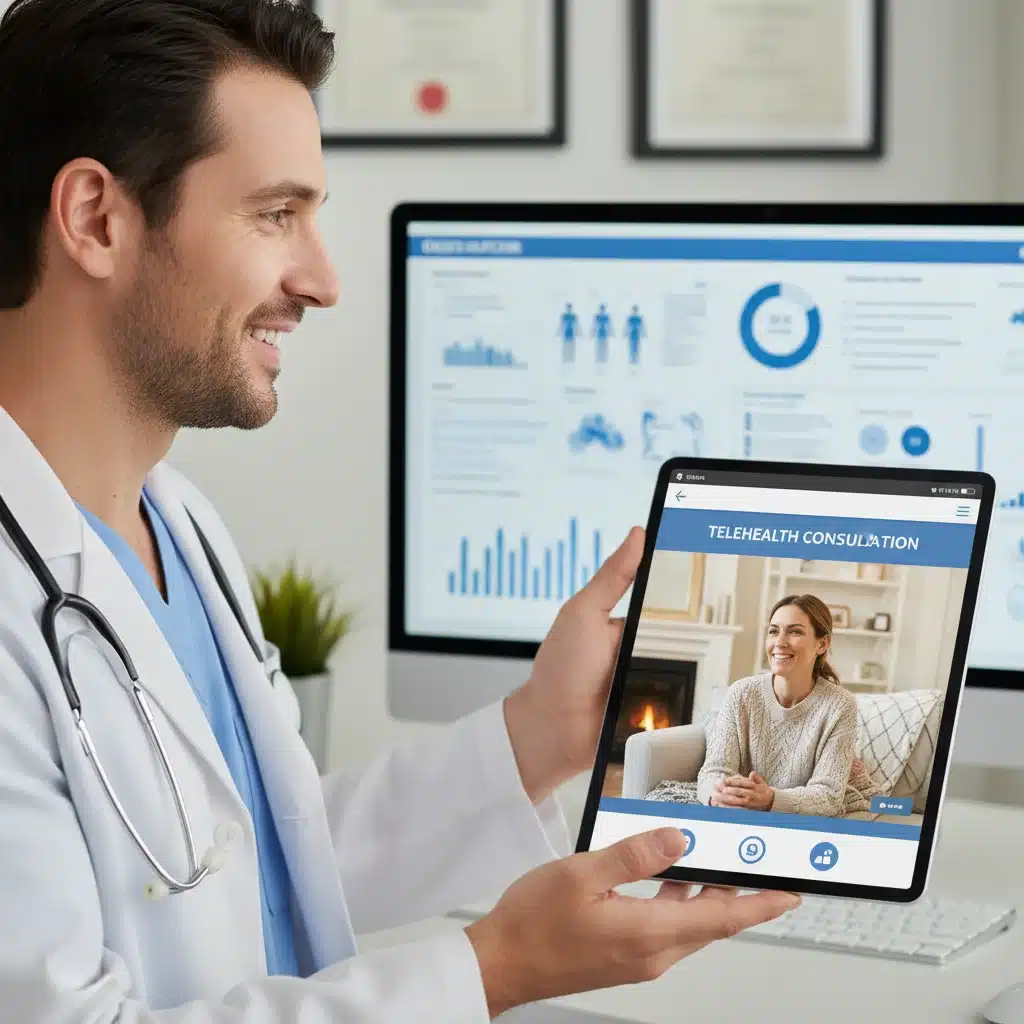
Telemedicine, or telehealth, has moved from a niche service to a mainstream component of healthcare delivery. Video consultations, phone calls, and secure messaging platforms allow patients to connect with doctors, specialists, and mental health professionals from the comfort of their homes. This is particularly transformative for individuals in rural or underserved areas who previously faced long travel times and limited options. It also benefits those with mobility issues or chronic conditions, for whom frequent in-person visits can be burdensome.
The convenience factor cannot be overstated. Imagine getting a prescription refill, discussing lab results, or even having an initial diagnostic consultation without taking time off work, arranging childcare, or navigating traffic and parking. This enhanced accessibility is not just about convenience; it’s about ensuring continuity of care and preventing minor issues from escalating due to delayed intervention.
Digital Prescribing and Pharmacy Services
Beyond consultations, digital health extends to the entire patient journey. Electronic prescribing (e-prescribing) streamlines the process of getting medication, reducing errors and saving time. Online pharmacy services, often integrated with telemedicine platforms, allow for prescriptions to be filled and delivered directly to a patient’s doorstep, further enhancing accessibility for those who struggle to visit a physical pharmacy.
Global Reach and Specialized Care
Digital health also opens doors to specialized care that might not be available locally. Patients can consult with experts across different regions or even countries, gaining access to second opinions or highly specialized treatments. This global reach ensures that individuals are not limited by their immediate geographical boundaries when seeking the best possible care for complex conditions. The expansion of these services promises a more equitable and efficient healthcare system for all.
2. Personalized and Proactive Health Management with Wearable Tech and AI
The era of one-size-fits-all healthcare is rapidly fading, replaced by a highly personalized and proactive approach. This shift is another monumental advantage among the many digital health benefits, largely powered by wearable technology, smart devices, and artificial intelligence.
Continuous Monitoring and Data Collection
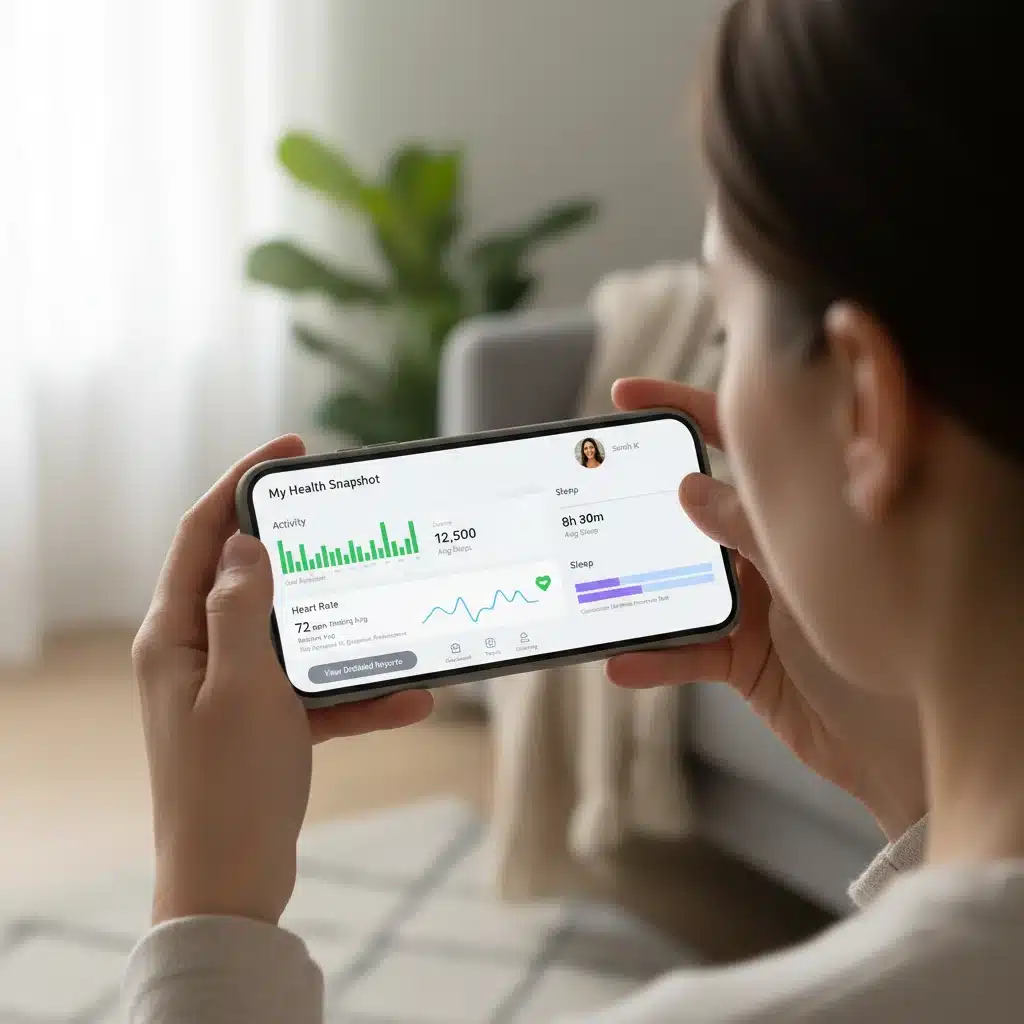
Wearable devices, such as smartwatches, fitness trackers, and smart rings, are no longer just for counting steps. They continuously collect a wealth of physiological data, including heart rate, sleep patterns, activity levels, blood oxygen saturation, and even ECG readings. This constant stream of data provides an unprecedented, real-time snapshot of an individual’s health, far beyond what episodic doctor visits can offer.
For individuals, this means a deeper understanding of their own body and habits. For healthcare providers, it offers invaluable insights into a patient’s daily life, allowing for more informed diagnoses and treatment plans. Early detection of anomalies, such as irregular heart rhythms or significant changes in sleep, can trigger alerts, prompting timely medical intervention and potentially preventing serious health events.
AI-Driven Insights and Predictive Analytics
The true power of this data comes alive when combined with artificial intelligence. AI algorithms can analyze vast datasets from wearables and other sources to identify patterns, predict potential health risks, and offer personalized recommendations. For example, AI can:
- Detect early signs of chronic diseases like diabetes or cardiovascular issues.
- Predict flare-ups for conditions such as asthma or inflammatory bowel disease.
- Suggest personalized exercise routines and dietary plans based on individual biometrics and goals.
- Provide insights into mental health trends by analyzing sleep patterns and activity levels.
This proactive approach shifts the focus from treating illness to preventing it, empowering individuals to take greater control over their health journey. The ability to anticipate health challenges and intervene early is a cornerstone of future-proof health management.
3. Improved Chronic Disease Management and Remote Monitoring
Managing chronic conditions like diabetes, hypertension, heart disease, and respiratory illnesses traditionally requires frequent doctor visits and diligent self-monitoring. Among the most impactful digital health benefits is the revolution in chronic disease management through remote monitoring and specialized digital tools.
Remote patient monitoring (RPM) systems allow healthcare providers to continuously track vital signs, glucose levels, blood pressure, and other critical metrics from afar. This often involves connected devices that automatically transmit data to a secure platform, which can be accessed by the patient’s care team. This constant oversight offers several advantages:
- Early Intervention: Deviations from normal ranges trigger alerts, allowing clinicians to intervene promptly, adjust medication, or schedule an urgent consultation before a crisis develops.
- Reduced Hospitalizations: Proactive management and early intervention significantly reduce the need for emergency room visits and hospital admissions, leading to better patient outcomes and lower healthcare costs.
- Enhanced Patient Engagement: Patients become more actively involved in their care as they monitor their own data and understand the impact of their lifestyle choices. Educational resources and personalized feedback loops often accompany RPM programs.
- Greater Peace of Mind: For both patients and their families, knowing that their health is being continuously monitored by professionals provides a significant sense of security.
Applications specifically designed for chronic conditions offer features like medication reminders, symptom trackers, and educational content, further empowering patients to manage their conditions effectively in their daily lives. This continuous, data-driven approach is transforming chronic care from a reactive struggle to a proactive, manageable journey.
4. Enhanced Mental Health Support and Accessibility
Mental health has long been a challenging area in healthcare, often plagued by stigma, limited access to qualified professionals, and geographical disparities. The emergence of digital health solutions offers a powerful array of digital health benefits in this crucial domain, making mental health support more accessible, discreet, and personalized.
Telepsychiatry and Online Therapy
Similar to general telemedicine, telepsychiatry and online therapy platforms connect individuals with licensed therapists, psychiatrists, and counselors via video calls. This removes significant barriers such as travel, scheduling conflicts, and the discomfort some feel in traditional office settings. For individuals in remote areas or those with social anxieties, this can be a lifeline to much-needed support.
The flexibility of online sessions also means that individuals can receive care during times that suit their schedule, making it easier to integrate mental health support into busy lives.
Mental Wellness Apps and Digital Therapeutics
A burgeoning field within digital health is the development of mental wellness apps and digital therapeutics (DTx). These applications offer a range of services:
- Mindfulness and Meditation: Apps like Calm or Headspace provide guided meditation, sleep stories, and breathing exercises to reduce stress and improve well-being.
- Cognitive Behavioral Therapy (CBT) Apps: Some apps deliver structured CBT programs to help manage anxiety, depression, and other conditions, often under the guidance of a therapist or as a standalone tool.
- Mood Trackers: These allow users to log their moods, identify triggers, and gain insights into their emotional patterns.
- Crisis Support: Many apps include direct links to crisis hotlines and emergency services, providing immediate help when needed.
While not a replacement for severe mental illness treatment, these digital tools offer scalable, accessible, and often more affordable options for general mental wellness, early intervention, and ongoing support. They represent a significant step towards destigmatizing mental health care and integrating it seamlessly into daily life.
5. Greater Patient Empowerment and Engagement
At the heart of many digital health benefits is the profound shift towards patient empowerment. Historically, healthcare has often been a passive experience for patients, with information flowing primarily from provider to recipient. Digital health tools are flipping this dynamic, putting patients in the driver’s seat of their own health journeys.
Access to Personal Health Records (PHRs)
Digital health platforms enable patients to access their personal health records (PHRs) with ease. This means having immediate access to test results, medication lists, immunization records, and physician notes. This transparency allows patients to be more informed participants in their care decisions, ask more pertinent questions, and ensure accuracy in their medical history.
Educational Resources and Health Literacy
Beyond personal data, digital health provides a gateway to a wealth of credible health information. Reputable health apps, patient portals, and educational websites offer articles, videos, and interactive tools to help individuals understand their conditions, treatment options, and preventive measures. This increased health literacy empowers patients to make healthier lifestyle choices and adhere more effectively to treatment plans.
Shared Decision-Making
With greater access to information and a better understanding of their own health data, patients are better equipped to engage in shared decision-making with their healthcare providers. This collaborative approach leads to treatment plans that are more aligned with a patient’s values, preferences, and lifestyle, ultimately leading to higher satisfaction and better adherence.
Community and Peer Support
Digital platforms also foster online communities and support groups for individuals facing similar health challenges. Connecting with peers who understand their experiences can provide invaluable emotional support, practical advice, and a sense of belonging, which are crucial for managing chronic conditions or navigating difficult health journeys. This collective empowerment is a powerful facet of modern digital health.
6. Streamlined Healthcare Operations and Cost Efficiency
While many digital health benefits directly impact patients, the advantages extend significantly to the healthcare system itself, leading to streamlined operations and notable cost efficiencies. This systemic improvement ultimately trickles down to benefit patients through more affordable and effective care.
Reduced Administrative Burden
Digital tools automate many administrative tasks that traditionally consume significant time and resources. Electronic health records (EHRs) reduce paperwork, improve data accuracy, and facilitate seamless information sharing between different departments and providers. Online appointment scheduling, automated reminders, and digital billing systems minimize manual processing, allowing staff to focus on direct patient care rather than administrative overhead.
Optimized Resource Allocation
Data analytics, powered by digital health, provides insights into patient flow, resource utilization, and operational bottlenecks. Hospitals and clinics can use this information to optimize staffing levels, manage bed occupancy more effectively, and improve the efficiency of diagnostic and treatment pathways. This leads to reduced wait times and better allocation of valuable healthcare resources.
Preventive Care and Reduced Hospitalizations
As discussed, digital health’s emphasis on preventive care and remote monitoring for chronic conditions significantly reduces the incidence of severe health crises that require expensive emergency interventions and prolonged hospital stays. By keeping patients healthier outside the hospital, the overall burden on the healthcare system is lessened, leading to substantial cost savings.
Lower Infrastructure Costs
Telemedicine and remote monitoring reduce the need for extensive physical infrastructure. Fewer in-person visits mean less strain on clinic space, equipment, and utility costs. For healthcare providers, starting a virtual practice can be significantly less capital-intensive than establishing a traditional physical office, potentially leading to more accessible care options and lower overheads.
These operational efficiencies translate into a more sustainable and responsive healthcare system, capable of serving more people with higher quality care at a potentially lower cost.
7. Advancements in Diagnostics and Treatment via AI and Data Analytics
The final, but certainly not least, of the crucial digital health benefits lies in the transformative power of artificial intelligence and advanced data analytics in diagnostics and treatment. These technologies are pushing the boundaries of what’s possible in medical science, leading to more accurate diagnoses and more effective therapies.
AI-Powered Diagnostics
AI algorithms are becoming incredibly adept at analyzing complex medical data, often outperforming human capabilities in specific tasks. For instance:
- Medical Imaging: AI can analyze X-rays, MRIs, CT scans, and pathology slides with remarkable speed and accuracy, identifying subtle anomalies that might be missed by the human eye. This is proving invaluable in early cancer detection, diagnosing neurological conditions, and assessing disease progression.
- Pathology: AI can assist pathologists in analyzing tissue samples, speeding up diagnosis and improving consistency.
- Dermatology: Apps using AI can analyze skin lesions from photos, providing preliminary assessments for potential skin cancers.
These AI tools are not replacing clinicians but augmenting their capabilities, providing a powerful second opinion and reducing diagnostic errors, especially in high-volume settings.
Precision Medicine and Drug Discovery
Data analytics and AI are central to the promise of precision medicine. By analyzing an individual’s genetic makeup, lifestyle, and environmental factors, AI can help tailor treatments to be most effective for that specific patient. This moves away from a trial-and-error approach to a highly targeted one, particularly in areas like oncology and pharmacogenomics.
In drug discovery, AI can rapidly sift through vast chemical libraries, identify potential drug candidates, and predict their efficacy and side effects much faster than traditional methods. This accelerates the development of new treatments and therapies, bringing life-saving medications to patients more quickly.
Robotics in Surgery and Rehabilitation
Digital health also encompasses robotics. Robotic-assisted surgery offers greater precision, minimally invasive procedures, and faster recovery times for patients. In rehabilitation, robotic devices and AI-powered exoskeletons are helping patients regain mobility and function after injuries or strokes, providing highly personalized and intensive therapy.
These advancements signify a future where diagnostics are more precise, treatments are more personalized, and medical breakthroughs happen at an accelerated pace, fundamentally improving health outcomes for countless individuals.
The Future is Now: Embracing Digital Health Benefits for a Healthier Tomorrow
The digital health benefits outlined above are not distant dreams; many are already transforming healthcare today, with their full potential rapidly unfolding towards 2026 and beyond. From enhanced accessibility and personalized care to improved chronic disease management and groundbreaking diagnostics, the integration of technology into health is creating a more efficient, equitable, and patient-centric system.
For individuals, this means a greater ability to proactively manage one’s health, access care when and where it’s needed, and engage more deeply with healthcare decisions. For providers, it offers tools to deliver higher quality, more personalized, and more efficient care. For the healthcare system as a whole, it promises sustainability, cost-effectiveness, and the ability to address complex health challenges with unprecedented precision.
As we move forward, it is imperative for everyone – patients, healthcare professionals, technology developers, and policymakers – to embrace these digital transformations. Staying informed about new advancements, advocating for equitable access, and actively participating in this digital health revolution will be key to unlocking its full promise. The future of health is digital, and by understanding and leveraging these essential digital health benefits, we can all contribute to building a healthier, more resilient world.
The journey towards a fully integrated digital health ecosystem is ongoing, but the trajectory is clear: technology is not just an adjunct to healthcare; it is becoming its very foundation. Prepare to experience a future where your health is truly in your hands, supported by the most advanced digital tools and insights available.