AI Drug Discovery: Navigating the Escalating Patent Wars and Legal Battles in US Pharma
The landscape of pharmaceutical innovation is experiencing a seismic shift, driven by the transformative power of Artificial Intelligence (AI). What was once the realm of laborious, time-consuming, and often serendipitous manual research is now being revolutionized by algorithms capable of sifting through vast datasets, predicting molecular interactions, and even designing novel compounds. This technological leap promises faster drug development, more targeted therapies, and a new era of medical breakthroughs. However, with great innovation comes great contention, particularly in the fiercely competitive and highly regulated pharmaceutical industry. The convergence of AI and drug discovery is not just accelerating scientific progress; it’s also igniting a new front in the perpetual battle over intellectual property: the AI Drug Discovery Patents wars.
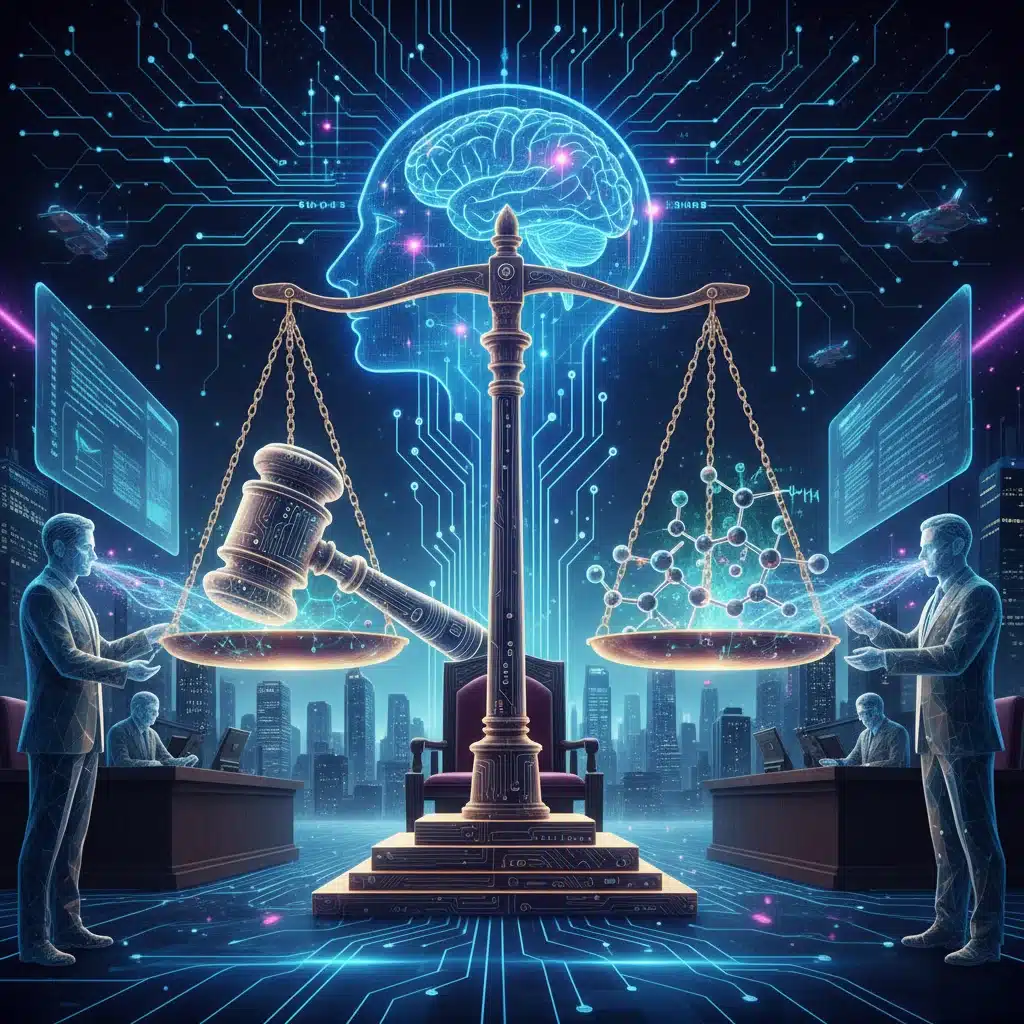
By mid-2026, experts predict that the US pharmaceutical sector will be deeply embroiled in a series of landmark legal battles, challenging the very foundations of patent law as it applies to AI-generated inventions. These disputes will not merely be skirmishes; they will be defining confrontations that shape the future of innovation, investment, and market dominance for decades to come. Understanding the intricate dynamics of these patent wars is crucial for anyone involved in pharmaceuticals, biotechnology, legal practice, or investment.
Anúncios
Anúncios
The Dawn of AI in Drug Discovery: A Double-Edged Sword
AI’s role in drug discovery is multifaceted and rapidly expanding. From identifying potential drug targets and screening vast libraries of compounds to optimizing molecular structures and predicting clinical trial outcomes, AI tools are enhancing every stage of the drug development pipeline. Machine learning algorithms can analyze genomic data to identify disease biomarkers, accelerate lead compound identification, and even design de novo molecules with desired properties. This efficiency and predictive power are invaluable, promising to drastically cut down the time and cost associated with bringing new drugs to market. The allure of AI’s potential to unlock cures for previously intractable diseases is undeniable.
However, this same power creates unprecedented challenges for intellectual property (IP) law. Traditional patent law, largely designed for human inventorship and tangible creations, struggles to adapt to the nuances of AI-generated innovations. Who is the inventor when an algorithm designs a molecule? How much human intervention is required for an AI-assisted discovery to be patentable? These are not hypothetical questions; they are at the heart of the emerging AI Drug Discovery Patents conflicts.
Understanding the Core of the Patent Wars
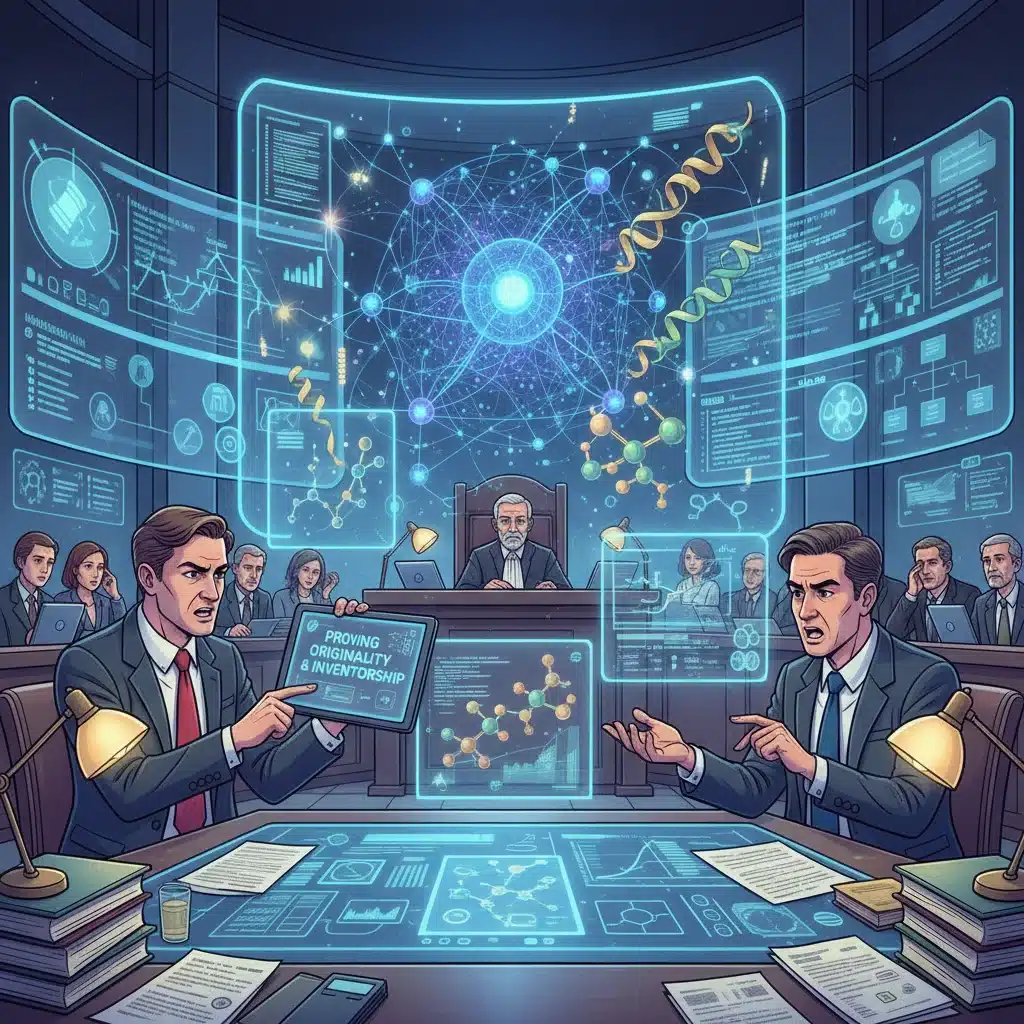
The current legal framework for patents in the US, primarily governed by the US Patent and Trademark Office (USPTO) and federal courts, requires an invention to be novel, non-obvious, and useful. Crucially, it also requires an inventor – traditionally a human being. This fundamental requirement is where the conflict begins when AI systems are involved. When an AI system, with minimal human guidance, proposes a novel chemical compound or a new therapeutic use for an existing one, who claims inventorship?
Several key areas are fueling these patent wars:
- Inventorship Attribution: The most contentious issue revolves around who can be named as an inventor. Current US patent law explicitly states that only natural persons can be inventors. If an AI system independently generates a novel drug candidate, can the company that developed the AI, or the scientists who merely operated it, claim inventorship? Or is the AI merely a tool, and the human operator the true inventor? The answer has profound implications for patent ownership and licensing.
- Patent Eligibility of AI-Generated Inventions: Beyond inventorship, there’s the question of whether AI-generated discoveries meet the criteria for patent eligibility at all. Are they merely ‘discoveries’ of natural phenomena, or ‘inventions’ that required human ingenuity? The line is increasingly blurred.
- Data Ownership and Training Data: AI models are only as good as the data they are trained on. Disputes are arising over the ownership and licensing of proprietary datasets used to train AI models, especially if those datasets lead to patentable discoveries. If an AI is trained on publicly available data, but also on proprietary data from a specific company, how do you delineate ownership of subsequent inventions?
- Scope of Claims: Defining the scope of patent claims for AI-driven inventions is another minefield. How broadly can a patent claim an AI-generated molecule or method, especially when the AI itself is constantly evolving and generating variations?
- Prior Art Challenges: AI’s ability to quickly generate numerous variations and novel compounds could also complicate prior art searches and challenges, potentially leading to more invalid patents and subsequent litigation.
Key Players and Their Stakes in AI Drug Discovery Patents
The primary combatants in these patent wars will be the established pharmaceutical giants, innovative biotech startups, and specialized AI drug discovery companies. Each group has different strengths and vulnerabilities:
- Big Pharma: Traditional pharmaceutical companies are investing heavily in AI, often through acquisitions or collaborations with AI firms. Their extensive patent portfolios and deep pockets give them a strong defensive and offensive posture. However, they risk being seen as stifling innovation if they aggressively assert broad patents against smaller players. Their challenge will be integrating AI discoveries into their existing IP strategies without alienating their human researchers.
- Biotech Startups: These agile companies are often at the forefront of AI innovation in drug discovery. Their survival depends on securing strong IP protection for their novel AI-generated compounds and methods. They are more vulnerable to legal challenges from larger entities but also possess the potential for disruptive breakthroughs that could reshape the market.
- AI Development Firms: Companies specializing in developing AI platforms for drug discovery face unique challenges. Their IP might be in the algorithms themselves, the training data, or the methods of applying AI to drug discovery. Their ability to license their technology effectively will depend on clear IP boundaries.
The stakes are incredibly high. For pharmaceutical companies, securing strong AI Drug Discovery Patents means billions in potential revenue, market exclusivity, and a competitive edge. For the broader public, these battles could influence the speed at which new, life-saving drugs become available and their ultimate cost.
Anticipating the Legal Battles: Mid-2026 and Beyond
The mid-2026 timeframe is significant because many AI-driven drug discovery programs initiated in the early 2020s are expected to yield patentable results and enter clinical trials around this period. As these first waves of AI-generated drugs approach market readiness, the value of their underlying IP will skyrocket, inevitably leading to disputes. We can anticipate several types of legal actions:
- Declaratory Judgment Actions: Companies will proactively seek court declarations on the validity or infringement of patents related to AI drug discovery.
- Infringement Lawsuits: Companies alleging that competitors are using their patented AI methods or developing drugs based on their protected AI-generated compounds will initiate lawsuits.
- Inter Partes Review (IPR) and Post-Grant Review (PGR): Challenges to patent validity at the USPTO will become more frequent, particularly targeting patents with ambiguous inventorship or eligibility claims related to AI.
- Trade Secret Litigation: Beyond patents, disputes over the proprietary AI algorithms, training data, and specific methodologies used in drug discovery will likely lead to trade secret litigation.
The Impact on US Pharma: Innovation, Investment, and Ethics
The outcome of these legal battles will have far-reaching implications for the US pharmaceutical industry:
Innovation
Clearer guidelines on AI Drug Discovery Patents could foster innovation by providing certainty and incentivizing investment. Conversely, overly broad or restrictive interpretations could stifle innovation, creating a chilling effect on research and development, especially for smaller entities. If patents are difficult to obtain for AI-generated inventions, companies might rely more on trade secrets, making knowledge sharing and collaborative innovation harder.
Investment
Venture capitalists and pharmaceutical investors are closely watching how these IP issues unfold. A stable and predictable patent environment is crucial for attracting the significant capital required for drug development. Uncertainty in patent protection could deter investment in AI drug discovery startups, slowing down the pace of innovation.
Ethics and Public Policy
Beyond the legal and economic aspects, these patent wars raise profound ethical questions. If AI can invent, what does that mean for human creativity? How do we balance the need for strong IP protection to incentivize drug development with the public interest in affordable and accessible medicines? Policymakers will face immense pressure to adapt existing laws or create new ones that address these unique challenges. The debate over who benefits from AI-driven medical breakthroughs will intensify.
Navigating the Legal Labyrinth: Strategies for Companies
In this evolving landscape, companies engaged in AI drug discovery must adopt proactive and strategic approaches to protect their intellectual property and mitigate legal risks:
- Robust IP Strategy: Develop a comprehensive IP strategy that considers not only patenting AI-generated compounds but also protecting the underlying AI algorithms, training data, and methodologies through a combination of patents, trade secrets, and copyrights.
- Clear Inventorship Policies: Establish clear internal policies for attributing inventorship in AI-assisted discoveries. While US law requires human inventors, careful documentation of human input and oversight can strengthen patent applications.
- Strategic Collaborations: Structure collaboration agreements with AI firms or academic institutions with explicit terms regarding IP ownership, licensing, and access to data.
- Monitoring and Enforcement: Actively monitor the patent landscape for competitor activities and be prepared to defend existing AI Drug Discovery Patents or challenge infringing ones.
- Engage with Policy Makers: Participate in industry groups and engage with patent offices and legislative bodies to advocate for IP reforms that appropriately address AI-generated inventions.
- Focus on Data Governance: Implement stringent data governance practices, including data provenance, access controls, and licensing agreements for data used in AI training, to avoid future disputes.
Legal counsel specializing in both patent law and AI technology will be indispensable for navigating these complexities. The legal strategies employed today will define the competitive advantages of tomorrow.
Global Perspectives on AI Drug Discovery Patents
It’s also important to note that the approach to AI inventorship and patentability varies across jurisdictions. While the US currently adheres to the human inventorship requirement, other regions are exploring different paths. For example, the European Patent Office (EPO) has also maintained that only a human can be an inventor, rejecting applications where an AI system (DABUS) was named as such. However, discussions are ongoing, and some countries might eventually adopt more flexible interpretations or new legislation. Companies with global aspirations must consider these international differences and tailor their IP strategies accordingly.
The global pharmaceutical market, already interconnected, will see these jurisdictional differences create additional layers of complexity. A drug patented in one country based on AI inventorship might face challenges or different patentability standards in another, leading to potential market fragmentation and increased legal costs for global pharmaceutical companies.
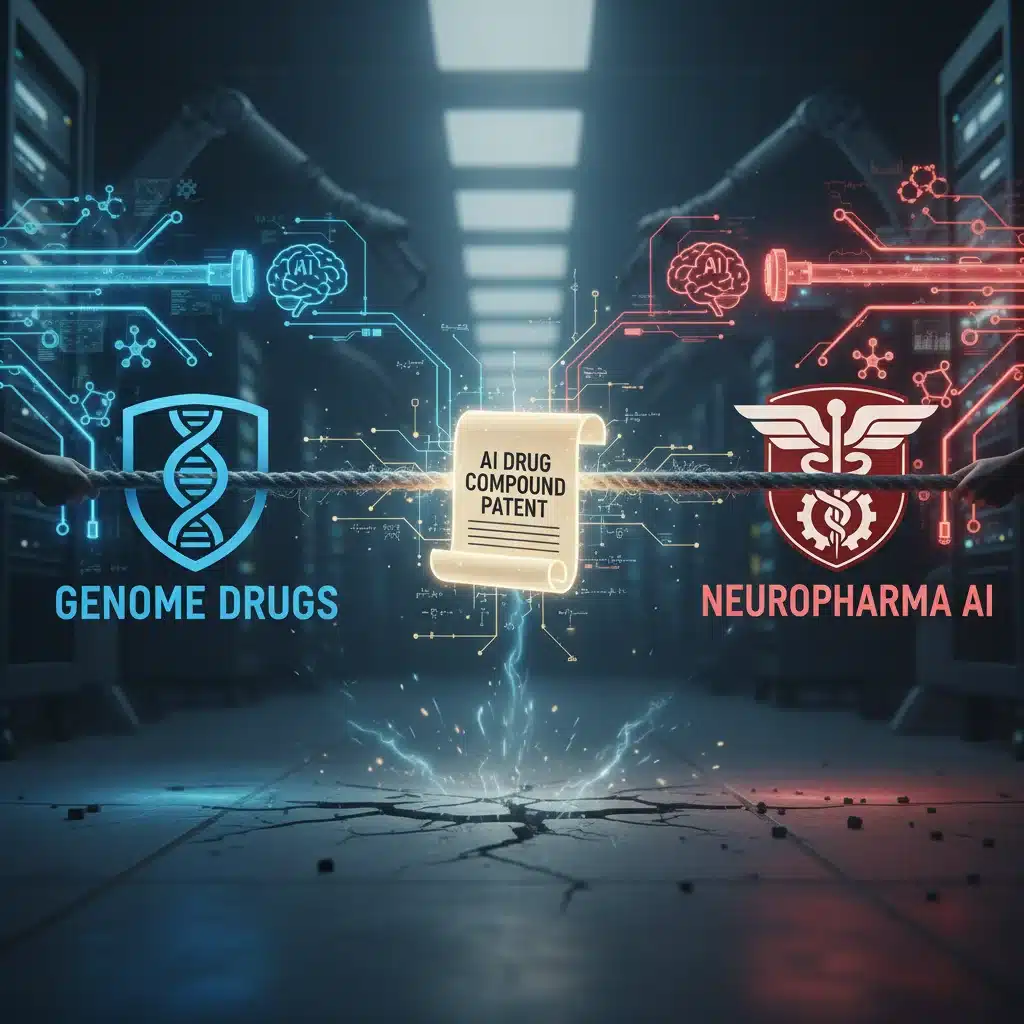
The Future of Pharmaceutical Innovation Under Patent Scrutiny
The patent wars over AI Drug Discovery Patents are more than just legal skirmishes; they are a critical juncture for the future of pharmaceutical innovation. The outcomes will determine how quickly and efficiently new drugs are developed, who profits from these advancements, and ultimately, how accessible life-saving treatments are to patients worldwide. The legal system, often slow to adapt to rapid technological change, is now being forced to confront questions that challenge its very foundations. How it responds will shape the trajectory of one of humanity’s most vital industries.
As mid-2026 approaches, the legal community, pharmaceutical executives, and policymakers must work collaboratively to forge a framework that balances the need for robust intellectual property protection with the imperative to foster innovation and ensure public access to medical breakthroughs. The stakes are too high for anything less than a thoughtful and forward-looking approach. The era of AI in drug discovery is here, and with it, a new chapter in the ongoing saga of patent law.