Mastering Telemedicine HIPAA Compliance: Your 2026 Educational Blueprint

Anúncios
The landscape of healthcare is in constant evolution, with telemedicine emerging as a transformative force. While offering unparalleled convenience and accessibility, this digital revolution brings with it a complex web of regulatory challenges, particularly concerning patient data privacy and security. Navigating HIPAA compliance in telemedicine is not merely a legal obligation; it is a fundamental pillar of trust between healthcare providers and patients. As we advance towards 2026, the need for robust, up-to-date educational solutions becomes paramount. This comprehensive guide outlines a step-by-step approach to mastering telemedicine HIPAA compliance, ensuring your practice is not only compliant but also resilient against future challenges.
Anúncios
Anúncios
The Health Insurance Portability and Accountability Act (HIPAA) sets the standard for protecting sensitive patient health information (PHI). In the context of telemedicine, where interactions occur virtually and data is transmitted electronically, the stakes are even higher. Breaches of PHI can lead to severe penalties, reputational damage, and a significant erosion of patient confidence. Therefore, understanding and implementing effective telemedicine HIPAA compliance strategies is non-negotiable for every healthcare organization and individual practitioner.
Understanding the Core of Telemedicine HIPAA Compliance
Before delving into practical solutions, it’s crucial to grasp the fundamental principles of telemedicine HIPAA compliance. HIPAA comprises several rules, each with specific requirements:
- The Privacy Rule: This rule sets national standards for the protection of individually identifiable health information by covered entities and business associates. It gives patients rights over their health information, including rights to examine and obtain a copy of their health records, and to request corrections. In telemedicine, this means ensuring that virtual consultations are private and that patient data shared electronically is handled with the utmost confidentiality.
- The Security Rule: This rule specifies administrative, physical, and technical safeguards that covered entities and their business associates must implement to protect electronic protected health information (ePHI). For telemedicine, this translates into requirements for secure platforms, encryption, access controls, and regular risk assessments.
- The Breach Notification Rule: This rule requires covered entities and business associates to provide notification following a breach of unsecured protected health information. Timely and accurate notification is critical in telemedicine, where data breaches can have widespread implications.
- The Enforcement Rule: This rule outlines the procedures for investigations and hearings for HIPAA violations and sets civil money penalties for non-compliance. The penalties can be substantial, underscoring the importance of proactive compliance efforts.
The unique nature of telemedicine, involving remote interactions and digital data exchange, introduces additional layers of complexity to these rules. For instance, selecting HIPAA-compliant video conferencing platforms, ensuring secure patient portals, and establishing protocols for remote patient monitoring all fall under the umbrella of telemedicine HIPAA compliance.
The Evolving Landscape: Why 2026 Demands a New Approach
The rapid adoption of telemedicine, accelerated by recent global events, has led to a dynamic regulatory environment. While temporary waivers and flexibilities were granted during the public health emergency, the expectation is that stricter enforcement and potentially new regulations will emerge as telemedicine becomes a permanent fixture in healthcare delivery. By 2026, healthcare organizations must be prepared for a more stringent interpretation and application of HIPAA rules to virtual care.
Key Trends Shaping Telemedicine HIPAA Compliance in 2026:
- Advanced Cybersecurity Threats: Cybercriminals are increasingly sophisticated, targeting healthcare organizations for sensitive patient data. Robust cybersecurity measures, beyond basic encryption, will be essential.
- Artificial Intelligence (AI) and Machine Learning (ML) in Healthcare: The integration of AI/ML tools in telemedicine for diagnostics, treatment planning, and administrative tasks raises new questions about data privacy, bias, and algorithmic transparency, all under the purview of HIPAA.
- Cross-State Licensure and Data Sharing: As telemedicine transcends geographical boundaries, issues related to state-specific regulations, licensure, and secure interstate data sharing will gain prominence.
- Patient Data Ownership and Access: There’s a growing emphasis on patient control over their health data. Telemedicine platforms must facilitate easy and secure patient access to their records while maintaining privacy.
- Increased Regulatory Scrutiny: As the telemedicine industry matures, expect more frequent audits and stricter enforcement actions from regulatory bodies.
These trends highlight the need for a forward-thinking, adaptable, and comprehensive educational solution for telemedicine HIPAA compliance. Static, one-time training will no longer suffice; continuous education and adaptation will be key.
Step-by-Step Educational Solution for Telemedicine HIPAA Compliance in 2026
Implementing an effective telemedicine HIPAA compliance program requires a structured educational approach. Here’s a step-by-step blueprint:
Step 1: Comprehensive Risk Assessment and Gap Analysis
The first step in any robust compliance program is to understand your current posture. Conduct a thorough risk assessment specific to your telemedicine operations. Identify all potential vulnerabilities where ePHI could be compromised, from initial patient contact to data storage and disposal.
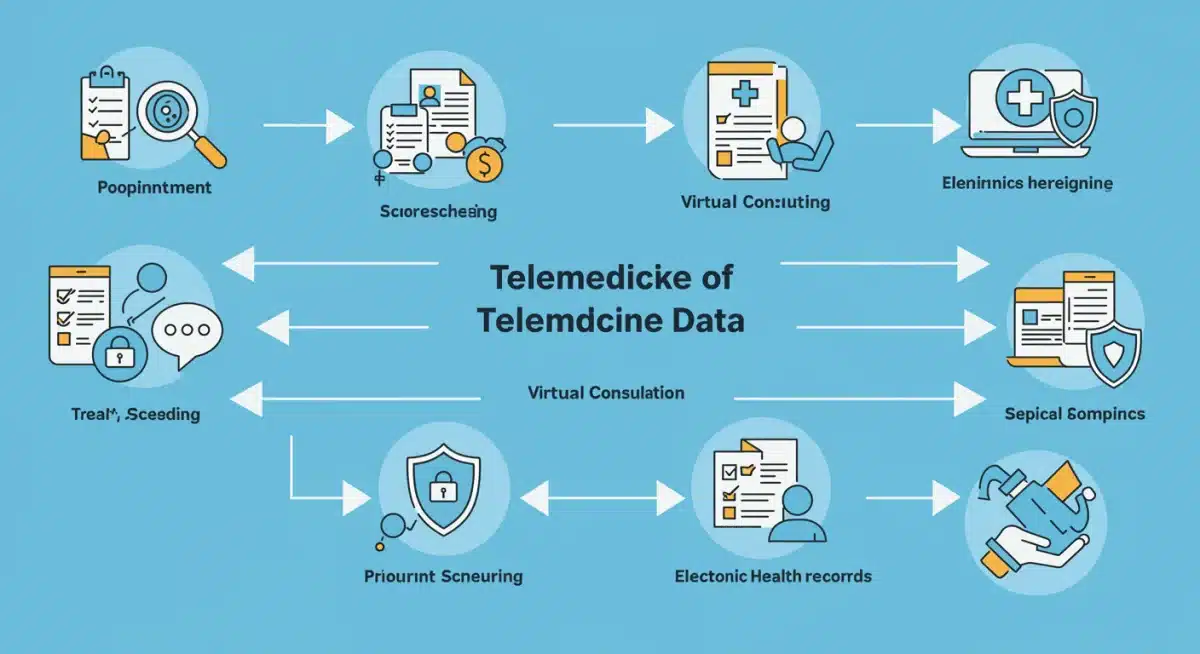
- Identify ePHI Flow: Map out how ePHI is created, received, transmitted, and maintained within your telemedicine workflows.
- Evaluate Technology: Assess all software, hardware, and networks used for telemedicine, including video conferencing platforms, EHR systems, and remote monitoring devices, for HIPAA compliance.
- Review Policies and Procedures: Examine existing HIPAA policies and procedures to determine if they adequately address telemedicine-specific risks.
- Identify Gaps: Pinpoint areas where your current practices fall short of HIPAA requirements or best practices for telemedicine.
Educational Component: Train staff on how to conduct internal risk assessments, recognize potential vulnerabilities in telemedicine workflows, and document findings accurately. Provide resources on common telemedicine security risks and how to identify them.
Step 2: Develop and Implement Robust Policies and Procedures
Based on your risk assessment, develop or update policies and procedures specifically tailored to telemedicine HIPAA compliance. These should cover every aspect of your virtual care delivery.
- Patient Consent for Telemedicine: Clearly define the process for obtaining informed consent from patients for telemedicine services, including privacy practices.
- Secure Communication Protocols: Establish guidelines for using secure, HIPAA-compliant platforms for virtual consultations, messaging, and file sharing.
- Data Encryption Standards: Mandate encryption for all ePHI in transit and at rest, both within your systems and with third-party vendors.
- Access Control Policies: Define who has access to ePHI, under what circumstances, and implement strong authentication mechanisms.
- Incident Response Plan: Develop a detailed plan for responding to suspected or confirmed data breaches, including notification procedures.
- Business Associate Agreements (BAAs): Ensure all third-party vendors (e.g., cloud storage providers, telemedicine platform vendors) with access to ePHI have signed HIPAA-compliant BAAs.
- Remote Work Policies: If staff work remotely, establish policies for securing home networks, devices, and physical safeguards for ePHI.
Educational Component: Conduct mandatory training sessions for all staff on these new or updated policies. Use real-world telemedicine scenarios to illustrate how these policies apply in practice. Provide readily accessible policy documents and FAQs.
Step 3: Implement Technical Safeguards and Continuous Monitoring
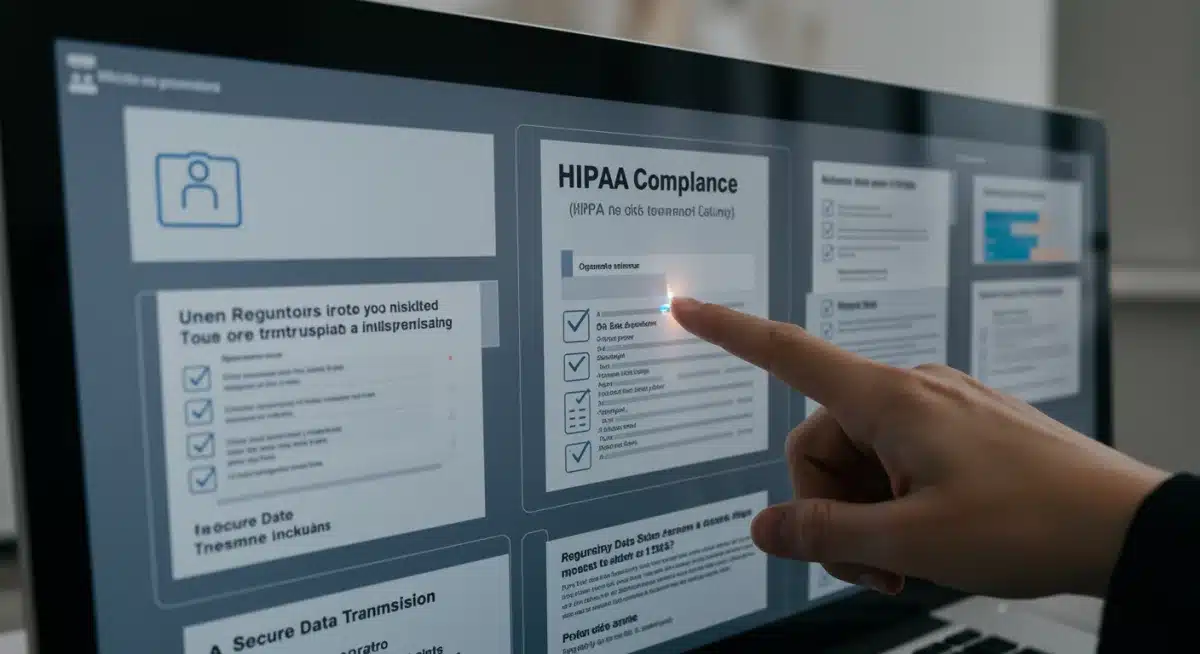
Technical safeguards are the backbone of telemedicine HIPAA compliance. These are the technological tools and configurations that protect ePHI.
- Secure Telemedicine Platforms: Utilize platforms specifically designed and certified for HIPAA compliance, offering end-to-end encryption, secure authentication, and audit trails.
- Endpoint Security: Implement robust antivirus, anti-malware, and firewall solutions on all devices used for telemedicine.
- Data Backup and Recovery: Establish secure, redundant backup systems for all ePHI, along with a tested disaster recovery plan.
- Access Management: Implement multi-factor authentication (MFA) for all access to ePHI, and regularly review user access permissions.
- Audit Logs: Enable and regularly review audit logs on all systems that handle ePHI to detect unusual activity.
- Network Security: Secure your network infrastructure with firewalls, intrusion detection systems, and secure Wi-Fi protocols.
Educational Component: Provide technical training for IT staff on implementing and maintaining these safeguards. Educate all staff on best practices for password security, identifying phishing attempts, and using secure devices. Create a culture of security vigilance.
Step 4: Ongoing Staff Training and Awareness Programs
Human error remains a leading cause of data breaches. Continuous education is critical to maintaining a strong security posture and ensuring telemedicine HIPAA compliance.
- Regular Refresher Training: Conduct annual or semi-annual training sessions on HIPAA regulations, focusing on telemedicine-specific considerations.
- Scenario-Based Learning: Use interactive exercises and real-life scenarios to reinforce learning and help staff understand the practical implications of non-compliance.
- Phishing Simulations: Conduct regular phishing simulations to test staff awareness and identify areas for further training.
- Updates on New Threats and Regulations: Keep staff informed about emerging cybersecurity threats, new telemedicine technologies, and any updates to HIPAA regulations or state laws.
- Role-Specific Training: Tailor training content to different roles within the organization (e.g., clinicians, administrative staff, IT personnel) to address their specific responsibilities regarding ePHI.
Educational Component: Develop a structured curriculum for ongoing training, leveraging online modules, webinars, and in-person workshops. Track completion rates and comprehension to ensure effectiveness.
Step 5: Regular Audits, Reviews, and Updates
HIPAA compliance is not a one-time event; it’s an ongoing process. Regular auditing and review are essential to adapt to new technologies, threats, and regulatory changes.
- Internal Audits: Conduct periodic internal audits of your telemedicine systems and processes to ensure ongoing adherence to HIPAA policies.
- External Audits: Consider engaging third-party experts to conduct independent HIPAA compliance audits.
- Policy Review: Review and update your HIPAA policies and procedures annually, or whenever there are significant changes to your telemedicine operations or regulatory requirements.
- Technology Updates: Stay current with software and hardware updates, patching vulnerabilities promptly.
- Feedback Mechanisms: Establish channels for staff to report security concerns or suggest improvements to compliance processes.
Educational Component: Train designated compliance officers or teams on how to conduct effective audits, interpret audit findings, and implement necessary corrective actions. Provide access to resources on regulatory updates and best practices for continuous improvement.
Practical Solutions for Enhancing Telemedicine HIPAA Compliance Education
Beyond the step-by-step process, incorporating practical, engaging, and accessible educational tools is vital for successful telemedicine HIPAA compliance.
1. Interactive E-Learning Modules
Move beyond static presentations. Develop interactive e-learning modules that include quizzes, case studies, and simulations specific to telemedicine. These modules can cover topics like:
- Proper use of HIPAA-compliant telemedicine platforms.
- Identifying and reporting suspicious emails or activities.
- Handling patient inquiries about data privacy.
- Protocols for emergency telemedicine situations.
Gamification elements, such as badges or leaderboards, can increase engagement and retention.
2. Dedicated Compliance Officer or Team
Designate a dedicated HIPAA Compliance Officer or establish a compliance team responsible for overseeing telemedicine HIPAA compliance. This individual or team should be highly trained and serve as a central resource for all compliance-related questions and concerns. Their responsibilities include:
- Developing and updating compliance policies.
- Organizing and conducting training programs.
- Leading risk assessments and internal audits.
- Staying abreast of regulatory changes.
- Managing incident response.
3. Vendor Management and Due Diligence
A significant portion of telemedicine relies on third-party vendors. Educate your team on the importance of thorough vendor due diligence. This includes:
- Verifying a vendor’s HIPAA compliance certifications and security practices.
- Ensuring robust Business Associate Agreements (BAAs) are in place and regularly reviewed.
- Understanding the vendor’s data handling, storage, and breach notification policies.
Your organization is ultimately responsible for the ePHI handled by your business associates, making vendor education a critical component of your overall telemedicine HIPAA compliance strategy.
4. Creating a Culture of Security and Privacy
Ultimately, the most effective educational solution cultivates a culture where security and privacy are ingrained in every staff member’s daily routine. This involves:
- Leadership Buy-in: Senior leadership must champion compliance efforts and demonstrate their commitment to patient privacy.
- Open Communication: Encourage staff to ask questions, report concerns without fear of reprisal, and actively participate in improving security.
- Regular Reminders: Use internal newsletters, posters, and brief huddles to provide consistent reminders about compliance best practices.
- Positive Reinforcement: Recognize and reward staff who demonstrate exceptional commitment to HIPAA compliance.
A strong security culture transforms compliance from a burdensome obligation into a shared responsibility, significantly bolstering your telemedicine HIPAA compliance posture.
The Future of Telemedicine HIPAA Compliance Education
Looking ahead to 2026 and beyond, educational solutions for telemedicine HIPAA compliance will likely become even more sophisticated and integrated. We can anticipate:
- AI-Powered Training: Personalized training modules that adapt to an individual’s learning style and identify knowledge gaps using AI.
- Virtual Reality (VR) and Augmented Reality (AR) Simulations: Immersive training experiences that simulate real-world telemedicine scenarios and data breach responses.
- Real-time Compliance Monitoring: AI-driven systems that monitor telemedicine interactions for potential HIPAA violations and provide immediate feedback or alerts.
- Standardized Certification Programs: More widely recognized and required certifications for telemedicine providers and staff on HIPAA compliance.
Embracing these future trends will be crucial for healthcare organizations aiming to stay ahead of the curve and maintain exemplary telemedicine HIPAA compliance.
Conclusion: A Proactive Approach to Telemedicine HIPAA Compliance is Key
As telemedicine continues its trajectory as a cornerstone of modern healthcare, the imperative to ensure robust HIPAA compliance grows stronger. The challenges are complex, but with a strategic, step-by-step educational solution, healthcare providers can confidently navigate the regulatory landscape of 2026 and beyond. By prioritizing comprehensive risk assessments, developing stringent policies, implementing cutting-edge technical safeguards, fostering continuous staff education, and establishing a culture of security and privacy, organizations can protect patient data, build trust, and ensure the long-term success of their telemedicine initiatives.
Investing in a proactive and dynamic educational framework for telemedicine HIPAA compliance is not just about avoiding penalties; it’s about upholding the ethical responsibility to safeguard patient information and ensuring that the benefits of virtual care are realized securely and responsibly. The time to prepare for 2026 is now, by laying the groundwork for an educated, aware, and compliant healthcare workforce ready for the future of telemedicine.
Author