CDC Reports 5% Drop in Hospitalizations: Digital Health’s Impact

Anúncios
Public Health News: CDC Reports 5% Decrease in Preventable Hospitalizations Due to New Digital Health Initiatives in 2026
A landmark report from the Centers for Disease Control and Prevention (CDC) in 2026 highlights a remarkable achievement in public health: a 5% reduction in preventable hospitalizations, directly linked to the widespread adoption and success of new Digital Health Initiatives. This significant milestone underscores the transformative power of technology in healthcare, offering a glimpse into a future where proactive, accessible, and patient-centric care is the norm.
Anúncios
Anúncios
The Dawn of a New Era in Public Health: Understanding the CDC’s 2026 Report
The year 2026 will be remembered as a pivotal moment in public health history. The CDC’s latest report, meticulously detailing healthcare trends across the nation, has unveiled a statistic that has sent ripples of optimism through medical communities worldwide: a 5% decrease in preventable hospitalizations. This isn’t merely a number; it represents countless lives improved, significant reductions in healthcare burdens, and a testament to the efficacy of forward-thinking strategies. At the heart of this success are the Digital Health Initiatives – a comprehensive suite of technological interventions designed to empower individuals, streamline care delivery, and ultimately, keep people healthier and out of hospitals.
For years, healthcare systems have grappled with the challenge of preventable hospitalizations – admissions that could have been avoided with timely and effective outpatient care, better disease management, or enhanced preventative measures. These admissions not only strain hospital resources but also represent a significant personal cost to patients and their families. The CDC’s report provides concrete evidence that the investment in and implementation of Digital Health Initiatives are yielding tangible, positive outcomes, shifting the paradigm from reactive treatment to proactive prevention.
This article delves deep into the mechanisms behind this success, exploring the specific digital health technologies that have made the most significant impact, the policy changes that facilitated their adoption, and the lessons learned that can inform future public health strategies. We will examine how these initiatives are redefining patient engagement, enhancing chronic disease management, and expanding access to care, particularly in underserved communities. The 5% reduction is just the beginning, signaling a profound transformation in how we approach health and wellness in the 21st century.
Key Pillars of Success: What Are These Digital Health Initiatives?
The term “Digital Health Initiatives” encompasses a broad spectrum of technologies and programs. However, the CDC report specifically highlights several key areas that have contributed most significantly to the reduction in preventable hospitalizations. These initiatives are characterized by their focus on accessibility, personalization, and data-driven insights.
Telemedicine and Virtual Care Platforms
Perhaps the most visible and widely adopted of the Digital Health Initiatives, telemedicine and virtual care platforms have revolutionized how patients interact with healthcare providers. These platforms allow for remote consultations, follow-ups, and even initial diagnoses, eliminating geographical barriers and reducing the need for in-person visits. For many, this means easier access to specialists, quicker responses to health concerns, and continuous care management without the logistical hurdles of travel and waiting rooms. The CDC’s data indicates that a substantial portion of the preventable hospitalization decrease can be attributed to early intervention and consistent monitoring facilitated by virtual care, preventing conditions from escalating to critical stages.
Remote Patient Monitoring (RPM) Systems
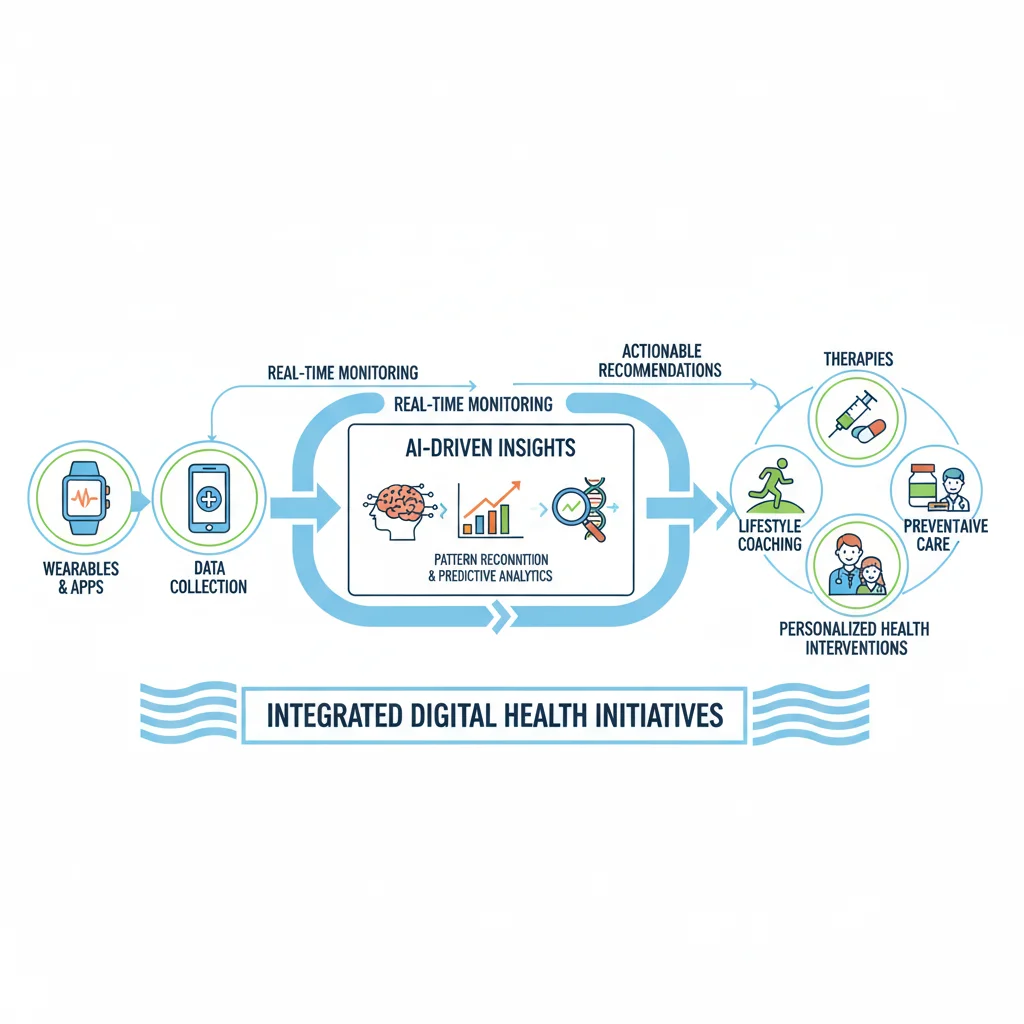
RPM systems have emerged as a game-changer, especially for individuals managing chronic conditions such as diabetes, hypertension, and heart disease. These systems utilize wearable devices, smart sensors, and connected health equipment to continuously collect vital health data – blood pressure, glucose levels, heart rate, oxygen saturation – from patients in their homes. This data is then transmitted securely to healthcare providers, who can monitor trends, detect early warning signs of deterioration, and intervene proactively. The ability to track health metrics in real-time allows for timely adjustments to medication or lifestyle, significantly reducing the likelihood of acute exacerbations that often lead to emergency room visits and hospitalizations. The CDC report specifically praises the role of RPM in empowering patients with greater control over their health, fostering a sense of partnership with their care teams.
AI-Powered Predictive Analytics and Early Warning Systems
Behind the scenes, sophisticated AI-powered predictive analytics engines are playing a crucial role. These systems analyze vast datasets, including electronic health records (EHRs), demographic information, and even social determinants of health, to identify individuals at high risk of developing severe conditions or requiring hospitalization. By flagging these at-risk patients, healthcare providers can initiate targeted preventative interventions, such as intensified case management, educational programs, or closer monitoring. This proactive approach, driven by intelligent data analysis, represents a paradigm shift from reactive care to predictive health management, proving to be a cornerstone of successful Digital Health Initiatives.
Personalized Health Apps and Digital Therapeutics
Beyond traditional medical interventions, a new wave of personalized health apps and digital therapeutics (DTx) has empowered individuals to take a more active role in their health. These applications offer tailored advice, behavioral coaching, medication reminders, and even deliver clinically validated therapeutic interventions for conditions ranging from anxiety and depression to insomnia and substance abuse. The accessibility and user-friendliness of these tools foster greater adherence to treatment plans and promote healthier lifestyle choices, thereby reducing the incidence of conditions that might otherwise lead to hospitalization. The CDC report emphasizes the importance of these patient-facing tools in fostering self-efficacy and sustained engagement in health management.

The Impact on Preventable Hospitalizations: A Deeper Dive
The 5% reduction in preventable hospitalizations is not uniform across all categories or demographics. The CDC’s detailed analysis provides invaluable insights into where Digital Health Initiatives have made the most significant impact.
Chronic Disease Management
The most pronounced effects have been observed in the management of chronic diseases. Conditions like congestive heart failure, chronic obstructive pulmonary disease (COPD), and diabetes often lead to frequent hospitalizations due to acute exacerbations. With RPM and virtual check-ins, patients with these conditions are experiencing fewer crises. For example, continuous glucose monitoring linked to a healthcare provider’s dashboard allows for immediate adjustments in insulin dosages, preventing hyperglycemic or hypoglycemic emergencies. Similarly, daily weight monitoring for heart failure patients can signal fluid retention before it becomes critical, prompting diuretic adjustments and avoiding a hospital stay. The proactive nature of these Digital Health Initiatives has proven incredibly effective.
Access to Care in Rural and Underserved Areas
One of the most profound societal benefits highlighted by the CDC is the improved access to care for populations in rural and medically underserved areas. Historically, these communities have faced significant barriers to accessing specialized medical care, leading to delayed diagnoses and more severe health outcomes. Telemedicine has bridged this gap, bringing specialist consultations directly into patients’ homes or local clinics. This enhanced accessibility means that conditions are managed earlier, preventative screenings are more common, and ongoing care is more consistent, all contributing to a reduction in preventable hospitalizations that disproportionately affected these communities in the past.
Mental Health and Behavioral Health Support
The report also points to a positive impact on mental and behavioral health. Digital therapeutics and virtual therapy sessions have made mental health support more accessible and less stigmatizing. Early intervention for mental health crises and consistent management of conditions like depression and anxiety through digital platforms have reduced the need for psychiatric hospitalizations, which are often preventable with timely support. The integration of mental health support within broader Digital Health Initiatives ensures a holistic approach to patient well-being.
Public Health Surveillance and Response
Beyond individual patient care, digital health tools have significantly bolstered public health surveillance capabilities. Automated reporting from integrated health systems allows the CDC and local health departments to track disease outbreaks, monitor population health trends, and respond more rapidly to emerging health threats. This enhanced surveillance capacity, while not directly reducing individual hospitalizations, contributes to overall public health stability and prevents widespread health crises that could overwhelm hospital systems.
Challenges Overcome and Lessons Learned
The path to achieving this 5% reduction was not without its hurdles. The widespread adoption of Digital Health Initiatives required significant investment, policy adjustments, and overcoming resistance to change. The CDC report acknowledges these challenges and offers valuable lessons for future endeavors.
Interoperability and Data Security
Ensuring that different digital health systems could communicate with each other (interoperability) and maintaining robust data security and patient privacy were paramount. Significant efforts were made to develop standardized protocols and secure data exchange frameworks. The success of these initiatives hinged on building trust with patients regarding the safety of their health information.
Digital Literacy and Equity
Addressing the digital divide was another critical challenge. Not everyone has equal access to high-speed internet, smartphones, or the digital literacy needed to effectively use health apps. Programs were implemented to provide devices, internet access, and digital literacy training to underserved populations, ensuring that the benefits of Digital Health Initiatives were equitably distributed.
Provider Training and Adoption
Healthcare providers also required extensive training to effectively integrate digital tools into their practice workflows. Overcoming initial skepticism and demonstrating the tangible benefits of these technologies were key to widespread provider adoption. The CDC’s report emphasizes that the human element – skilled and empathetic healthcare professionals – remains indispensable, with technology serving as an enhancement, not a replacement.
Reimbursement Policies
Changes in healthcare reimbursement policies were crucial for incentivizing the use of telemedicine and RPM. Prior to 2026, many digital health services were not adequately reimbursed, hindering their widespread adoption. Policy adjustments to ensure fair compensation for virtual care and remote monitoring services played a significant role in accelerating the integration of Digital Health Initiatives into standard care models.
The Future of Public Health: Building on Digital Health Success
The 2026 CDC report is more than just a summary of past achievements; it’s a blueprint for the future of public health. The success of Digital Health Initiatives in reducing preventable hospitalizations opens doors to even more ambitious goals.
Expanding Personalized and Predictive Care
The focus will continue to shift towards hyper-personalized and predictive care models. As AI and machine learning technologies advance, they will become even more sophisticated in identifying individual risk factors and tailoring preventative interventions. Imagine a future where your wearable device not only tracks your vital signs but also, in conjunction with AI, predicts your likelihood of developing a certain condition months in advance, prompting personalized preventative actions.
Integration with Social Determinants of Health
Future Digital Health Initiatives will increasingly integrate data related to social determinants of health – factors like housing stability, food security, transportation, and education. By understanding these broader influences on health, digital tools can help connect individuals with community resources, addressing root causes of poor health that often lead to preventable hospitalizations. This holistic approach recognizes that health extends far beyond the clinic walls.
Global Health Applications
The lessons learned from the domestic success of these initiatives can be applied on a global scale. Developing countries, often lacking extensive physical healthcare infrastructure, stand to benefit immensely from scalable digital health solutions that can deliver care and preventative services to remote populations. The 2026 report serves as a powerful case study for international public health organizations.
Continuous Innovation and Adaptation
The landscape of digital health is constantly evolving. Continuous innovation, research, and adaptation will be crucial to maintaining and enhancing the gains achieved. This includes exploring new technologies like virtual reality for therapy, advanced haptic feedback for remote examinations, and even more seamless integration of health data across various platforms.
Conclusion: A Healthier Tomorrow, Digitally Enabled
The CDC’s 2026 report marks a significant turning point, affirming the profound impact of Digital Health Initiatives on public health. The 5% decrease in preventable hospitalizations is not just a statistic; it represents a tangible improvement in the quality of life for millions, a reduction in the strain on healthcare systems, and a powerful validation of technology’s role in fostering a healthier society. As we look ahead, the continued evolution and strategic implementation of digital health solutions promise an even brighter future, one where proactive care, accessibility, and patient empowerment are at the forefront of our collective health endeavors. The journey has just begun, and the potential for digital health to transform lives is boundless.
Author