MedTech Supply Chain Resilience: US Manufacturers See 15% Component Availability Boost

Anúncios
MedTech Supply Chain Resilience: US Manufacturers Report 15% Improvement in Component Availability Since January 2026
Anúncios
Anúncios
The United States MedTech industry has faced unprecedented challenges over the past few years, from global pandemics disrupting logistics to geopolitical tensions impacting raw material access. However, recent reports paint a promising picture of enhanced resilience and strategic adaptation. US MedTech manufacturers are now celebrating a significant milestone: a 15% improvement in component availability since January 2026. This remarkable turnaround highlights the effectiveness of proactive measures, technological investments, and collaborative efforts across the sector, underscoring a robust evolution in MedTech Supply Chain management.
The Genesis of a Crisis: Why MedTech Supply Chains Were Vulnerable
Before delving into the improvements, it’s crucial to understand the vulnerabilities that plagued the MedTech Supply Chain. Historically, the MedTech industry, like many others, optimized for cost-efficiency, often leading to a reliance on single-source suppliers and just-in-time inventory models. While efficient in stable times, this approach proved fragile when faced with large-scale disruptions. The COVID-19 pandemic exposed these weaknesses brutally, leading to severe shortages of critical components, extended lead times, and skyrocketing costs. Manufacturers struggled to produce essential medical devices, impacting patient care and national health security. The initial shock sent ripples through the entire ecosystem, from raw material extraction to final product delivery. The dependence on a few geographical regions for specialized components, particularly in Asia, became a significant bottleneck. Furthermore, a lack of transparency across the multi-tiered supply network made it difficult for manufacturers to quickly identify and mitigate risks. Understanding these foundational issues was the first step towards building a more resilient MedTech Supply Chain.
The challenges were multifaceted, encompassing not just the availability of physical components but also the logistical nightmares of transportation, customs delays, and a global shortage of shipping containers. Labor shortages at various points in the supply chain, from factory floors to ports, further exacerbated the situation. The regulatory landscape, while essential for patient safety, also added layers of complexity, making rapid pivots in sourcing or manufacturing processes difficult without extensive validation. Companies found themselves caught between the urgent need to maintain production and the stringent requirements of medical device quality and compliance. This period served as a harsh but invaluable lesson, prompting a collective re-evaluation of how the MedTech Supply Chain should be structured and managed for future stability and growth.
Strategic Shifts: How Manufacturers Achieved a 15% Improvement
The reported 15% improvement in component availability is not a stroke of luck but the result of deliberate, strategic shifts implemented by US MedTech manufacturers. These strategies can be broadly categorized into diversification, digitalization, localization, and collaboration.
1. Diversification of Sourcing and Suppliers
A primary lesson learned was the danger of single-source reliance. Manufacturers aggressively pursued diversification strategies, identifying multiple qualified suppliers for critical components, often across different geographic regions. This ‘multi-sourcing’ approach reduces the impact of disruptions affecting any single supplier or region. Furthermore, companies began investing in ‘dual-sourcing’ or ‘triple-sourcing’ for the most vital parts, ensuring redundancy. This strategic move, while potentially increasing initial procurement costs, has proven invaluable in maintaining production continuity. Building robust relationships with a broader network of suppliers has also fostered greater flexibility and responsiveness within the MedTech Supply Chain.
2. Digital Transformation and Advanced Analytics
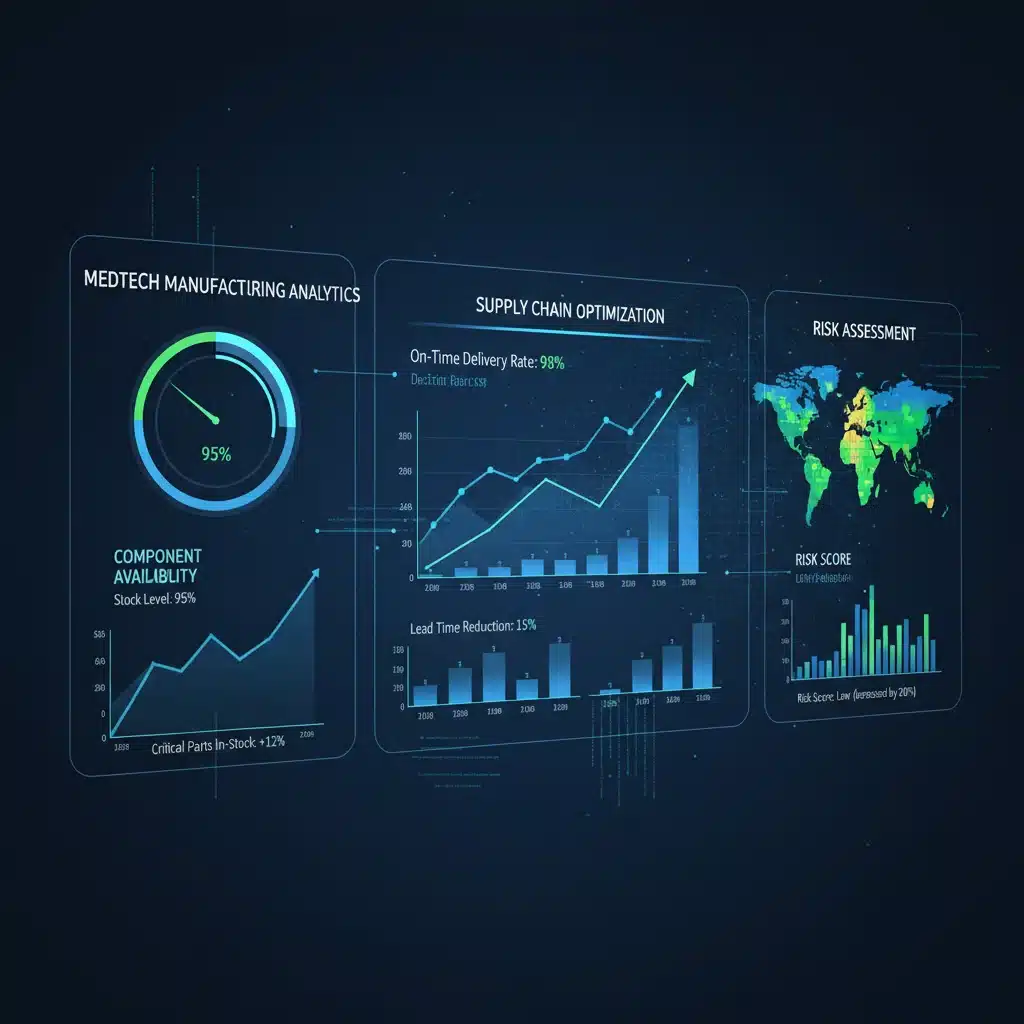
The adoption of advanced digital tools has been a game-changer. Manufacturers are increasingly leveraging AI, machine learning, and big data analytics to gain real-time visibility into their supply chains. Predictive analytics help anticipate potential disruptions, such as raw material shortages or logistical bottlenecks, allowing for proactive mitigation. Blockchain technology is also being explored to enhance transparency and traceability of components from origin to assembly. Digital twins of supply chains enable simulation of various disruption scenarios, helping companies stress-test their resilience plans and optimize inventory levels. This digital overhaul is transforming the traditional MedTech Supply Chain into an intelligent, adaptive network.
3. Localization and Regionalization of Manufacturing
While global supply chains offer cost advantages, the pandemic highlighted the strategic importance of proximity. Many US MedTech manufacturers have initiated or accelerated efforts to localize or regionalize aspects of their production. This includes bringing critical manufacturing processes back to the US or closer to home (nearshoring) and establishing regional hubs. The benefits extend beyond reduced lead times and shipping costs; it also enhances control over quality, intellectual property, and compliance. Government incentives and a renewed focus on national security in critical sectors have further propelled this trend, strengthening the domestic MedTech Supply Chain ecosystem.
4. Enhanced Collaboration and Information Sharing
Collaboration, both within the industry and with external partners, has been instrumental. MedTech companies are engaging in more open communication with their suppliers, sharing demand forecasts and long-term plans to enable better planning. Industry consortia and government-led initiatives have facilitated knowledge sharing on best practices for supply chain resilience. Furthermore, partnerships with logistics providers have become more strategic, moving beyond transactional relationships to collaborative efforts aimed at optimizing transportation networks and warehousing. This spirit of cooperation is building a more interconnected and resilient MedTech Supply Chain community.
5. Inventory Optimization and Strategic Stockpiling
The ‘just-in-time’ model is being re-evaluated, with many manufacturers moving towards ‘just-in-case’ strategies for critical components. This involves strategic stockpiling of essential parts, building buffer inventories to absorb minor disruptions without halting production. While this incurs higher carrying costs, the cost of production stoppages and lost market share far outweighs it. Advanced inventory management systems, often powered by AI, help determine optimal buffer levels, balancing cost-efficiency with resilience needs. This nuanced approach to inventory management is a vital aspect of strengthening the MedTech Supply Chain.
Key Technologies Driving MedTech Supply Chain Resilience
The transformation of the MedTech Supply Chain is inextricably linked to technological innovation. Beyond general digitalization, specific technologies are playing a pivotal role:
- Internet of Things (IoT): IoT sensors embedded in components, equipment, and logistics assets provide real-time data on location, condition, and environmental factors. This allows for proactive monitoring and intervention, preventing spoilage or damage to sensitive medical components.
- Artificial Intelligence (AI) and Machine Learning (ML): AI/ML algorithms are used for demand forecasting, identifying supply chain risks, optimizing routes, and even automating quality control processes. They can analyze vast datasets to uncover patterns and predict future scenarios with higher accuracy than traditional methods.
- Blockchain: While still nascent in widespread adoption, blockchain offers immutable, transparent records of transactions and component provenance. This can significantly enhance traceability, combat counterfeiting, and streamline regulatory compliance within the MedTech Supply Chain.
- Additive Manufacturing (3D Printing): 3D printing provides an agile solution for on-demand production of certain components or prototypes, reducing reliance on traditional manufacturing lead times and offering a localized production option in times of crisis.
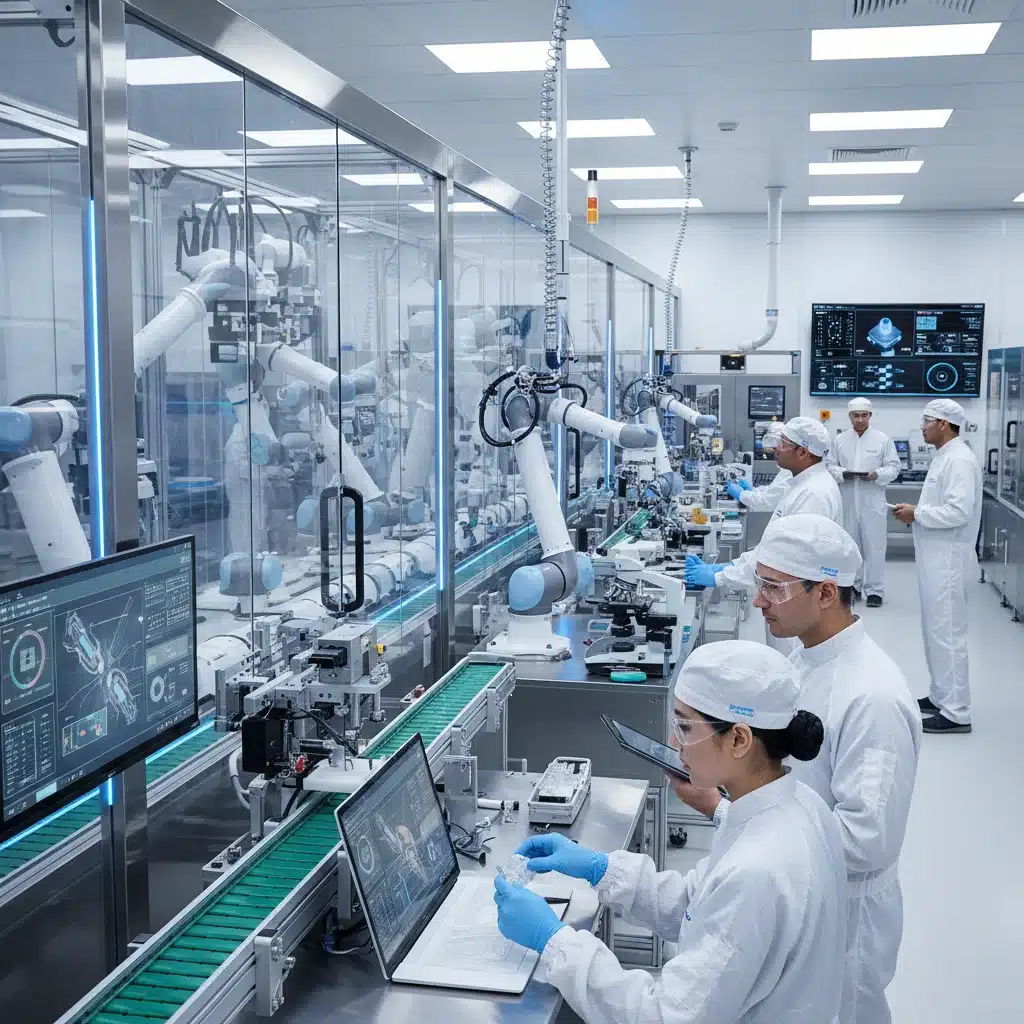
- Robotics and Automation: Automated warehouses, robotic process automation (RPA) for administrative tasks, and automated production lines improve efficiency, reduce human error, and enhance the speed and consistency of operations across the MedTech Supply Chain.
Impacts of Improved Component Availability
The 15% improvement in component availability has far-reaching positive impacts across the MedTech ecosystem and beyond:
1. Enhanced Production Stability and Output
With more reliable access to components, manufacturers can maintain consistent production schedules, reducing delays and backlogs. This leads to higher output of essential medical devices, ensuring that healthcare providers have the tools they need to diagnose, treat, and care for patients. This stability is crucial for long-term business planning and investment in the MedTech Supply Chain.
2. Reduced Costs and Improved Profitability
While some resilience strategies involve upfront investments, the long-term cost savings from fewer production stoppages, reduced expedited shipping fees, and more predictable pricing from diversified suppliers are significant. Improved component availability minimizes waste due to obsolescence or damage during prolonged storage, contributing to better overall profitability for MedTech companies.
3. Greater Market Competitiveness and Innovation
Companies with resilient supply chains are better positioned to respond to market demands and introduce new products. The ability to source components reliably allows R&D teams to innovate without the constant fear of supply constraints, fostering a more dynamic and competitive MedTech landscape. This ensures that the US remains at the forefront of medical technology development, supported by a strong MedTech Supply Chain.
4. Improved Patient Outcomes and Public Health Security
Ultimately, the most critical impact is on patient care. Consistent availability of medical devices, from diagnostic equipment to surgical instruments and implantable devices, directly translates to better patient outcomes. A resilient MedTech Supply Chain ensures that hospitals and clinics are well-stocked, enabling timely interventions and treatments, thereby bolstering overall public health security and preparedness for future health crises.
Challenges Remaining and The Road Ahead for MedTech Supply Chain
Despite the remarkable progress, the journey towards a fully optimized and impervious MedTech Supply Chain is ongoing. Several challenges persist:
- Rising Geopolitical Tensions: The global political landscape remains volatile, with potential for trade disputes, sanctions, and conflicts that can quickly disrupt international supply routes and access to critical materials.
- Cybersecurity Risks: Increased digitalization brings heightened cybersecurity risks. A breach in a supplier’s IT system or within a logistics network could severely impact operations and data integrity across the MedTech Supply Chain.
- Sustainability Pressures: There’s growing pressure to make supply chains more environmentally sustainable. Balancing resilience with green initiatives, such as reducing carbon footprint and managing waste, presents a complex challenge.
- Talent Shortages: The need for skilled professionals in supply chain management, data analytics, and advanced manufacturing continues to outpace availability, posing a constraint on further improvements.
- Regulatory Complexity: Navigating diverse international regulations for sourcing, manufacturing, and distribution remains a significant hurdle, requiring continuous adaptation and expertise.
The road ahead for the MedTech Supply Chain will involve continuous innovation, adaptive strategies, and a proactive approach to risk management. Further investment in AI-driven predictive capabilities, enhanced cross-sector collaboration, and the development of a skilled workforce will be crucial. The industry must also remain agile, ready to pivot in response to unforeseen global events, while consistently striving for greater transparency and ethical sourcing practices. The goal is not just to react to disruptions but to anticipate and prevent them, building a truly future-proof supply chain that can withstand any challenge.
Conclusion: A New Era of Resilience for US MedTech
The reported 15% improvement in component availability since January 2026 is a testament to the unwavering commitment and strategic ingenuity of US MedTech manufacturers. It marks a pivotal moment, signaling a new era of resilience and adaptability for the sector. Through concerted efforts in diversification, digital transformation, localization, and collaboration, the industry has not only recovered from past shocks but has emerged stronger and more prepared for future uncertainties. This enhanced MedTech Supply Chain resilience is not merely an operational achievement; it is a critical enabler of innovation, economic stability, and, most importantly, superior patient care across the nation and globally. The lessons learned and the strategies implemented will undoubtedly serve as a blueprint for other industries striving to build more robust and sustainable supply chains in an increasingly complex world.
Author