Advanced Medical Device Training: Educational Pathways for U.S. Technicians by 2027
The landscape of healthcare technology is evolving at an unprecedented pace, driven by innovations in artificial intelligence, robotics, telemedicine, and personalized medicine. At the heart of this transformation are medical devices – intricate instruments that diagnose, treat, and monitor patients, often making the difference between life and death. As these devices become more sophisticated, so too does the need for highly skilled professionals to install, maintain, troubleshoot, and repair them. For U.S. technicians, embracing advanced medical device training is not just an option but a critical imperative for career growth and ensuring optimal patient care. By 2027, the demand for specialized technicians will have surged, making targeted educational pathways more vital than ever.
This comprehensive guide delves into the essential educational pathways, certifications, and specialized programs designed to equip U.S. technicians with the expertise needed to excel in this dynamic field. We will explore the current state of the industry, project future demands, and outline actionable steps for technicians looking to advance their careers through cutting-edge medical device training.
Anúncios
Anúncios
The Evolving Role of Medical Device Technicians
Gone are the days when a general understanding of electronics sufficed for medical equipment repair. Today’s medical devices are complex ecosystems integrating mechanical, electrical, software, and biological components. From advanced imaging systems like MRI and CT scanners to robotic surgical platforms, implantable devices, and sophisticated laboratory equipment, each category requires specialized knowledge. The role of a medical device technician, often known as a Biomedical Equipment Technician (BMET) or Clinical Engineering Technician, has expanded significantly.
Modern technicians must not only possess technical prowess but also a deep understanding of regulatory compliance (e.g., FDA regulations), cybersecurity protocols, network integration, and patient safety standards. The increasing connectivity of medical devices, often part of hospital networks and Electronic Health Records (EHR) systems, introduces new challenges and demands for IT-savvy professionals. Therefore, comprehensive medical device training must now encompass a broader spectrum of skills than ever before.
Projected Demand and Industry Trends by 2027
Several factors are fueling the growing demand for skilled medical device technicians:
- Aging Population: The increasing global elderly population drives higher demand for medical services and, consequently, medical devices for diagnosis, treatment, and long-term care.
- Technological Advancements: Continuous innovation introduces new, more complex devices that require specialized expertise for installation, maintenance, and repair.
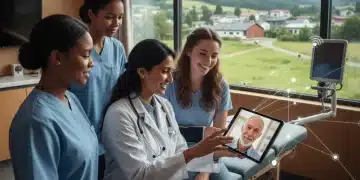
- Telemedicine and Remote Monitoring: The proliferation of connected health devices and remote patient monitoring systems necessitates technicians skilled in network infrastructure and data security.
- Preventive Maintenance: Healthcare providers are increasingly focusing on preventive maintenance to extend device lifespan, reduce downtime, and ensure patient safety, creating a consistent need for skilled technicians.
- Regulatory Compliance: Strict regulatory environments, particularly in the U.S. with the FDA, require technicians to be well-versed in compliance standards, documentation, and quality assurance.
According to various industry reports, the employment of medical equipment repairers is projected to grow significantly over the next decade, much faster than the average for all occupations. This growth underscores the critical need for robust and accessible medical device training programs.
Foundational Educational Pathways for Aspiring Technicians
For individuals entering the field, a strong educational foundation is paramount. Typically, this begins with:
1. Associate’s Degree in Biomedical Equipment Technology (BMET)
An Associate of Applied Science (A.A.S.) in BMET is the most common entry point. These programs typically cover:
- Electronics and circuit theory
- Anatomy and physiology
- Medical terminology
- Digital systems and networking
- Preventive maintenance and troubleshooting
- Safety protocols and regulatory standards
- Hands-on experience with various medical devices
Many community colleges and technical schools offer these programs, providing a solid theoretical and practical base for a career in medical device maintenance and repair. This foundational medical device training is crucial for understanding the basic principles before specializing.
2. Bachelor’s Degree in Biomedical Engineering Technology or Clinical Engineering
While an associate’s degree is often sufficient for entry-level positions, a bachelor’s degree can open doors to more advanced roles, including supervisory positions, clinical engineering management, or specialized R&D support. These programs delve deeper into:
- Advanced medical instrumentation
- Biomaterials and biomechanics
- Medical imaging systems
- Healthcare informatics
- Project management
- Quality control and assurance
A bachelor’s degree provides a more comprehensive understanding of the engineering principles behind medical devices and prepares technicians for roles requiring greater analytical and problem-solving skills, further enhancing their medical device training.
Advanced Medical Device Training: Specializations and Certifications
As technicians gain experience, specialization becomes key to career advancement. The industry recognizes several certifications that validate expertise in specific areas, making advanced medical device training a continuous journey.
1. Certified Biomedical Equipment Technician (CBET)
Offered by the Association for the Advancement of Medical Instrumentation (AAMI) through the Board of Examiners for Biomedical Equipment Technicians (ICC-BET), the CBET certification is widely recognized as the gold standard for BMET professionals. It demonstrates a broad understanding of medical equipment technology and management. Eligibility typically requires a combination of education and work experience.
2. Certified Radiology Equipment Specialist (CRES)
For technicians specializing in diagnostic imaging equipment (X-ray, CT, MRI, ultrasound), the CRES certification is invaluable. This credential, also offered by AAMI, validates expertise in the installation, maintenance, and repair of complex radiology systems. Given the high cost and critical nature of these devices, CRES-certified technicians are in high demand.
3. Certified Laboratory Equipment Specialist (CLES)
With the increasing automation in clinical laboratories, the CLES certification (AAMI) targets technicians who maintain and calibrate laboratory equipment, such as blood analyzers, centrifuges, and microscopes. This specialization is crucial for ensuring accurate diagnostic testing.
4. Vendor-Specific Training and Certifications
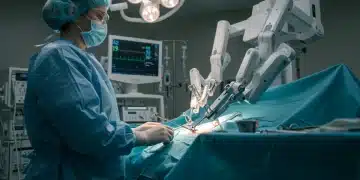
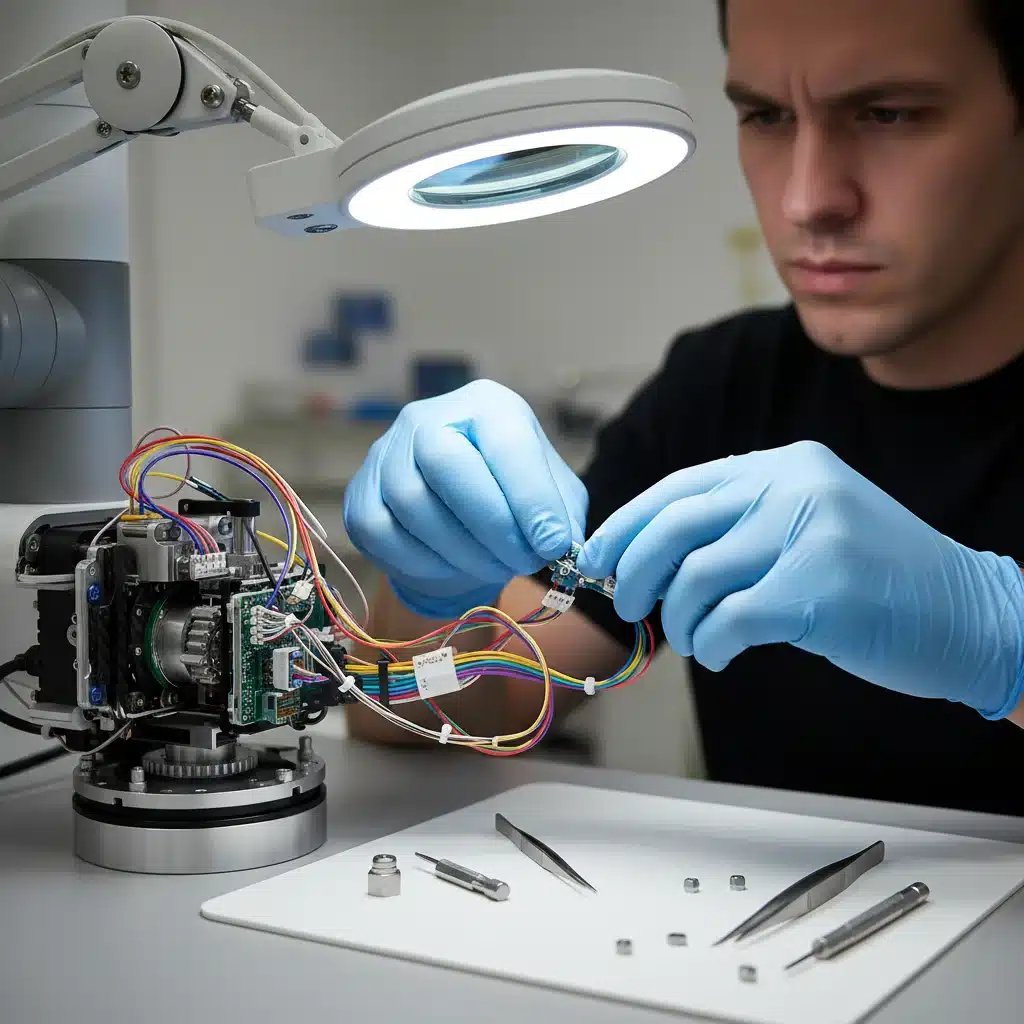
Many leading medical device manufacturers (e.g., Siemens Healthineers, GE Healthcare, Philips, Medtronic) offer proprietary training programs and certifications for their specific product lines. These courses are often highly technical and provide in-depth knowledge of particular devices, such as surgical robots (e.g., da Vinci Surgical System), advanced patient monitoring systems, or specialized anesthesia machines. Employers highly value these certifications as they ensure technicians can work effectively with the latest equipment.
Emerging Areas for Specialized Medical Device Training by 2027
Looking towards 2027, several emerging technologies will necessitate new specialized medical device training pathways:
1. Cybersecurity for Medical Devices
As medical devices become more connected, they also become potential targets for cyberattacks. Technicians will need training in:
- Network security protocols specific to healthcare environments.
- Vulnerability assessment and risk management for medical devices.
- Compliance with HIPAA and other data privacy regulations.
- Incident response and recovery strategies for device breaches.
This is a rapidly growing area, and specialized courses or certifications in healthcare cybersecurity will be highly sought after.
2. Artificial Intelligence (AI) and Machine Learning (ML) Integration
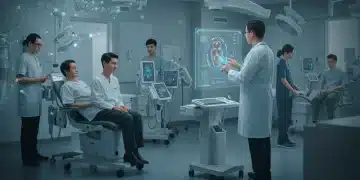
AI and ML are increasingly integrated into diagnostic tools, imaging analysis, and even surgical planning. Technicians will require training to understand:
- How AI algorithms function within devices.
- Data integrity and calibration for AI-driven systems.
- Troubleshooting AI-related software issues.
Understanding these advanced concepts will be crucial for effective maintenance and calibration of future medical devices.
3. Robotics and Automation
Beyond surgical robots, automation is impacting laboratory diagnostics, pharmacy operations, and patient logistics. Technicians will need specialized medical device training in:
- Robotics mechanics and programming.
- Sensor technologies and control systems.
- Integration of robotic systems with existing hospital infrastructure.
4. Telehealth and Remote Service Technologies
The shift towards telehealth means more devices are being used remotely, often outside traditional clinical settings. Technicians must be proficient in:
- Remote diagnostics and troubleshooting.
- Secure data transmission and connectivity.
- Support for patients and clinicians using remote monitoring equipment.
The Importance of Continuous Learning and Professional Development
The rapid pace of technological change in the medical device industry means that initial training, no matter how comprehensive, will quickly become outdated without continuous learning. Professional development is not a one-time event but an ongoing commitment. Technicians should actively engage in:
- Workshops and Seminars: Attending industry conferences (e.g., AAMI Exchange, MD&M) and manufacturer-led workshops to stay abreast of new technologies and best practices.
- Online Courses and Webinars: Many organizations and universities offer online modules that allow for flexible learning in specialized areas.
- Professional Associations: Joining organizations like AAMI provides access to resources, networking opportunities, and discounted training.
- Mentorship: Learning from experienced professionals can offer invaluable insights and practical knowledge not always found in formal courses.
- Self-Study: Regularly reading industry journals, technical manuals, and white papers to keep knowledge current.
Embracing a mindset of lifelong learning is perhaps the most critical component of advanced medical device training.
Practical Steps for U.S. Technicians to Advance Their Careers
For U.S. technicians aiming to be at the forefront of medical device technology by 2027, here are actionable steps:
1. Assess Your Current Skill Set and Career Goals
Identify areas where your knowledge might be lacking or where you wish to specialize. Do you want to work with cutting-edge imaging equipment, surgical robotics, or perhaps focus on the cybersecurity aspects of medical devices? Your career aspirations should guide your training choices.
2. Research Accredited Programs and Institutions
Look for programs accredited by recognized bodies. For example, some biomedical engineering technology programs are accredited by ABET (Accreditation Board for Engineering and Technology). Ensure the institution has strong industry ties, modern lab facilities, and experienced instructors. Many universities and technical colleges offer excellent medical device training programs.
3. Pursue Relevant Certifications
Prioritize certifications like CBET, CRES, or CLES based on your specialization. These credentials significantly boost your credibility and marketability. Plan your study schedule and leverage available resources for exam preparation.
4. Engage in Manufacturer-Specific Training
If you work with particular brands of equipment, proactively seek out training opportunities directly from the manufacturers. These are often the most direct routes to gaining expertise on specific, high-value devices. Many manufacturers offer comprehensive medical device training packages.
5. Network Within the Industry
Attend industry events, join professional forums, and connect with other technicians, clinical engineers, and healthcare professionals. Networking can lead to mentorship opportunities, job leads, and insights into emerging trends and training needs.
6. Develop Soft Skills
Beyond technical expertise, soft skills are increasingly important. These include problem-solving, critical thinking, communication, teamwork, and adaptability. Technicians often interact with clinicians, nurses, and patients, making strong interpersonal skills essential. Effective communication is a vital part of advanced medical device training.
Challenges and Opportunities in Medical Device Training
While the opportunities are vast, the path to advanced medical device expertise is not without its challenges. The high cost of specialized equipment for training, the rapid obsolescence of technology, and the need for qualified instructors are significant hurdles. However, these challenges also present opportunities:
- Virtual and Augmented Reality (VR/AR) Training: These technologies can simulate complex device environments, offering hands-on experience without the need for expensive physical equipment, making advanced medical device training more accessible.
- Blended Learning Models: Combining online theoretical instruction with in-person practical lab sessions can optimize learning and resource utilization.
- Industry-Academia Partnerships: Collaborations between educational institutions and medical device manufacturers can ensure that curricula remain current and that students have access to the latest equipment and industry insights.
- Government Funding and Grants: Increased investment in workforce development programs can help subsidize training costs and expand access to specialized education.
Addressing these challenges proactively will be key to developing a robust pipeline of highly qualified medical device technicians for the future.
Conclusion: Securing the Future of Healthcare through Advanced Training
The future of healthcare in the U.S. is inextricably linked to the reliability and performance of its medical technology. As devices become more advanced and integrated, the demand for technicians with specialized medical device training will only intensify. By 2027, those who have proactively pursued advanced certifications, embraced emerging technologies, and committed to continuous learning will be the most sought-after professionals in the field.
For aspiring and current U.S. technicians, investing in comprehensive and specialized medical device training is an investment in a resilient, high-demand career. It’s about more than just fixing machines; it’s about ensuring patient safety, optimizing healthcare delivery, and contributing to the technological advancements that define modern medicine. The pathways are clear, the opportunities are abundant, and the time to act is now to shape a healthier future.