
Policy Watch: New Bipartisan Bill Aims to Increase Federal Funding for Rural Telemedicine by 20% in 2027
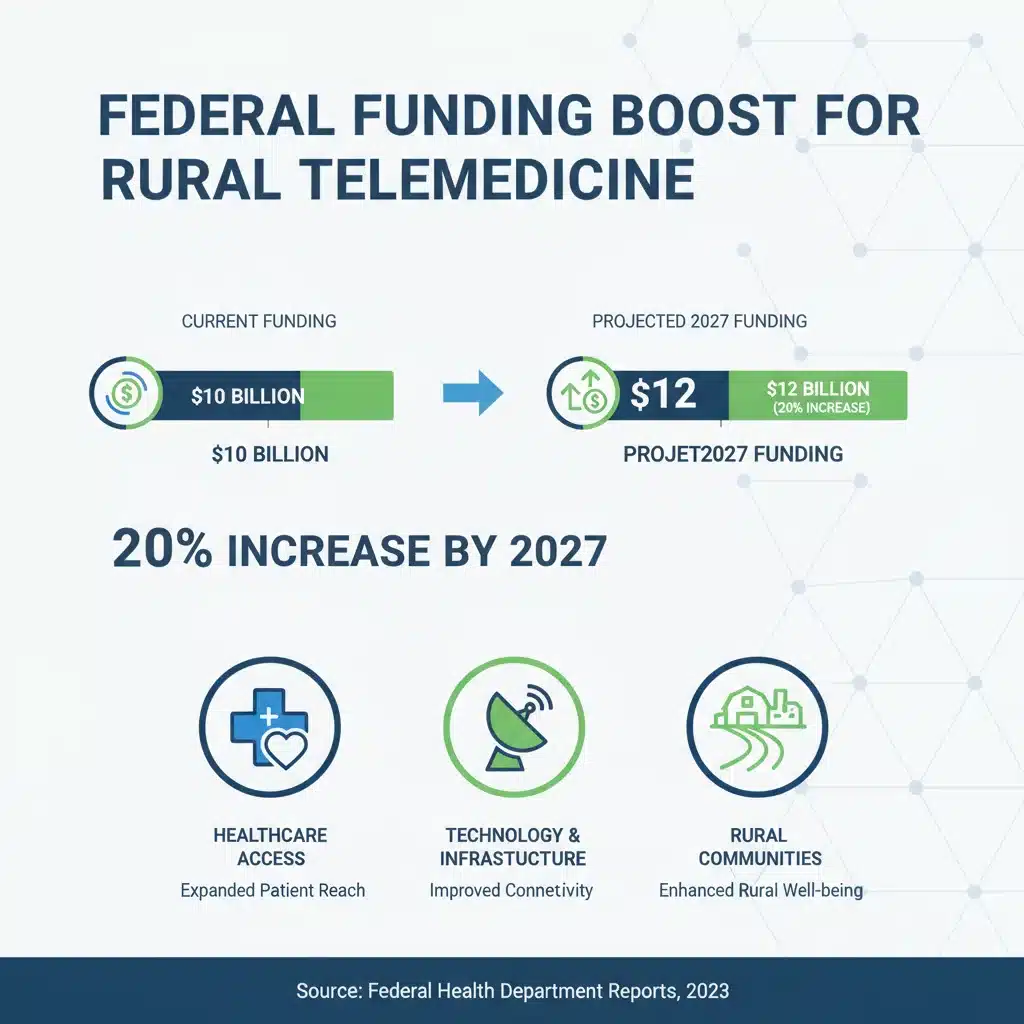
In a significant development for healthcare access across the United States, a groundbreaking bipartisan bill has been introduced with the ambitious goal of increasing federal funding for rural telemedicine by an impressive 20% by the year 2027. This legislative effort underscores a growing recognition of the critical role that telehealth plays in addressing healthcare disparities in underserved rural communities. The proposed increase in rural telemedicine funding is poised to revolutionize how millions of Americans access vital medical services, bridging geographical gaps and ensuring more equitable healthcare outcomes. This article delves into the intricacies of this new bill, exploring its potential impact, the challenges it seeks to overcome, and the broader implications for the future of healthcare in rural America.
Anúncios
Anúncios
The Dire Need for Enhanced Rural Telemedicine Funding
Rural communities across the United States face persistent challenges in accessing adequate healthcare. Factors such as a shortage of healthcare professionals, long travel distances to medical facilities, and limited specialized services often leave rural residents with fewer options than their urban counterparts. These disparities contribute to poorer health outcomes, higher rates of chronic diseases, and reduced life expectancy in many rural areas. Telemedicine has emerged as a powerful solution to these challenges, offering a means to deliver healthcare remotely through various technologies.
However, the full potential of telemedicine in rural settings has been hampered by insufficient infrastructure, a lack of consistent funding, and regulatory hurdles. Existing federal programs have made strides, but the scale of the problem demands a more robust and sustained investment. This new bipartisan bill directly addresses this need by proposing a substantial boost in rural telemedicine funding, signaling a concerted effort by policymakers to prioritize the health and well-being of rural Americans. The bill acknowledges that merely providing technology is not enough; comprehensive funding is required to support everything from broadband expansion to training healthcare providers and subsidizing patient access.
Historically, federal funding for telemedicine has been fragmented, often relying on temporary grants or pilot programs. While these initiatives have demonstrated the efficacy of telehealth, they have not provided the stable, long-term investment necessary for widespread adoption and sustainability. The proposed 20% increase by 2027 aims to shift this paradigm, establishing a more predictable and substantial funding stream that can support ongoing expansion and innovation in rural telemedicine. This commitment is vital for allowing rural healthcare systems to plan for the future, invest in necessary infrastructure, and attract the talent required to operate these advanced services effectively.
The economic implications of poor rural health are also significant. A healthier workforce in rural areas can boost local economies, reduce healthcare costs associated with preventable conditions, and improve overall community resilience. By investing in rural telemedicine funding, the bill is not just investing in healthcare; it’s investing in the economic vitality and social fabric of rural America. This holistic approach is crucial for understanding the multifaceted benefits that this legislation could bring.
Key Provisions of the Bipartisan Telemedicine Bill
The bipartisan bill, while still in its early stages of legislative process, outlines several key provisions designed to strategically increase and allocate rural telemedicine funding. Central to the bill is the mandate for a 20% increase in federal allocations specifically earmarked for telehealth services in rural areas by 2027. This increase is intended to be distributed through existing and new programs, ensuring a broad reach and addressing various aspects of telemedicine implementation.
One critical provision focuses on broadband infrastructure. Recognizing that reliable internet access is the backbone of effective telemedicine, a portion of the increased funding will be directed towards expanding high-speed internet services in underserved rural regions. This includes grants for internet service providers and community initiatives to build out necessary infrastructure. Without robust broadband, even the most advanced telemedicine technologies remain inaccessible. This foundational investment is a testament to the bill’s comprehensive approach to addressing the barriers to rural healthcare access.
Another significant aspect of the bill involves provider training and support. The legislation proposes funding for training programs to equip rural healthcare professionals with the skills and knowledge needed to effectively utilize telemedicine platforms. This includes training on new technologies, best practices for remote consultations, and understanding the regulatory landscape. Furthermore, the bill aims to provide financial incentives for healthcare providers to establish or expand telemedicine services in rural areas, helping to attract and retain talent in these often-understaffed regions. This focus on human capital is just as important as the technological investment.
The bill also addresses reimbursement parity, a long-standing issue in telemedicine. It seeks to ensure that telehealth services are reimbursed at rates comparable to in-person visits, removing a major financial disincentive for healthcare providers to adopt telemedicine. This parity is crucial for the financial sustainability of rural clinics and hospitals that wish to integrate telemedicine into their regular operations. Without equitable reimbursement, the expansion of rural telemedicine funding would have a limited impact on the actual delivery of care.
Furthermore, the legislation emphasizes the importance of data collection and evaluation. A portion of the funding will be allocated to research and analysis to assess the effectiveness of expanded telemedicine services, identify best practices, and continuously refine strategies to improve rural healthcare outcomes. This commitment to evidence-based policymaking ensures that the investment in rural telemedicine funding is not only substantial but also continually optimized for maximum impact. The bill also looks at patient education and outreach, recognizing that even with increased access, patients need to be aware of and comfortable using these new services.
Potential Impact on Rural Healthcare Access and Quality
The proposed 20% increase in rural telemedicine funding has the potential to bring about transformative changes in rural healthcare access and quality. By addressing the core challenges of infrastructure, provider capacity, and financial sustainability, the bill could significantly improve the health landscape for millions of rural Americans.
Firstly, enhanced access to specialists will be a major benefit. Rural areas often lack specialists in fields such as cardiology, neurology, mental health, and oncology. Telemedicine allows rural patients to consult with specialists located in urban centers without the need for arduous travel. This not only saves time and money for patients but also ensures timely access to expert care that could be life-saving. For instance, a patient in a remote town can have a virtual consultation with a leading cardiologist, receiving a diagnosis and treatment plan without ever leaving their community. This dramatically reduces the burden on patients and their families.
Secondly, the bill is expected to improve access to mental health services. Mental health is a critical concern in rural areas, where stigma, lack of providers, and geographical barriers often prevent individuals from seeking help. Tele-mental health services can provide discreet, convenient, and effective care, helping to address the growing mental health crisis in rural communities. The increased rural telemedicine funding will facilitate the expansion of these vital services, making it easier for individuals to connect with therapists, psychiatrists, and counselors from the comfort of their homes.

Thirdly, chronic disease management will become more accessible and efficient. Telemedicine enables remote monitoring, virtual check-ups, and regular consultations for patients with chronic conditions like diabetes, hypertension, and heart disease. This proactive approach can lead to better disease control, fewer hospitalizations, and improved quality of life. The consistent engagement facilitated by telemedicine can empower patients to take a more active role in managing their health, supported by their healthcare team, which is a major benefit of increased rural telemedicine funding.
Moreover, the bill is likely to foster innovation in healthcare delivery. With increased funding, rural clinics and hospitals can experiment with new telemedicine technologies, implement cutting-edge virtual care models, and integrate AI-powered diagnostic tools. This innovation can lead to more personalized, efficient, and effective healthcare solutions tailored to the unique needs of rural populations. The flexibility in funding allocation will allow for pilot programs and research into what works best in specific rural contexts, ensuring that investments are impactful.
The ripple effect of improved rural healthcare extends beyond individual patients. Healthier communities are more productive, resilient, and attractive places to live and work. By strengthening the healthcare infrastructure through increased rural telemedicine funding, the bill contributes to the overall socio-economic development of rural America. It helps to create a virtuous cycle where better health leads to better economic opportunities, which in turn can further support healthcare investments.
Challenges and Considerations for Implementation
While the bipartisan bill represents a monumental step forward, its successful implementation will hinge on addressing several key challenges and considerations. The ambitious goal of increasing rural telemedicine funding by 20% by 2027 requires careful planning, coordination, and a proactive approach to potential roadblocks.
One primary challenge is ensuring equitable distribution of funds. It will be crucial to establish clear criteria and mechanisms to ensure that the increased funding reaches the most underserved rural areas and that smaller, independent clinics are not overlooked in favor of larger healthcare systems. Transparency in allocation and robust oversight will be essential to prevent disparities in funding distribution. The bill must define ‘rural’ broadly enough to encompass all areas truly in need, yet specifically enough to prevent urban or suburban areas from siphoning off funds intended for remote communities.
Another significant hurdle is the continued digital divide. Despite efforts to expand broadband, many remote rural areas still lack reliable internet access. Even with dedicated funding for infrastructure, building out broadband can be a time-consuming and expensive endeavor. The success of the increased rural telemedicine funding is intrinsically linked to the speed and effectiveness of broadband expansion. Policymakers must ensure that broadband initiatives are fast-tracked and prioritized in conjunction with telemedicine funding to maximize impact.
Cybersecurity and patient data privacy are also paramount concerns. As more health data is transmitted and stored digitally, robust cybersecurity measures are essential to protect patient information from breaches and unauthorized access. The bill must include provisions for cybersecurity best practices, training for healthcare providers on data protection, and investments in secure telemedicine platforms. Building patient trust in the security of their health information is critical for widespread adoption of telemedicine.
Furthermore, workforce development remains a challenge. While the bill includes provisions for provider training, ensuring a sufficient number of healthcare professionals are trained and willing to utilize telemedicine effectively will be ongoing. This includes addressing potential resistance to new technologies, providing continuous education, and integrating telemedicine into medical school curricula. The human element of telemedicine, the interaction between patient and provider, is just as crucial as the technology itself. Therefore, consistent investment in training and support for healthcare workers is a vital component of successful rural telemedicine funding initiatives.
The regulatory landscape for telemedicine also continues to evolve. While many pandemic-era waivers have become permanent, ongoing adjustments to state and federal regulations will be necessary to support the long-term growth of telemedicine. The bill should encourage regulatory flexibility and harmonization across states to facilitate seamless cross-state care, particularly relevant for patients in border communities. This legislative effort provides an excellent opportunity to streamline and modernize telemedicine regulations, making them more conducive to innovation and access in rural areas.
The Broader Implications for Healthcare Policy
The bipartisan bill to increase rural telemedicine funding by 20% by 2027 carries significant broader implications for national healthcare policy. It signals a bipartisan consensus on the importance of telehealth as a permanent fixture in the healthcare delivery system, moving beyond its emergency use during the pandemic to a foundational component of care.
This legislative action could serve as a blueprint for future healthcare investments, demonstrating how targeted funding can address specific disparities and improve outcomes for vulnerable populations. It highlights a shift towards preventative and proactive care models, where technology plays a central role in monitoring health and intervening early. By focusing on rural areas, the bill also underscores an equity-driven approach to healthcare, recognizing that geographical location should not dictate the quality or availability of medical services.
Moreover, the bill’s emphasis on data collection and evaluation could set a precedent for evidence-based policymaking in healthcare. By mandating regular assessments of telemedicine program effectiveness, it encourages accountability and ensures that federal dollars are spent wisely and achieve their intended impact. This commitment to continuous improvement is vital for the long-term success of any large-scale healthcare initiative, especially one involving substantial rural telemedicine funding.
The collaboration demonstrated by this bipartisan effort is also noteworthy. In an often-polarized political climate, the ability of lawmakers from both sides of the aisle to come together on an issue as critical as rural healthcare bodes well for future legislative successes. It suggests that common ground can be found when addressing fundamental needs that impact constituents across the political spectrum. This spirit of cooperation is essential for tackling complex national challenges, and the rural telemedicine funding bill could be a model for future legislative endeavors.
The bill also implicitly encourages technological innovation within the healthcare sector. By creating a more stable and robust funding environment for telemedicine, it incentivizes healthcare technology companies to develop more advanced, user-friendly, and secure platforms. This could lead to a wave of innovation that benefits not only rural communities but the entire healthcare system. The demand created by increased rural telemedicine funding will drive the market towards better solutions.
Finally, this legislation contributes to a national dialogue about what constitutes a comprehensive healthcare system in the 21st century. It reaffirms that access to care is a fundamental right, regardless of where one lives, and that technology can be a powerful equalizer. As healthcare continues to evolve, policies like this one will be crucial in shaping a future where high-quality medical services are within reach for all Americans, fostering a healthier, more connected nation.
Conclusion
The introduction of the bipartisan bill to increase federal funding for rural telemedicine by 20% in 2027 marks a pivotal moment for healthcare in America. It represents a significant commitment to addressing long-standing disparities in rural healthcare access, leveraging the power of technology to deliver vital medical services to underserved communities. By focusing on critical areas such as broadband infrastructure, provider training, reimbursement parity, and data-driven evaluation, the bill lays a strong foundation for a more equitable and efficient healthcare system.
While challenges in implementation, particularly concerning the digital divide and equitable fund distribution, will need careful navigation, the potential benefits are immense. Improved access to specialists, enhanced mental health services, better chronic disease management, and a boost in overall rural community health are just some of the transformative outcomes anticipated. This substantial increase in rural telemedicine funding is not merely an investment in technology; it is an investment in the health, well-being, and economic vitality of rural America.
As the bill progresses through Congress, its passage would signify a powerful bipartisan endorsement of telemedicine as an essential component of modern healthcare. It would set a precedent for future policy decisions, emphasizing innovation, equity, and a proactive approach to national health challenges. The future of rural healthcare looks brighter with this proposed legislation, promising a more connected and healthier future for millions of Americans living outside major metropolitan areas, ensuring that geographical location is no longer a barrier to quality medical care. The continued advocacy and support for this bill are crucial to realizing its full potential and transforming the landscape of rural health for generations to come.