Future of Digital Health Education: Essential Skills for US Practitioners by 2026

Anúncios
The Future of Digital Health Education: 5 Key Skills US Practitioners Need by 2026
The healthcare landscape in the United States is undergoing a profound transformation, driven by rapid technological advancements and evolving patient expectations. As we inch closer to 2026, the traditional model of healthcare delivery is being reshaped by digital innovations, demanding a new set of competencies from healthcare practitioners. This shift isn’t just about adopting new tools; it’s about fundamentally altering how care is conceptualized, delivered, and managed. For US practitioners to remain effective, efficient, and competitive, acquiring crucial digital health skills is no longer an option but a necessity. This article will delve into the five most critical digital health skills that will define success in the coming years, emphasizing their importance and offering insights into how practitioners can develop them.
Anúncios
Anúncios
The Unstoppable March of Digital Health: Why Now?
The acceleration of digital health adoption has been particularly evident in recent years, spurred by global events and a growing recognition of technology’s potential to improve patient outcomes, reduce costs, and enhance accessibility. From electronic health records (EHRs) to artificial intelligence (AI) in diagnostics, the digital revolution is touching every facet of healthcare. The US healthcare system, known for its complexity and scale, stands to gain immensely from these innovations, but only if its workforce is adequately prepared.
The imperative to develop digital health skills stems from several factors:
- Patient Expectations: Modern patients, accustomed to digital convenience in other aspects of their lives, increasingly expect similar experiences in healthcare, including online scheduling, virtual consultations, and digital access to their health information.
- Operational Efficiency: Digital tools can streamline administrative tasks, optimize workflows, and reduce burnout among healthcare professionals, allowing them to focus more on patient care.
- Improved Outcomes: Technologies like remote monitoring, predictive analytics, and personalized medicine hold the potential to revolutionize disease prevention, diagnosis, and treatment, leading to better health outcomes.
- Cost Reduction: By optimizing resource allocation, reducing unnecessary visits, and improving preventive care, digital health can contribute to significant cost savings within the healthcare system.
- Regulatory Landscape: Government initiatives and policies are increasingly supporting and sometimes mandating the adoption of digital health technologies, further pushing practitioners to upskill.
Understanding these drivers underscores the urgency for practitioners to embrace and master these new competencies. The future of healthcare is not just about medicine; it’s about mastering the digital tools that deliver it.
Skill 1: Telehealth and Virtual Care Proficiency
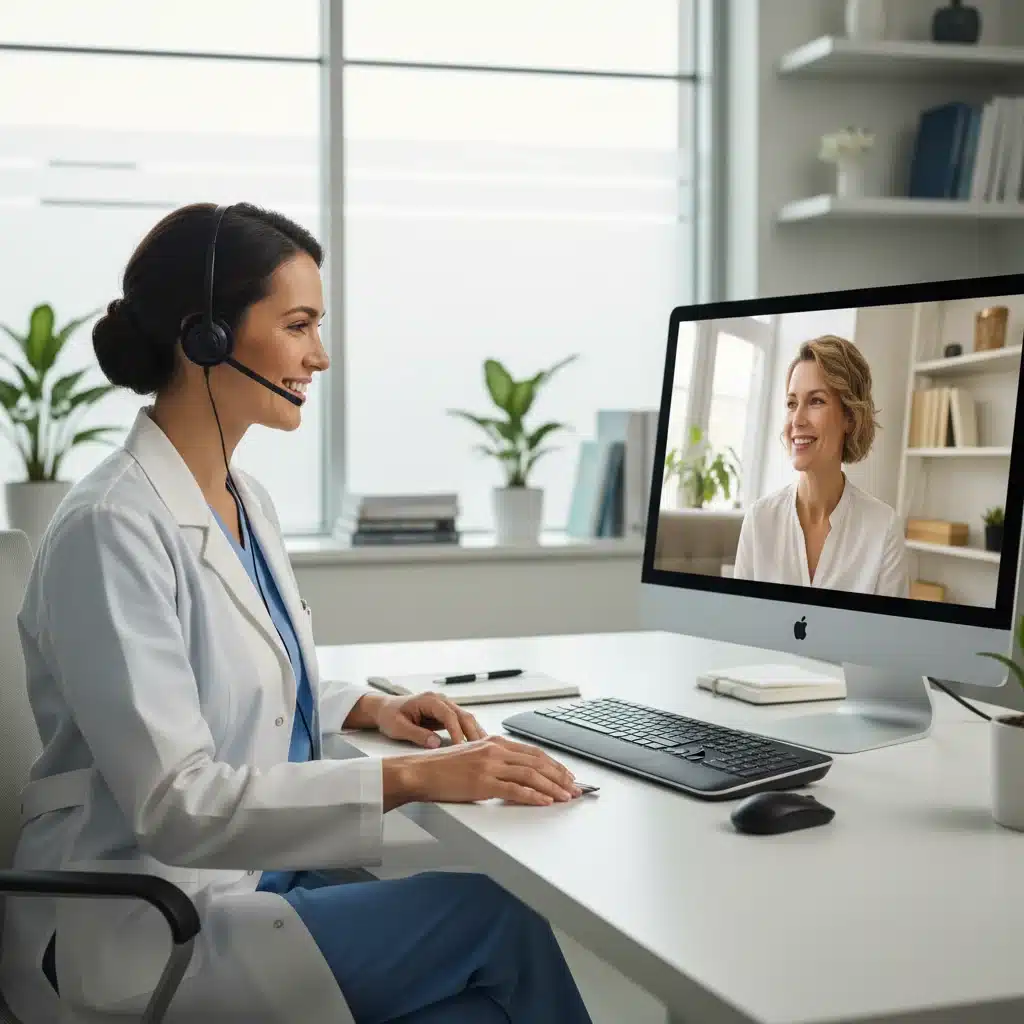
The COVID-19 pandemic dramatically accelerated the adoption of telehealth, transforming it from a niche service into a mainstream mode of care delivery. By 2026, proficiency in telehealth and virtual care will be a foundational digital health skill for almost all US practitioners. This goes beyond simply knowing how to operate video conferencing software; it encompasses a holistic understanding of virtual patient management.
What Telehealth Proficiency Entails:
- Platform Navigation: Expertise in various telehealth platforms, understanding their features, limitations, and security protocols.
- Virtual Consultation Etiquette: Mastering communication techniques specific to a virtual environment, including maintaining eye contact with the camera, ensuring a professional background, and actively engaging patients without physical cues.
- Remote Assessment Techniques: Developing skills to effectively assess patients remotely, interpreting verbal descriptions, and guiding patients through self-examinations or vital sign measurements using connected devices.
- Patient Engagement in a Virtual Setting: Strategies to build rapport, ensure patient understanding, and encourage adherence to treatment plans in a virtual context.
- Regulatory and Reimbursement Knowledge: Staying updated on the evolving legal and reimbursement policies surrounding telehealth at both federal and state levels.
- Troubleshooting Basic Technical Issues: The ability to quickly resolve common technical glitches that may arise during a virtual visit, minimizing disruption to patient care.
Why it’s Crucial by 2026:
Telehealth offers unparalleled access to care, particularly for patients in rural areas, those with mobility issues, or individuals seeking specialized services. It also improves efficiency by reducing travel time and wait times. As hybrid care models become the norm, practitioners who can seamlessly integrate virtual and in-person care will be highly valued. This digital health skill allows for continuity of care, better chronic disease management, and a more patient-centric approach to healthcare delivery.
Skill 2: Health Informatics and Data Literacy
Healthcare generates an enormous volume of data, from EHRs and imaging scans to genomic information and wearable device outputs. The ability to understand, interpret, and leverage this data – known as health informatics and data literacy – is a critical digital health skill for every practitioner. This isn’t just for data scientists; it’s for every clinician who needs to make informed decisions.
Components of Health Informatics and Data Literacy:
- EHR Proficiency: Beyond basic data entry, understanding how to navigate complex EHR systems, extract relevant patient information, and utilize their advanced features for decision support.
- Data Interpretation: The ability to critically evaluate health data, identify trends, recognize anomalies, and understand the implications of various metrics for patient care.
- Understanding Data Privacy and Security: A deep understanding of HIPAA regulations and other data privacy laws, ensuring the secure handling and transmission of sensitive patient information.
- Basic Statistical Concepts: Familiarity with fundamental statistical principles to evaluate research, understand clinical trial results, and interpret population health data.
- Using Data for Quality Improvement: Applying data insights to identify areas for improvement in clinical practice, patient safety, and operational efficiency.
- Interoperability Concepts: Understanding how different health information systems communicate and the challenges and benefits of seamless data exchange.
Why it’s Crucial by 2026:
Data-driven medicine is the future. Practitioners proficient in health informatics can personalize treatment plans, predict disease outbreaks, optimize resource allocation, and contribute to evidence-based practice. This digital health skill allows for a proactive rather than reactive approach to healthcare, moving towards precision medicine and population health management. Without strong data literacy, practitioners risk being overwhelmed by information and unable to fully leverage the power of digital tools for patient benefit.
Skill 3: AI and Machine Learning Application
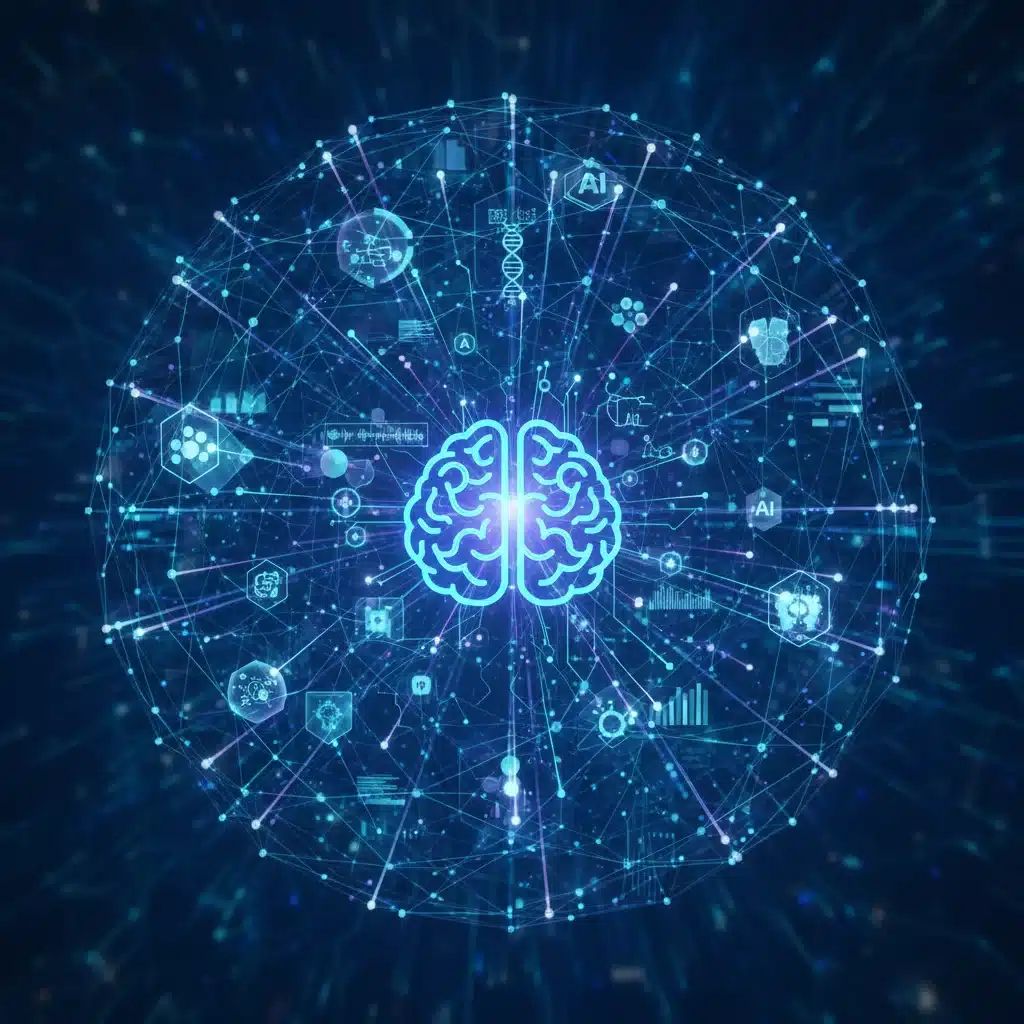
Artificial intelligence (AI) and machine learning (ML) are rapidly moving from research labs into clinical practice. From AI-powered diagnostic tools to predictive analytics for patient deterioration, these technologies are set to revolutionize healthcare. Practitioners don’t need to become AI developers, but they must understand how to effectively apply and interpret AI/ML outputs in their daily work. This is a rapidly evolving digital health skill.
Key Aspects of AI/ML Application for Practitioners:
- Understanding AI Capabilities and Limitations: Knowing what AI can and cannot do, understanding its biases, and recognizing when its recommendations might be flawed or require human oversight.
- Interpreting AI-Generated Insights: The ability to critically evaluate AI-derived diagnoses, risk scores, and treatment recommendations, integrating them with clinical judgment.
- Ethical Considerations of AI: Awareness of the ethical implications of using AI in healthcare, including issues of fairness, transparency, and accountability.
- Leveraging AI for Workflow Optimization: Utilizing AI-powered tools for administrative tasks, clinical documentation, and intelligent scheduling to free up time for direct patient care.
- Staying Updated on AI Advancements: Keeping abreast of new AI applications and understanding their potential impact on their specific field of practice.
- Collaborating with AI Systems: Developing a collaborative mindset where AI acts as a powerful assistant, augmenting human capabilities rather than replacing them.
Why it’s Crucial by 2026:
AI will increasingly support decision-making, enhance diagnostic accuracy, and personalize treatment. Practitioners who can effectively integrate AI into their practice will deliver more precise, efficient, and potentially life-saving care. This digital health skill will enable practitioners to leverage advanced computational power to solve complex clinical problems, improve patient safety, and manage large patient populations more effectively. It’s about augmenting human intelligence with artificial intelligence to achieve superior outcomes.
Skill 4: Digital Therapeutics and Wearable Technology Integration
Digital therapeutics (DTx) are evidence-based therapeutic interventions delivered through software programs to prevent, manage, or treat a medical disorder or disease. Coupled with the explosion of wearable health technology, practitioners need to understand how to prescribe, monitor, and integrate these digital tools into patient care plans. This is a hands-on digital health skill.
What Digital Therapeutics and Wearable Integration Involves:
- Understanding DTx Products: Knowledge of FDA-approved or clinically validated digital therapeutic applications for various conditions (e.g., diabetes management, mental health, substance use disorder).
- Prescribing and Monitoring DTx: The ability to confidently recommend and prescribe appropriate DTx, and then monitor patient engagement and outcomes through associated dashboards.
- Interpreting Wearable Data: Understanding the data generated by smartwatches, fitness trackers, continuous glucose monitors, and other wearables, and integrating this data into clinical decision-making.
- Patient Education on Digital Tools: Guiding patients on how to use digital therapeutics and wearable devices effectively, addressing privacy concerns, and troubleshooting common issues.
- Integrating Data into EHRs: Knowledge of how data from DTx and wearables can be securely and meaningfully integrated into existing EHR systems.
- Evaluating Effectiveness: The ability to assess the real-world effectiveness of these digital tools for individual patients and make adjustments to care plans as needed.
Why it’s Crucial by 2026:
DTx and wearables offer powerful new avenues for continuous patient engagement, remote monitoring, and personalized interventions. They empower patients to take a more active role in managing their health outside the clinic walls. Practitioners skilled in integrating these tools can improve chronic disease management, enhance preventive care, and provide more continuous and proactive support. This digital health skill is pivotal for moving towards a truly patient-centered and preventive healthcare model, extending care beyond episodic visits.
Skill 5: Cybersecurity and Privacy Awareness
As healthcare becomes increasingly digital, the risk of cyberattacks and data breaches escalates. Protecting sensitive patient information is paramount, and every practitioner plays a role in maintaining cybersecurity and privacy. This isn’t just an IT department responsibility; it’s a fundamental digital health skill for everyone handling patient data.
Core Elements of Cybersecurity and Privacy Awareness:
- HIPAA Compliance: A thorough understanding of HIPAA rules and regulations regarding the protection of Protected Health Information (PHI).
- Recognizing Phishing and Social Engineering: The ability to identify common cyber threats like phishing emails, ransomware, and social engineering attempts.
- Strong Password Practices: Adherence to best practices for creating and managing strong, unique passwords for all healthcare systems.
- Secure Device Usage: Understanding how to securely use personal and work devices, including proper handling of mobile phones, tablets, and laptops.
- Data Handling Protocols: Knowledge of secure procedures for sharing, storing, and disposing of patient data, both digital and physical.
- Incident Response Awareness: Knowing the appropriate steps to take in the event of a suspected security breach or privacy violation.
- Patient Education on Privacy: Being able to effectively communicate with patients about how their data is protected and address their privacy concerns.
Why it’s Crucial by 2026:
A single data breach can have devastating consequences, including financial penalties, reputational damage, and, most importantly, a loss of patient trust. Practitioners who are vigilant about cybersecurity and privacy act as the first line of defense, safeguarding patient data and ensuring the integrity of the healthcare system. This digital health skill is non-negotiable in an era where digital threats are sophisticated and ever-present. It underpins the trust essential for the successful adoption of all other digital health innovations.
Developing Your Digital Health Skills: A Roadmap for Practitioners
Acquiring these digital health skills is an ongoing journey, not a one-time event. Healthcare professionals must commit to continuous learning and adaptation. Here’s a roadmap for how US practitioners can develop these essential competencies:
1. Embrace Continuous Learning:
- Formal Education: Consider pursuing certifications or graduate programs in health informatics, digital health, or medical technology. Many universities now offer specialized courses.
- Online Courses and Webinars: Platforms like Coursera, edX, and specialized medical education providers offer numerous courses on telehealth, AI in healthcare, data analytics, and cybersecurity.
- Professional Organizations: Engage with organizations like the American Medical Informatics Association (AMIA) or the Healthcare Information and Management Systems Society (HIMSS) for resources, conferences, and networking opportunities.
2. Seek Practical Experience:
- Pilot Programs: Volunteer to participate in pilot programs for new digital health tools within your institution.
- Mentorship: Seek out colleagues who are already proficient in digital health and learn from their experiences.
- Shadowing Opportunities: If possible, shadow practitioners who are actively using advanced digital tools in their practice.
3. Advocate for Training and Resources:
- Institutional Support: Encourage your healthcare organization to invest in comprehensive training programs and provide access to the necessary digital tools and infrastructure.
- Peer-to-Peer Learning: Organize or participate in internal workshops and knowledge-sharing sessions with colleagues.
4. Stay Informed:
- Follow Industry News: Regularly read reputable medical and technology publications, journals, and blogs that cover digital health innovations.
- Attend Conferences: Participate in digital health conferences and expos to learn about emerging technologies and best practices.
5. Cultivate a Digital-First Mindset:
- Openness to Change: Be open to adopting new technologies and challenging traditional ways of doing things.
- Critical Thinking: Develop the ability to critically evaluate new digital tools and their potential impact on patient care and workflows.
Challenges and Opportunities on the Path to Digital Proficiency
While the benefits of mastering digital health skills are clear, practitioners and healthcare systems face several challenges:
- Time Constraints: Busy schedules often leave little room for dedicated training.
- Cost of Training: Specialized training can be expensive, and not all institutions provide adequate funding.
- Technological Gaps: Disparities in access to technology and reliable internet can hinder adoption.
- Resistance to Change: Some practitioners may be hesitant to embrace new technologies, preferring established methods.
- Interoperability Issues: The lack of seamless communication between different digital systems can create inefficiencies.
However, these challenges also present significant opportunities. Investing in robust digital health education can lead to a more resilient, efficient, and patient-centered healthcare system. It fosters innovation, improves job satisfaction for practitioners through reduced administrative burden, and ultimately leads to better health outcomes for the US population.
Conclusion: A Digitally Empowered Future for US Healthcare
The trajectory of healthcare in the US is undeniably digital. By 2026, practitioners who have proactively developed essential digital health skills such as telehealth proficiency, health informatics literacy, AI application knowledge, digital therapeutics integration, and robust cybersecurity awareness will be at the forefront of delivering high-quality, efficient, and patient-centered care. This transformation is not merely about adapting to new tools; it’s about redefining the very essence of medical practice in the 21st century. The investment in these skills today will yield immense dividends in the form of improved patient outcomes, enhanced operational efficiencies, and a more resilient and forward-thinking healthcare workforce for the future.
Embracing this digital evolution is not just a professional advantage; it’s a commitment to the highest standards of patient care in an increasingly interconnected world. The future of health is digital, and the future of healthcare practitioners must be digitally empowered.
Author