FDA Regulations and MedTech Profit Margins 2026: A Deep Dive
Anúncios
The Financial Impact of New FDA Regulations on US MedTech Profit Margins: An Analysis for 2026
Anúncios
Anúncios
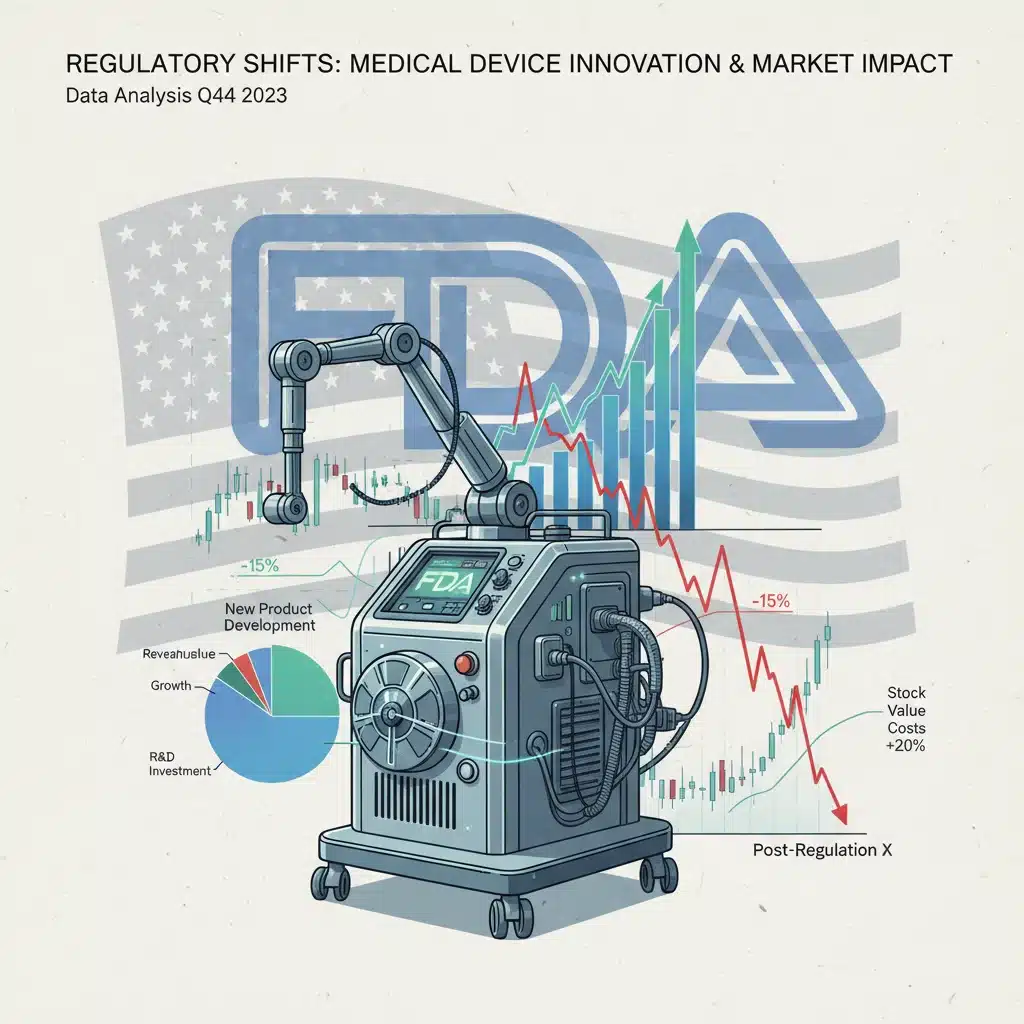
The United States MedTech industry, a cornerstone of global healthcare innovation, stands at a pivotal juncture. As we approach 2026, a series of new and evolving Food and Drug Administration (FDA) regulations are poised to significantly reshape the operational landscape and, critically, impact MedTech Profit Margins. This comprehensive analysis delves into the multifaceted financial implications of these regulatory shifts, offering insights for stakeholders navigating this complex environment.
Understanding the Evolving Regulatory Landscape
The FDA’s primary mission is to protect public health by ensuring the safety, efficacy, and security of human and veterinary drugs, biological products, and medical devices. While this mandate is unwavering, the mechanisms through which it is achieved are constantly refined. Recent years have seen an increased focus on areas such as cybersecurity for medical devices, real-world evidence (RWE) in regulatory submissions, enhanced post-market surveillance, and the integration of artificial intelligence (AI) and machine learning (ML) in medical technologies. These advancements, while beneficial for patient outcomes, introduce new layers of complexity and cost for manufacturers, directly influencing MedTech Profit Margins.
For instance, the FDA’s proposed guidance on ‘Cybersecurity in Medical Devices: Quality System Considerations and Content of Premarket Submissions’ mandates more rigorous cybersecurity controls throughout a device’s lifecycle. This isn’t merely a software update; it requires a fundamental shift in design, development, and maintenance protocols, demanding significant investment in specialized personnel, infrastructure, and ongoing monitoring. Similarly, the push for RWE in regulatory decisions, while offering potential for faster approvals and more tailored treatments, necessitates robust data collection, analysis, and validation frameworks, often requiring new partnerships and technological capabilities.
The impact of these regulations is not uniform. Smaller MedTech companies, with fewer resources, may find it particularly challenging to absorb the increased compliance costs, potentially leading to market consolidation or barriers to entry for innovative startups. Larger corporations, while better equipped financially, will need to strategically reallocate resources and optimize their regulatory affairs departments to maintain healthy MedTech Profit Margins.
Key Regulatory Drivers for 2026
- Cybersecurity Mandates: Enhanced requirements for device security, including pre-market submission content and post-market management plans.
- AI/ML Integration: Specific guidance for AI/ML-enabled medical devices, focusing on transparency, bias mitigation, and continuous learning validation.
- Real-World Evidence (RWE): Greater emphasis on RWE for regulatory decisions, impacting clinical trial design and post-market surveillance strategies.
- Supply Chain Resiliency: Increased scrutiny on supply chain robustness and transparency, especially in the wake of global disruptions.
- Environmental, Social, and Governance (ESG) Considerations: Though not directly FDA mandates, growing pressure for sustainable practices can influence device design and manufacturing, indirectly affecting costs.
Direct Financial Impacts on MedTech Profit Margins
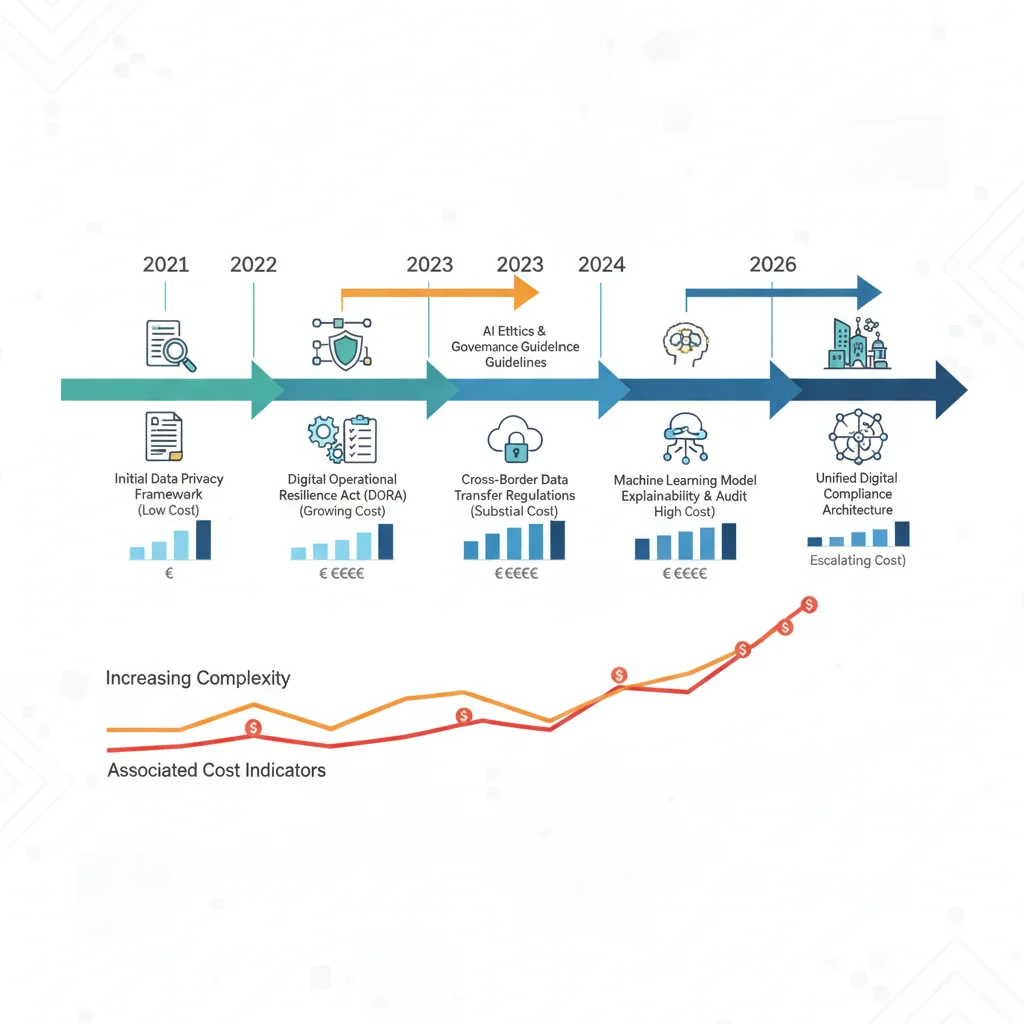
The most immediate and tangible effect of new FDA regulations is the escalation of compliance costs. These costs manifest in various forms, directly eroding MedTech Profit Margins if not effectively managed.
Increased Research and Development (R&D) Expenditures
To meet new regulatory requirements, MedTech companies must often invest more in R&D. This includes developing more secure software architectures, incorporating advanced data analytics capabilities for RWE, and designing devices with enhanced supply chain traceability. The iterative nature of regulatory compliance means that R&D is not a one-time expense but an ongoing commitment. Furthermore, the need for specialized expertise in areas like cybersecurity and AI ethics can drive up personnel costs, impacting the overall R&D budget.
Elevated Clinical Trial Costs
The demand for more robust clinical data, including RWE, can extend the duration and complexity of clinical trials. Longer trials mean higher operational costs, increased patient recruitment expenses, and prolonged time-to-market. While RWE promises efficiency, its initial implementation requires significant investment in data infrastructure and analytical capabilities. These added expenses directly challenge the maintenance of strong MedTech Profit Margins.
Post-Market Surveillance and Compliance
Regulatory oversight doesn’t end with device approval. New FDA regulations are increasingly emphasizing rigorous post-market surveillance. This includes active monitoring for cybersecurity vulnerabilities, tracking device performance in real-world settings, and rapidly addressing any safety concerns. Establishing and maintaining these systems requires continuous investment in technology, personnel, and processes, adding to operational overheads and potentially reducing profitability.
Operational and Manufacturing Adjustments
Manufacturing processes may need to be re-engineered to comply with new regulations, such as those related to supply chain transparency or environmental impact. This can involve retooling facilities, implementing new quality control measures, and training staff, all of which incur significant costs. The cost of non-compliance, including recalls, fines, and reputational damage, far outweighs the cost of proactive adherence, but the latter still puts pressure on MedTech Profit Margins.
Indirect Financial Impacts and Market Dynamics
Beyond direct compliance costs, new FDA regulations exert indirect pressures on MedTech Profit Margins through shifts in market dynamics and competitive landscapes.
Time-to-Market Delays
More stringent regulatory hurdles can prolong the time it takes for new devices to reach the market. Delays mean deferred revenue generation and a shorter patent life for innovative products, reducing the window for companies to recoup R&D investments and establish market dominance. In a fast-evolving sector like MedTech, being first to market can be a significant competitive advantage, and regulatory delays can erode this edge, impacting future MedTech Profit Margins.
Increased Barriers to Entry
For startups and smaller innovators, the rising cost and complexity of regulatory compliance can act as a significant barrier to entry. This may lead to a more consolidated market dominated by larger players who possess the necessary financial and regulatory expertise. While consolidation can offer stability, it can also stifle innovation if smaller, agile companies are unable to bring novel solutions to market due to regulatory burdens.
Competitive Disadvantage for Non-Compliant Firms
Companies that fail to adapt to new regulations risk not only penalties but also losing market share to compliant competitors. Healthcare providers and purchasers are increasingly scrutinizing regulatory adherence and product safety, making compliance a competitive differentiator. A strong regulatory track record can enhance brand reputation and market trust, indirectly bolstering MedTech Profit Margins.
Impact on Pricing Strategies
The increased costs associated with regulatory compliance may force MedTech companies to re-evaluate their pricing strategies. While some costs can be passed on to consumers or healthcare systems, there is a limit to price elasticity in a cost-sensitive healthcare environment. Companies will need to carefully balance the need to cover increased expenses with market acceptance and competitive pricing, a delicate act that directly influences MedTech Profit Margins.
Strategic Responses to Safeguard MedTech Profit Margins
Given the inevitable impact of new FDA regulations, MedTech companies must adopt proactive and strategic approaches to mitigate negative effects and even identify new opportunities to protect and enhance their MedTech Profit Margins.
Early Engagement and Proactive Planning
Companies that engage early with regulatory bodies and stay abreast of upcoming changes are better positioned to integrate compliance requirements into their product development cycles from the outset. This ‘design for compliance’ approach can significantly reduce retrospective remediation costs. Establishing a dedicated regulatory intelligence function can provide valuable foresight, allowing for strategic resource allocation and minimizing surprises.
Investment in Digital Transformation and Automation
Leveraging digital tools, such as AI-powered regulatory intelligence platforms, automated quality management systems, and advanced data analytics for RWE, can streamline compliance processes and reduce manual labor. Automation can enhance efficiency, improve data accuracy, and accelerate time-to-market, thereby positively influencing MedTech Profit Margins. Investing in robust cybersecurity infrastructure from the ground up, rather than as an afterthought, is also crucial.
Strategic Partnerships and Acquisitions
Collaborating with specialized regulatory consulting firms, cybersecurity experts, or data analytics providers can help companies navigate complex regulatory landscapes without building extensive in-house capabilities from scratch. For smaller companies, strategic partnerships with larger players or even acquisitions can provide access to essential resources and expertise, enabling them to meet regulatory demands and sustain their MedTech Profit Margins.
Optimizing Supply Chain Management
Building resilient and transparent supply chains is not just a regulatory requirement but also a strategic imperative. Diversifying suppliers, implementing robust traceability systems, and leveraging technology for real-time monitoring can reduce risks, prevent disruptions, and ensure continuity of operations. A well-managed supply chain can lead to cost efficiencies and improved reliability, indirectly supporting MedTech Profit Margins.
Focus on Value-Based Care and Outcomes
As healthcare shifts towards value-based care models, MedTech companies that can demonstrate the superior clinical and economic value of their devices will be better positioned to justify higher pricing and secure market access. Regulations that emphasize RWE can actually be an opportunity here, allowing companies to scientifically prove the long-term benefits of their products. This focus on outcomes can help maintain or even improve MedTech Profit Margins by aligning with evolving payer and provider priorities.

Case Studies and Future Outlook
While specific examples for 2026 are still emerging, historical precedents offer valuable lessons. The introduction of the EU’s Medical Device Regulation (MDR) led to significant compliance costs and, in some cases, product withdrawals for companies unprepared for its stringent requirements. Companies that proactively invested in regulatory affairs and quality management systems were better able to navigate the transition and maintain their market position and, crucially, their MedTech Profit Margins.
Looking ahead to 2026, the MedTech industry will likely see a continued trend towards greater regulatory scrutiny and a demand for more comprehensive data. The convergence of medical devices with digital health, AI, and advanced analytics means that regulatory frameworks will become increasingly complex, requiring interdisciplinary expertise. Companies that embrace these changes as opportunities for innovation and competitive differentiation, rather than solely as burdens, will be the ones that thrive.
The financial health of the MedTech sector is intrinsically linked to its ability to innovate responsibly and comply effectively with regulatory standards. Companies that can master the art of integrating regulatory compliance into their core business strategy will not only safeguard their MedTech Profit Margins but also cement their position as leaders in advancing healthcare technology.
Conclusion: Navigating the Future of MedTech Profitability
The landscape for US MedTech companies in 2026 will undoubtedly be shaped by the intricacies of new FDA regulations. The financial impact on MedTech Profit Margins is significant, driven by increased compliance costs in R&D, clinical trials, post-market surveillance, and operational adjustments. However, these challenges also present opportunities for strategic innovation and competitive advantage.
Companies that adopt a proactive, integrated approach to regulatory compliance, invest in digital transformation, forge strategic partnerships, and focus on delivering demonstrable value will be best equipped to navigate this evolving environment. By doing so, they can mitigate the negative impacts on profitability and instead leverage regulatory changes to foster innovation, enhance patient safety, and secure sustainable MedTech Profit Margins in the years to come. The future of MedTech profitability hinges on a delicate balance between groundbreaking innovation and unwavering regulatory adherence, a balance that the most successful companies will master.
Author