Wearable Health Devices: US Market Growth & Future Projections

In an era defined by rapid technological advancements and an increasing focus on personal well-being, wearable health devices have emerged as a transformative force. These ingenious gadgets, ranging from smartwatches and fitness trackers to more specialized medical sensors, are not just accessories; they are becoming indispensable tools for managing and enhancing our health. The United States market, in particular, is witnessing an unprecedented surge in their adoption, signaling a profound shift in how individuals approach their health. Recent data reveals that US market penetration for these devices reached an impressive 25% in 2025, with projections indicating a further leap to 40% by the end of 2026. This isn’t merely a trend; it’s a revolution in personal health management, driven by innovation, convenience, and a growing desire for proactive wellness.
The rise of wearable health devices is fundamentally altering the landscape of healthcare. No longer are health metrics confined to doctor’s offices or sporadic check-ups. Instead, individuals are empowered with continuous, real-time data about their bodies, enabling them to make informed decisions, track progress, and even detect potential health issues earlier than ever before. This article delves deep into the factors fueling this explosive growth, explores the diverse range of devices available, examines their impact on user behavior and healthcare systems, and casts an eye towards the exciting future of this burgeoning sector.
The Driving Forces Behind the Wearable Health Device Boom
Several interconnected factors are propelling the remarkable growth of wearable health devices in the US market. Understanding these drivers is key to appreciating the trajectory and long-term potential of this technology.
Increased Health Consciousness and Preventative Care
The COVID-19 pandemic catalyzed a global re-evaluation of health priorities. There’s a heightened awareness of personal well-being and a stronger emphasis on preventative care. Consumers are actively seeking ways to monitor their health, understand their bodies better, and take proactive steps to prevent illness. Wearable health devices perfectly align with this shift, offering accessible tools for self-monitoring and health optimization.
Technological Advancements and Miniaturization
The relentless pace of technological innovation has led to smaller, more powerful, and more accurate sensors. Modern wearables can track an impressive array of metrics, including heart rate, sleep patterns, activity levels, blood oxygen saturation, skin temperature, and even ECG readings. These advancements, coupled with improved battery life and seamless connectivity, make these devices increasingly appealing and functional for everyday use. The integration of artificial intelligence (AI) and machine learning (ML) further enhances their capabilities, providing personalized insights and predictive analytics.
Growing Accessibility and Affordability
As the market matures, wearable health devices have become more diverse in price points, making them accessible to a broader demographic. While premium smartwatches offer a wealth of features, more affordable fitness trackers provide essential monitoring for budget-conscious consumers. This expanded accessibility is crucial for widespread adoption and contributes significantly to the increasing market penetration.
Integration with Digital Health Ecosystems
The utility of wearable devices is amplified by their ability to integrate with existing digital health ecosystems. Data collected by wearables can often be synced with smartphone apps, electronic health records (EHRs), and even shared with healthcare providers. This seamless integration facilitates a more holistic view of an individual’s health, enabling better communication between patients and doctors and supporting telehealth initiatives.
Chronic Disease Management
For individuals managing chronic conditions such as diabetes, hypertension, or heart disease, wearable health devices offer invaluable support. Continuous monitoring of vital signs and activity levels can help patients adhere to treatment plans, identify anomalies, and provide critical data to their healthcare teams. This aspect alone represents a significant driver for adoption, particularly among older populations and those with specific medical needs.
A Deep Dive into the Types of Wearable Health Devices
The category of wearable health devices is incredibly diverse, encompassing a wide array of form factors and functionalities. Here’s a look at some of the most prominent types:
1. Smartwatches and Fitness Trackers
These are perhaps the most popular and recognizable forms of wearables. Smartwatches offer a broad spectrum of features, often including heart rate monitoring, ECG capabilities, blood oxygen tracking, sleep analysis, and advanced fitness tracking. Fitness trackers, while generally more focused on activity and sleep, provide essential data for a healthy lifestyle. Both categories encourage users to set goals, monitor progress, and engage in healthier habits.
2. Smart Rings
Offering a more discreet approach to health monitoring, smart rings pack advanced sensors into a small, elegant form factor. They typically track sleep quality, heart rate variability, body temperature, and activity levels. Their unobtrusive nature makes them appealing to users who prefer not to wear a watch or want continuous monitoring without a screen.
3. Continuous Glucose Monitors (CGMs)
Revolutionizing diabetes management, CGMs are small, disposable sensors worn on the skin that continuously measure glucose levels in interstitial fluid. This technology eliminates the need for frequent finger-prick tests, providing real-time data that helps individuals with diabetes manage their condition more effectively and prevent dangerous fluctuations in blood sugar. The growing prevalence of diabetes is a key factor in the adoption of these specialized wearable health devices.
4. Smart Patches and Biosensors
These adhesive devices are designed for short-term or long-term monitoring of specific physiological parameters. They can track vital signs, body temperature, hydration levels, and even detect certain biomarkers. Smart patches are particularly valuable in clinical settings for remote patient monitoring and for individuals requiring continuous, precise data collection without bulky equipment.
5. Smart Apparel and Footwear
Integrated sensors within clothing and shoes are emerging as another frontier for wearable health. Smart shirts can monitor ECG and respiration, while smart shoes can analyze gait, balance, and running form. This category offers highly integrated and often more comfortable ways to collect biometric data, especially during physical activity.
Impact on Personal Health and Well-being
The widespread adoption of wearable health devices is having a profound and multifaceted impact on individual health and well-being. This impact extends beyond mere data collection, influencing behavior, engagement, and even clinical outcomes.
Empowering Proactive Health Management
By providing immediate access to personal health data, wearables empower individuals to become more active participants in their own healthcare. Users can track their progress towards fitness goals, identify patterns in sleep or stress levels, and make lifestyle adjustments based on objective data. This shift from reactive to proactive health management is a cornerstone of modern wellness.
Enhancing Fitness and Activity Levels
Perhaps the most well-known benefit of wearable health devices is their ability to motivate physical activity. Features like step counters, calorie tracking, and exercise reminders encourage users to move more and achieve their fitness targets. The gamification of fitness, often integrated into companion apps, further boosts engagement and adherence to exercise routines.
Improving Sleep Quality
Poor sleep is a pervasive issue, impacting countless aspects of health. Wearables with advanced sleep tracking capabilities monitor sleep stages (light, deep, REM), sleep duration, and disturbances. Armed with this data, users can identify habits that hinder good sleep and implement strategies to improve their rest, leading to better cognitive function, mood, and overall health.
Early Detection of Health Issues
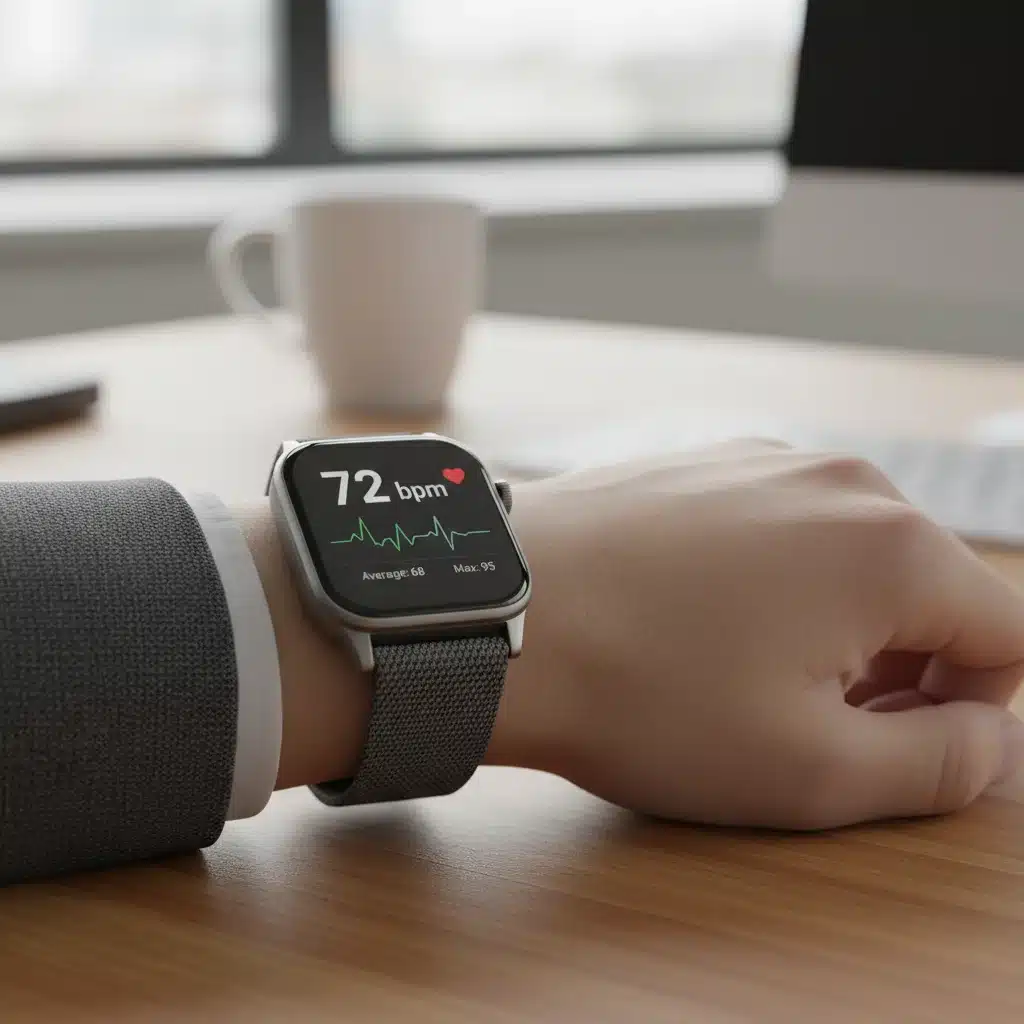
The continuous monitoring capabilities of some wearable health devices can play a crucial role in the early detection of potential health problems. For instance, smartwatches with ECG functionality can alert users to irregular heart rhythms (like atrial fibrillation), prompting them to seek medical attention. Variations in skin temperature or heart rate variability can sometimes indicate the onset of illness, allowing for earlier intervention.
Mental Health Support
While not their primary function, some wearables are incorporating features that indirectly support mental health. Stress tracking, guided breathing exercises, and sleep quality insights can help users manage stress and improve overall mental well-being. The growing integration of biometric data with mental health apps further expands their potential in this area.
The Impact on the Healthcare System
The growing adoption of wearable health devices is not only changing individual health habits but also reshaping the broader healthcare system. Their influence spans remote patient monitoring, data-driven diagnostics, and even preventative medicine.
Facilitating Remote Patient Monitoring (RPM)
RPM is one of the most significant contributions of wearables to modern healthcare. For patients with chronic conditions, post-operative care, or those living in remote areas, wearables enable healthcare providers to continuously monitor vital signs and other health metrics without requiring frequent in-person visits. This not only improves patient convenience but also reduces healthcare costs and provides more timely interventions.
Enhancing Clinical Research and Data Collection
The sheer volume of real-world data generated by millions of wearable health devices presents an invaluable resource for clinical research. Researchers can leverage this data to study disease progression, evaluate treatment efficacy, and gain deeper insights into population health trends, accelerating medical discoveries and improving public health strategies.
Personalized Medicine and Predictive Analytics
The continuous, granular data from wearables feeds into the vision of personalized medicine. By understanding an individual’s unique physiological responses, healthcare providers can tailor treatment plans and preventative strategies more effectively. Predictive analytics, powered by AI and machine learning, can analyze wearable data to identify individuals at higher risk for certain conditions, enabling proactive interventions.
Challenges and Considerations for Healthcare Integration
Despite the immense potential, integrating wearable health devices into mainstream healthcare faces challenges. These include ensuring data accuracy and reliability, addressing privacy and security concerns, developing standardized protocols for data sharing, and overcoming regulatory hurdles. Furthermore, healthcare professionals need training to effectively interpret and utilize the vast amounts of data generated by these devices.
The Future of Wearable Health Devices: 2026 and Beyond
The projected growth to 40% US market penetration by the end of 2026 is just a stepping stone. The future of wearable health devices promises even more sophisticated capabilities and deeper integration into our daily lives.
Advanced Sensor Technology
Expect to see even more advanced and non-invasive sensors. Research is ongoing into wearables that can monitor blood pressure without cuffs, detect glucose levels through sweat, analyze hydration, and even track neurological activity. The goal is to make health monitoring as effortless and invisible as possible.
Hyper-Personalization and AI Integration
The role of artificial intelligence will continue to expand. Future wearables will offer hyper-personalized health insights, predictive alerts for potential health risks, and intelligent coaching tailored to individual needs and goals. AI will move beyond simply presenting data to actively helping users understand and act upon it.
Seamless Integration with IoT and Smart Homes
Wearable health devices will become more interconnected with the broader Internet of Things (IoT) ecosystem. Imagine your wearable communicating with your smart home to adjust lighting for optimal sleep, regulate room temperature based on your body temperature, or even suggest meal plans based on your activity and health data. This seamless integration will create a truly ambient health experience.
Increased Clinical Validation and Medical-Grade Devices
As the technology matures, there will be a greater emphasis on clinical validation and the development of more medical-grade wearables. These devices will undergo rigorous testing and regulatory approval, allowing them to be prescribed by doctors for specific diagnostic and monitoring purposes, blurring the lines between consumer electronics and medical devices.
Focus on Mental Wellness and Stress Management
While physical health has been the primary focus, future wearables will increasingly incorporate advanced features for mental wellness. This could include biofeedback mechanisms, real-time stress level detection, and personalized interventions to promote relaxation and cognitive well-being. The holistic view of health will become paramount.

Addressing Concerns: Data Privacy and Accuracy
As wearable health devices become more ubiquitous, critical concerns around data privacy, security, and accuracy must be addressed. The collection of highly sensitive personal health information necessitates robust safeguards to prevent unauthorized access and misuse. Companies developing these devices are under increasing pressure to implement strong encryption, adhere to data protection regulations (like HIPAA in the US), and provide transparent policies regarding data usage.
Furthermore, the accuracy of data generated by consumer-grade wearables is a continuous area of improvement. While many devices offer impressive precision, it’s crucial for users to understand their limitations and for manufacturers to clearly communicate the intended use of their products. For medical-grade applications, stringent regulatory oversight ensures the highest levels of accuracy and reliability.
Conclusion: A Healthier Future, Worn on Your Wrist
The trajectory of wearable health devices in the US market is undeniably upward, with significant growth projected through 2026 and beyond. This isn’t just about selling more gadgets; it’s about fundamentally changing the relationship individuals have with their health. By empowering users with continuous data, fostering proactive health management, and facilitating seamless integration with healthcare systems, these devices are paving the way for a healthier, more informed future.
From preventing chronic diseases to optimizing athletic performance and supporting mental well-being, the capabilities of wearables continue to expand. While challenges related to data privacy and accuracy remain, the industry is actively working to address these, ensuring that the benefits of this technology can be realized responsibly. As we move closer to 2026, the vision of a truly personalized, preventative, and accessible healthcare experience, driven by the data we wear, is rapidly becoming a reality. The future of health is literally at our fingertips, or more accurately, on our wrists, fingers, and even within our clothing.
The innovation spotlight shining on wearable health devices is not just illuminating a niche market; it’s revealing the path to a healthier, more connected world. As these devices become an even more integral part of our daily lives, their impact on public health and individual well-being will only continue to deepen, ushering in an era where health management is truly personal and perpetually ongoing.