Healthcare Ransomware Surge: Federal Response to 30% Increase in Q4 2025
Anúncios
Healthcare Ransomware Surge: Federal Response to 30% Increase in Q4 2025
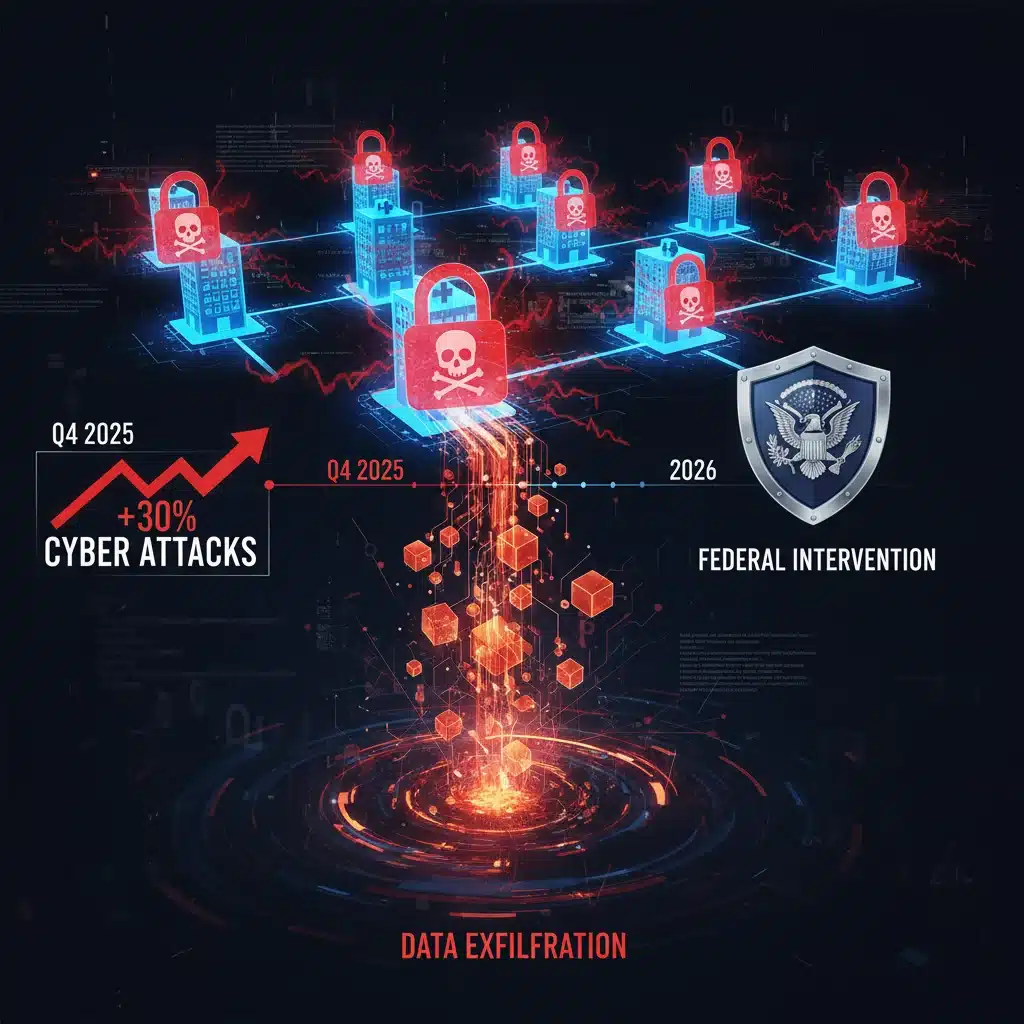
The healthcare sector, a cornerstone of societal well-being and a repository of highly sensitive personal data, has always been a prime target for cybercriminals. However, the last three months of 2025 witnessed an alarming and unprecedented escalation in cyberattacks, specifically ransomware. A staggering 30% increase in ransomware attacks during this period sent shockwaves through the industry, prompting an urgent and comprehensive federal response in 2026. This significant healthcare ransomware surge has not only disrupted critical patient care services but has also exposed profound vulnerabilities within the digital infrastructure of healthcare organizations across the nation. Understanding the scope of this crisis, its underlying causes, and the multifaceted federal strategies being deployed is crucial for safeguarding the future of healthcare delivery and patient data integrity.
Anúncios
Anúncios
The impact of this healthcare ransomware surge extends far beyond financial losses. It jeopardizes patient safety, compromises the confidentiality of medical records, and erodes public trust in healthcare providers. The federal government’s swift action underscores the severity of the situation, recognizing that a resilient healthcare cybersecurity posture is not merely an IT concern but a matter of national security and public health. This article delves into the anatomy of this surge, the factors contributing to healthcare’s heightened vulnerability, the immediate and long-term consequences, and the details of the robust federal response designed to mitigate future threats and strengthen the sector’s defenses against the ever-evolving landscape of cyber warfare.
The Alarming Rise: A 30% Increase in Q4 2025
The final quarter of 2025 will forever be etched in the annals of cybersecurity history as a period of intense pressure and unprecedented challenges for the healthcare industry. Data compiled from various cybersecurity intelligence firms, government agencies, and healthcare organizations themselves paints a grim picture: a 30% spike in successful ransomware attacks compared to the preceding quarter. This dramatic increase signals a sophisticated and coordinated effort by threat actors to exploit the unique vulnerabilities present within the healthcare ecosystem.
Several factors contributed to this concerning trend. Firstly, the holiday season, often a time when staffing levels are reduced and vigilance may wane, provided an opportune window for attackers. Secondly, the increasing reliance on interconnected digital systems, including Electronic Health Records (EHRs), telehealth platforms, and Internet of Medical Things (IoMT) devices, expanded the attack surface significantly. Each new point of connectivity, while enhancing efficiency and patient care, also introduced a potential entry point for malicious actors. Thirdly, the financial incentive for ransomware groups targeting healthcare remains exceptionally high, given the critical nature of the data and services. Hospitals, unable to afford downtime that could jeopardize patient lives, are often compelled to pay ransoms, inadvertently fueling the ransomware economy.
The types of organizations affected by this healthcare ransomware surge were diverse, ranging from large hospital systems and academic medical centers to small rural clinics and specialized care facilities. This indiscriminate targeting highlights the broad reach and adaptability of modern ransomware campaigns. The attacks often involved double extortion tactics, where not only was data encrypted and held for ransom, but it was also exfiltrated with threats of public release if the ransom was not paid. This added layer of pressure significantly complicated incident response efforts and heightened the risk of sensitive patient information falling into the wrong hands.
Why Healthcare Remains a Prime Target for Ransomware
The healthcare industry’s appeal to ransomware operators is multifaceted, making it a persistently attractive target. Understanding these intrinsic vulnerabilities is key to developing effective defense strategies against the ongoing healthcare ransomware surge.
- Criticality of Services: Unlike many other sectors, downtime in healthcare can directly lead to life-threatening situations. Hospitals cannot afford to have their systems offline for extended periods, making them more likely to pay ransoms quickly to restore operations and patient care. This creates a powerful incentive for attackers.
- Wealth of Sensitive Data: Healthcare organizations possess a treasure trove of Protected Health Information (PHI), including medical histories, financial details, and personally identifiable information. This data is highly valuable on the dark web for identity theft, medical fraud, and other illicit activities, commanding higher prices than credit card numbers alone.
- Legacy Systems and Technical Debt: Many healthcare facilities operate with aging IT infrastructure and legacy systems that are difficult to update, patch, or secure effectively. The cost and complexity of upgrading these systems often lead to deferrals, leaving critical vulnerabilities exposed.
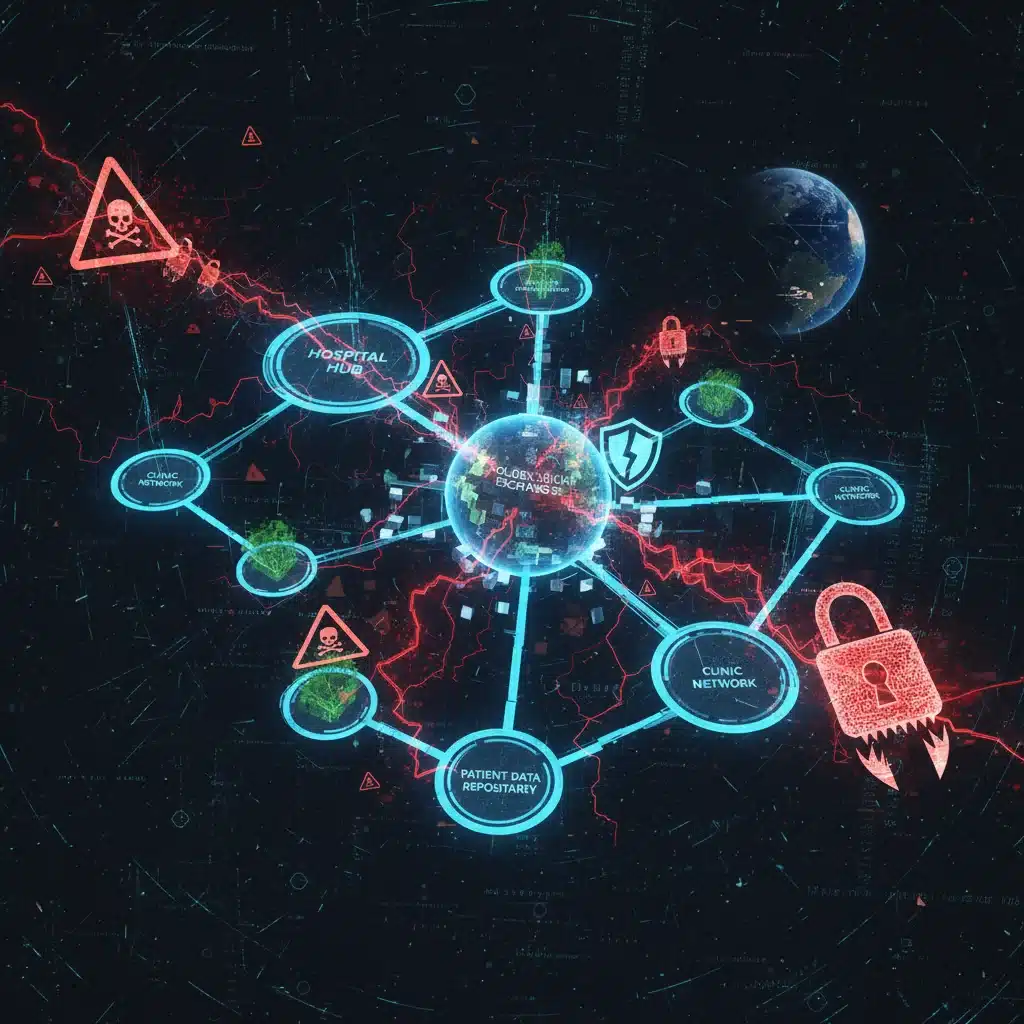
- Interconnectedness and Supply Chain Risks: The modern healthcare ecosystem is highly interconnected, relying on a vast network of third-party vendors, medical device manufacturers, and cloud service providers. A vulnerability in one link of this supply chain can be exploited to gain access to multiple healthcare organizations, amplifying the potential impact of a healthcare ransomware surge.
- Human Element Vulnerabilities: Healthcare professionals, while dedicated to patient care, are often busy and may not receive adequate cybersecurity training. Phishing attacks, social engineering, and accidental clicks on malicious links remain significant entry vectors for ransomware.
- Resource Constraints: Many healthcare organizations, particularly smaller ones, face budget constraints that limit their ability to invest in robust cybersecurity tools, skilled personnel, and comprehensive training programs. This leaves them disproportionately vulnerable to sophisticated attacks.
- Rapid Digital Transformation: The accelerated adoption of digital technologies, including telehealth and cloud-based services, while beneficial, has also introduced new security challenges. The pace of this transformation often outstrips the ability to implement commensurate security measures, creating gaps that threat actors are quick to exploit.
Immediate Consequences of the 2025 Healthcare Ransomware Surge
The immediate fallout from the 2025 healthcare ransomware surge was severe and far-reaching, impacting every facet of healthcare delivery and patient well-being. These consequences underscore the urgent need for robust cybersecurity defenses and a coordinated response.
- Disruption of Patient Care: Perhaps the most critical consequence was the widespread disruption of patient care. Hospitals were forced to divert ambulances, cancel non-emergency surgeries and appointments, and revert to paper-based record-keeping. This not only caused immense inconvenience but also led to delays in critical diagnoses and treatments, potentially jeopardizing patient lives. In some cases, emergency rooms experienced significant slowdowns, creating dangerous bottlenecks.
- Data Breaches and Privacy Violations: Many ransomware attacks involved data exfiltration, meaning sensitive patient data was stolen before encryption. This led to significant data breaches, exposing millions of patient records to potential misuse, identity theft, and privacy violations. The reputational damage to affected organizations was immense, and the legal and financial liabilities stemming from these breaches are expected to be substantial.
- Financial Strain: Beyond the potential ransom payments, healthcare organizations faced enormous costs associated with incident response, system recovery, forensic investigations, legal fees, and regulatory fines. The average cost of a data breach in healthcare is already among the highest across all industries, and the 2025 surge undoubtedly pushed these figures even higher. Many smaller organizations struggled to absorb these costs, threatening their operational viability.
- Operational Chaos and Staff Burnout: The sudden shift to manual processes, coupled with the stress of a cyberattack, placed immense pressure on healthcare staff. Doctors, nurses, and administrative personnel had to navigate unfamiliar, inefficient workflows, leading to increased workload, frustration, and potential burnout. This operational chaos further strained an already overstretched workforce.
- Erosion of Trust: Public confidence in the ability of healthcare providers to protect sensitive medical information was severely shaken. Patients became increasingly concerned about the security of their personal health data, potentially leading to reluctance in sharing information, which could impact the quality of care.
- Supply Chain Disruptions: Ransomware attacks on third-party vendors within the healthcare supply chain also caused ripple effects. Disruptions to medical device manufacturers, pharmaceutical distributors, or billing services could impact the availability of critical supplies and services for hospitals, further exacerbating the crisis.
The Urgent Federal Response in 2026: A Multi-pronged Approach
Recognizing the national security implications and the direct threat to public health posed by the healthcare ransomware surge, the federal government initiated an urgent and comprehensive response in early 2026. This multi-pronged approach involves legislative, executive, and collaborative efforts aimed at bolstering the cybersecurity posture of the entire healthcare sector.
Legislative and Policy Initiatives:
- "Healthcare Cybersecurity Resilience Act of 2026": Congress fast-tracked legislation mandating minimum cybersecurity standards for all healthcare organizations receiving federal funding or participating in federal health programs. This includes requirements for regular risk assessments, multi-factor authentication, robust backup and recovery plans, and comprehensive incident response protocols.
- Increased Funding for Cybersecurity: Significant federal appropriations were allocated to support healthcare organizations in upgrading their IT infrastructure, acquiring advanced security tools, and training their staff. Special grants were made available for smaller and rural hospitals, which often lack the resources for robust cybersecurity investments.
- Enhanced Reporting Requirements: New regulations were implemented to streamline and expedite the reporting of cyber incidents to federal agencies like CISA (Cybersecurity and Infrastructure Security Agency) and HHS (Department of Health and Human Services). This allows for faster threat intelligence sharing and coordinated response efforts.
Executive Actions and Agency Collaboration:
- National Cybersecurity Task Force for Healthcare: The White House established a dedicated task force, bringing together experts from CISA, HHS, FBI, NSA, and other relevant agencies. This task force is charged with coordinating federal responses, developing threat intelligence, and providing direct support to affected organizations.
- Proactive Threat Hunting and Intelligence Sharing: Federal agencies intensified their efforts in proactive threat hunting, identifying potential vulnerabilities across the healthcare landscape, and sharing real-time threat intelligence with healthcare providers. This includes indicators of compromise (IOCs) and tactics, techniques, and procedures (TTPs) used by known ransomware groups.
- International Cooperation: The U.S. government stepped up collaboration with international partners to disrupt ransomware gangs operating across borders, including joint law enforcement operations and intelligence sharing to identify and apprehend threat actors.
- Supply Chain Security Initiatives: New guidelines and partnerships were forged to improve the cybersecurity of the healthcare supply chain, encouraging vendors to adopt stricter security practices and requiring greater transparency regarding their security postures.
Industry Partnerships and Capacity Building:
- Public-Private Information Sharing: Efforts were intensified to foster greater collaboration and information sharing between government agencies and private sector healthcare organizations. This includes secure platforms for sharing anonymized threat data and best practices.
- Workforce Development Programs: Federal initiatives were launched to address the critical shortage of cybersecurity professionals in healthcare. This includes funding for training programs, scholarships, and partnerships with educational institutions to develop a skilled workforce capable of defending against future attacks.
- Tabletop Exercises and Preparedness Drills: CISA and HHS began organizing regular tabletop exercises and preparedness drills for healthcare organizations, simulating ransomware attacks to test their incident response plans and identify areas for improvement.

Proactive Measures for Healthcare Organizations
While the federal response provides crucial support, healthcare organizations themselves bear a significant responsibility in fortifying their defenses against the ongoing healthcare ransomware surge. Proactive measures are paramount to building resilience and protecting patient data.
Strengthening Technical Controls:
- Multi-Factor Authentication (MFA): Implement MFA across all systems and applications, especially for remote access and privileged accounts. This significantly reduces the risk of unauthorized access even if credentials are stolen.
- Robust Backup and Recovery Strategy: Maintain immutable, offline, and geographically separated backups of all critical data. Regularly test recovery procedures to ensure data can be restored quickly and effectively after an attack.
- Endpoint Detection and Response (EDR)/Extended Detection and Response (XDR): Deploy advanced security solutions that can detect, prevent, and respond to sophisticated threats across endpoints, networks, and cloud environments.
- Network Segmentation: Segment networks to isolate critical systems and data. This limits the lateral movement of ransomware within the network, containing the damage of an attack.
- Patch Management: Implement a rigorous patch management program to ensure all operating systems, applications, and medical devices are updated with the latest security patches.
- Vulnerability Management: Conduct regular vulnerability scans and penetration tests to identify and remediate weaknesses in the IT infrastructure before attackers can exploit them.
- Email Security: Implement advanced email security solutions with anti-phishing, anti-malware, and spam filtering capabilities to block malicious emails, a primary vector for ransomware.
Enhancing Human Element Defenses:
- Comprehensive Cybersecurity Training: Conduct mandatory, regular, and engaging cybersecurity awareness training for all staff, from clinicians to administrative personnel. Training should cover phishing recognition, safe browsing habits, password hygiene, and incident reporting procedures.
- Simulated Phishing Campaigns: Regularly conduct simulated phishing campaigns to test employee vigilance and reinforce training. Provide immediate feedback and additional training for those who fall for simulations.
- Incident Response Plan (IRP): Develop and regularly update a comprehensive Incident Response Plan. This plan should clearly define roles, responsibilities, communication protocols, and steps to be taken before, during, and after a cybersecurity incident. Practice the IRP through tabletop exercises.
Strategic and Governance Best Practices:
- Risk Assessments: Conduct periodic, thorough cybersecurity risk assessments to identify and prioritize vulnerabilities and threats specific to the organization.
- Third-Party Risk Management: Implement robust processes for vetting and continuously monitoring the cybersecurity posture of all third-party vendors and business associates. Ensure contractual agreements include strong security clauses.
- Cybersecurity Leadership: Appoint a dedicated Chief Information Security Officer (CISO) or equivalent, with appropriate authority and resources, to oversee the organization’s cybersecurity strategy.
- Budget Allocation: Advocate for and secure adequate budget allocation for cybersecurity initiatives, recognizing it as a critical investment in patient safety and organizational resilience.
- Compliance and Regulatory Adherence: Ensure strict adherence to regulatory frameworks such as HIPAA, GDPR, and other relevant data protection laws, as these often align with good cybersecurity practices.
The Road Ahead: Building a Resilient Healthcare Future
The healthcare ransomware surge in late 2025 served as a stark reminder of the persistent and evolving threat landscape facing the sector. The urgent federal response in 2026, while comprehensive and necessary, is just the beginning of a long-term commitment to building a truly resilient healthcare cybersecurity infrastructure. This endeavor requires continuous vigilance, adaptive strategies, and unwavering collaboration between government, industry, and individual organizations.
The future of healthcare cybersecurity hinges on several critical pillars. Firstly, a culture of security must be ingrained at every level of a healthcare organization, from the boardroom to the front-line staff. Cybersecurity should no longer be viewed solely as an IT problem but as a shared responsibility that directly impacts patient care and safety. Secondly, investment in advanced technologies and skilled personnel must remain a top priority. As attackers become more sophisticated, so too must the defenses. This includes leveraging artificial intelligence and machine learning for threat detection, adopting zero-trust architectures, and continuously upskilling the cybersecurity workforce.
Thirdly, information sharing and collaboration must become the norm, not the exception. The federal government’s efforts to foster public-private partnerships and intelligence sharing platforms are vital, but healthcare organizations must actively participate, contributing to a collective defense. Sharing anonymized threat data, best practices, and lessons learned from incidents can significantly strengthen the entire sector.
Finally, legislative and regulatory frameworks must remain agile, adapting to the rapidly changing threat landscape. The "Healthcare Cybersecurity Resilience Act of 2026" is a strong step, but ongoing evaluation and refinement will be necessary to ensure its effectiveness. The goal is not just to react to the latest threat but to proactively anticipate and mitigate future risks, ensuring that healthcare systems can continue to deliver critical services without fear of debilitating cyberattacks.
The healthcare ransomware surge of 2025 was a wake-up call. The federal response and the heightened awareness across the industry offer a window of opportunity to fundamentally transform healthcare cybersecurity. By embracing a holistic, collaborative, and forward-looking approach, the healthcare sector can emerge stronger, more resilient, and better equipped to protect patient data and uphold its fundamental mission of healing and care in an increasingly digital world.
Author